Snapshots from IIT Madras, beyond the academics!

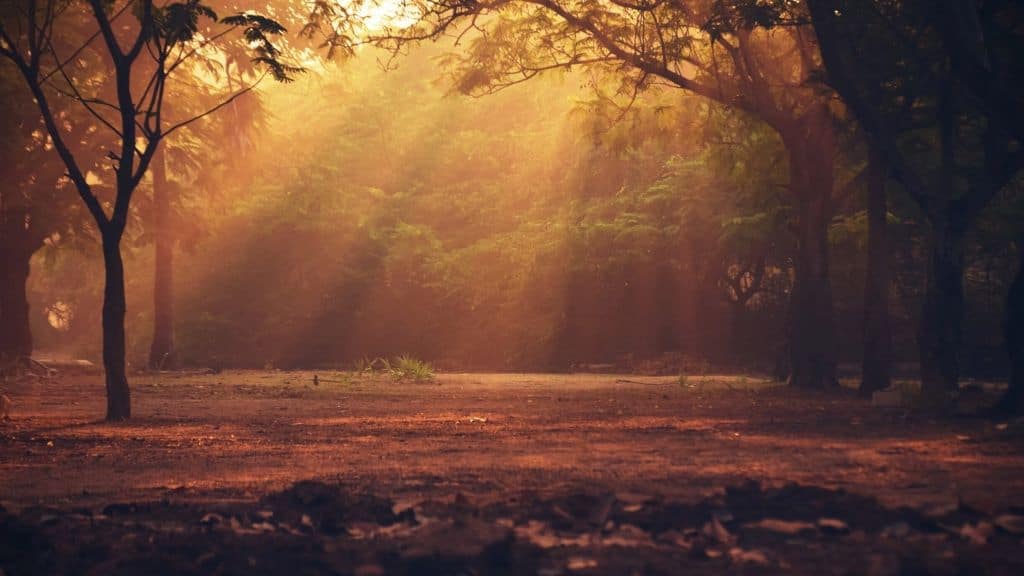
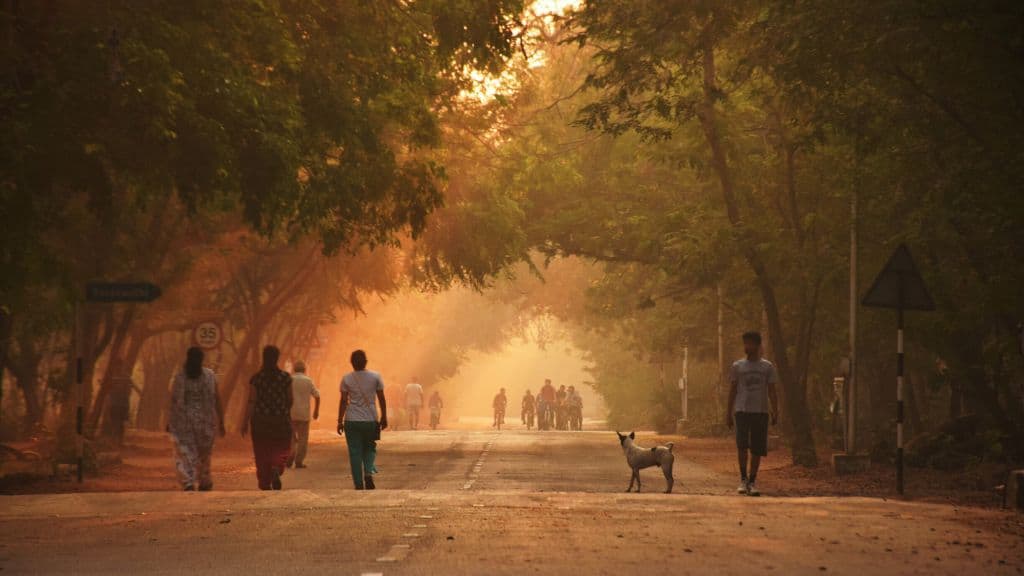
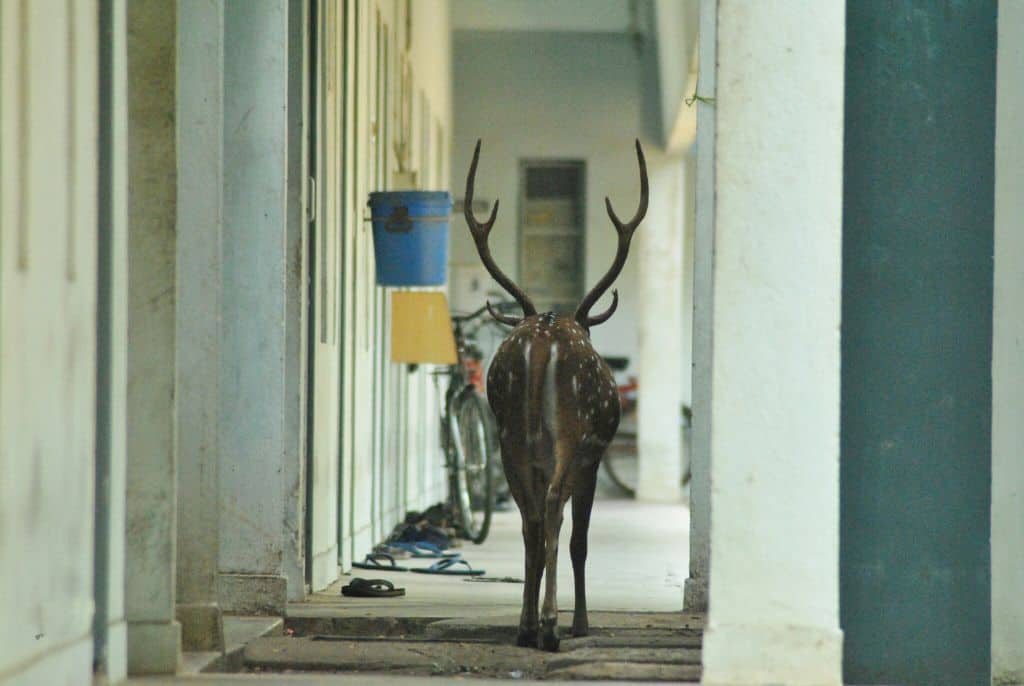
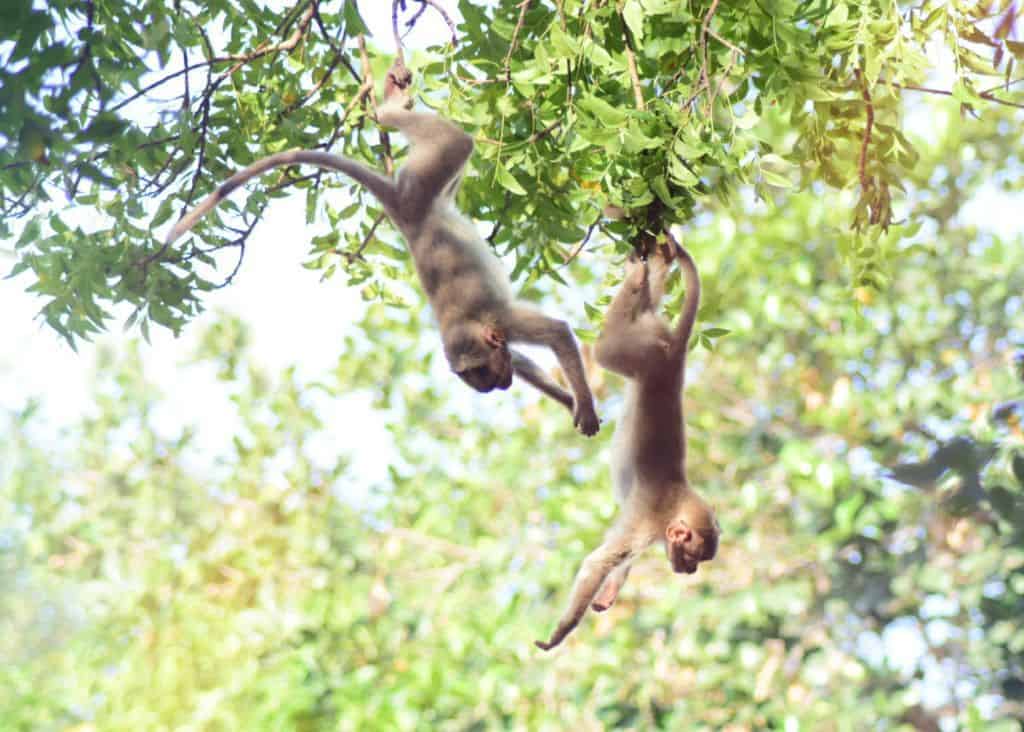
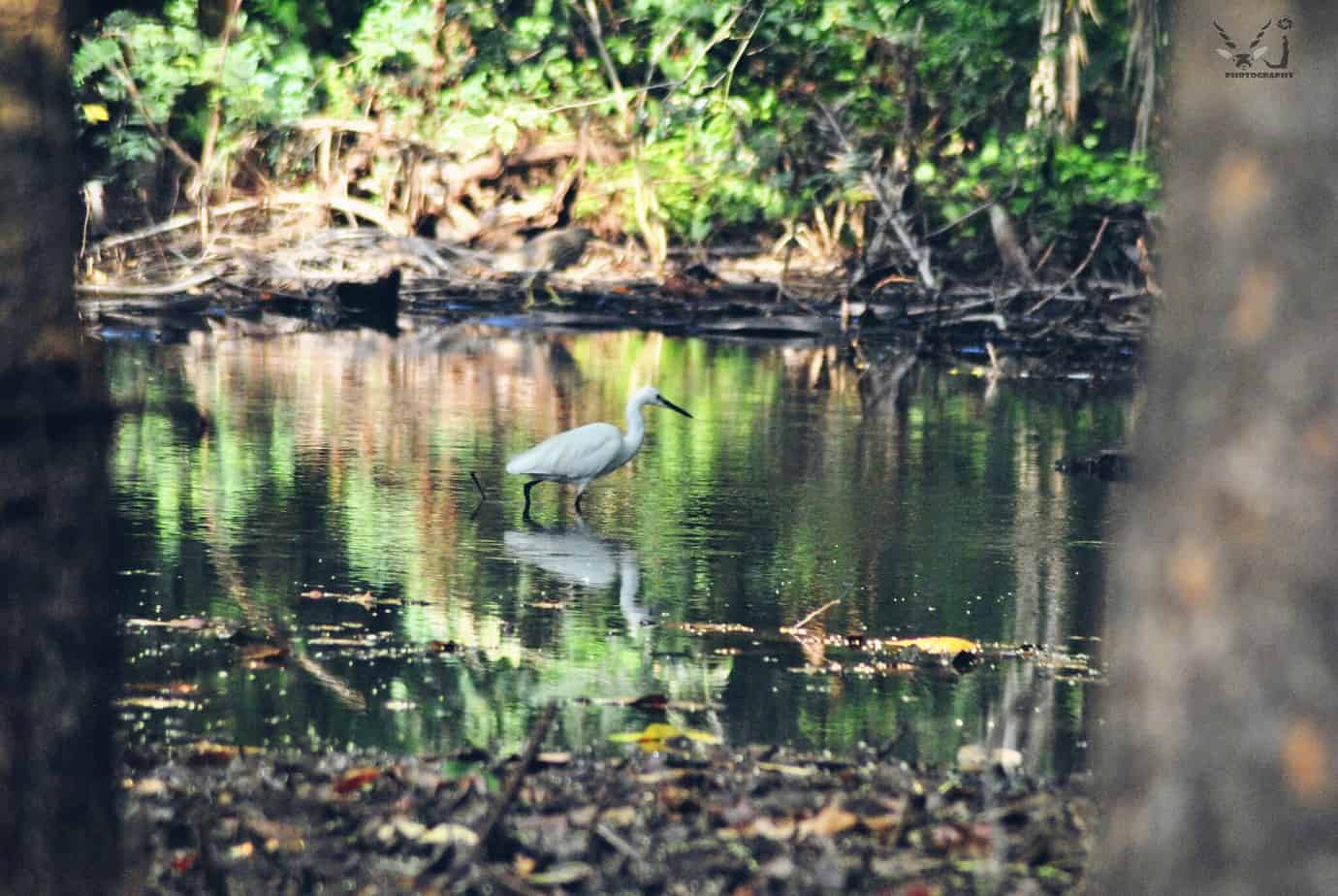
A scholar at IIT Madras captures through his lens the magical campus ecosystem that often goes unnoticed while thousands toil away within the concrete walls of its academic departments.

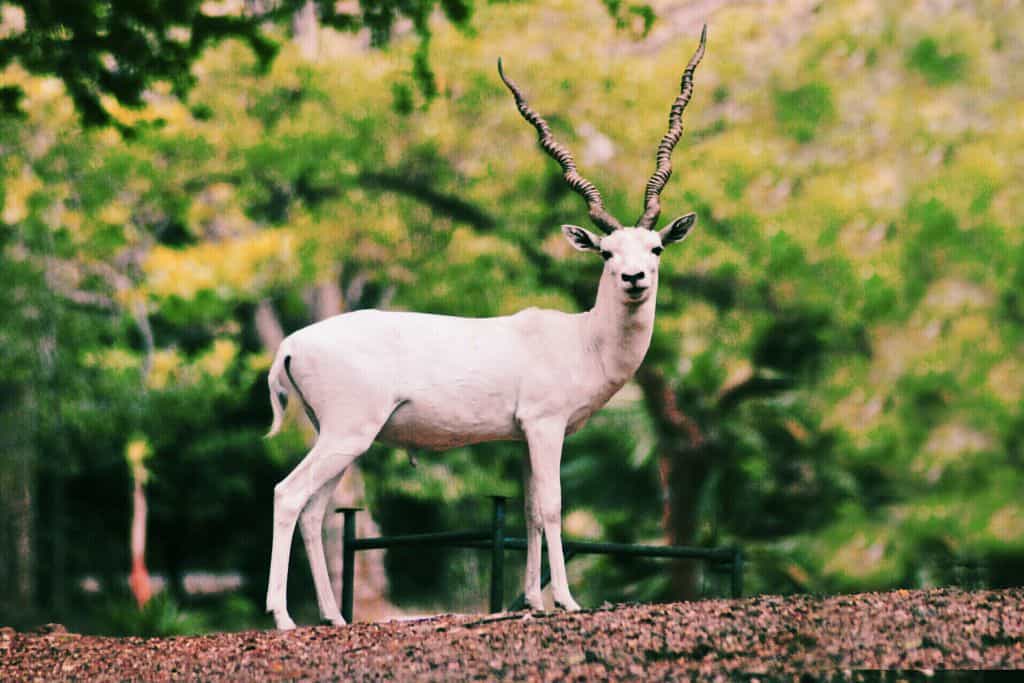
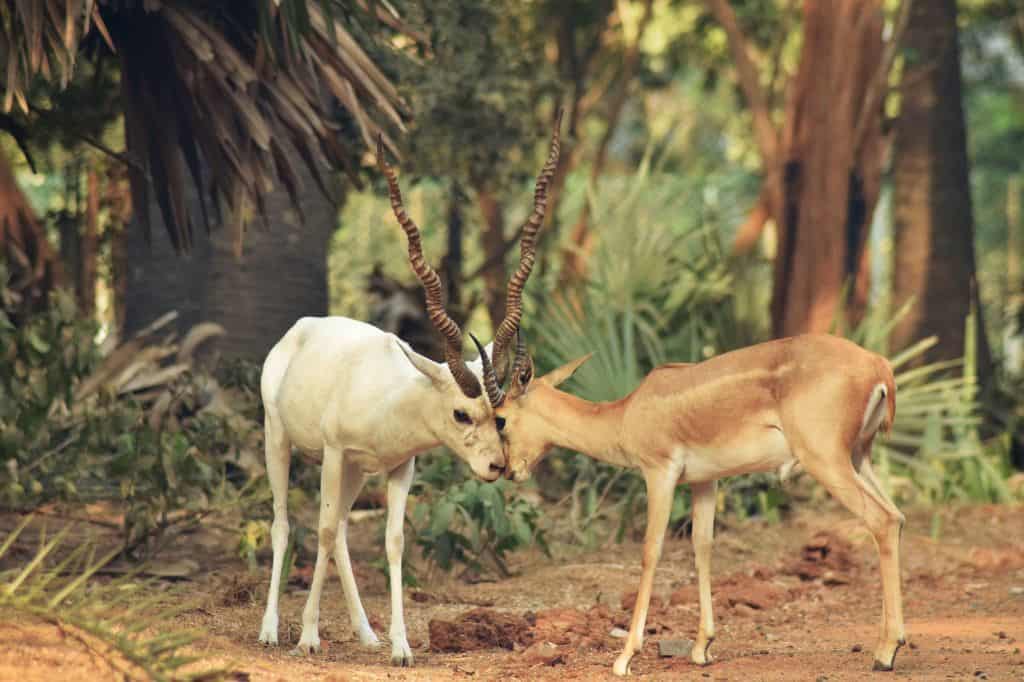
For most people, a college campus is a place where you go through very routine activities of study and research. However, when I entered the IIT Madras campus, I was awestruck at the flora and fauna that greeted me. I learnt in the days post admission that the campus was located in the grounds of a national park which meant that I would get to see even some endangered species. This motivated me to photograph all that I could and share it with people I knew.

What started off as a pastime quickly turned into my passion, especially as I realized that images don’t age. They are the perfect way to capture moments, especially those of creatures who cannot speak and are not as evolved as human beings, but whose actions nevetheless indicate a much deeper meaning.

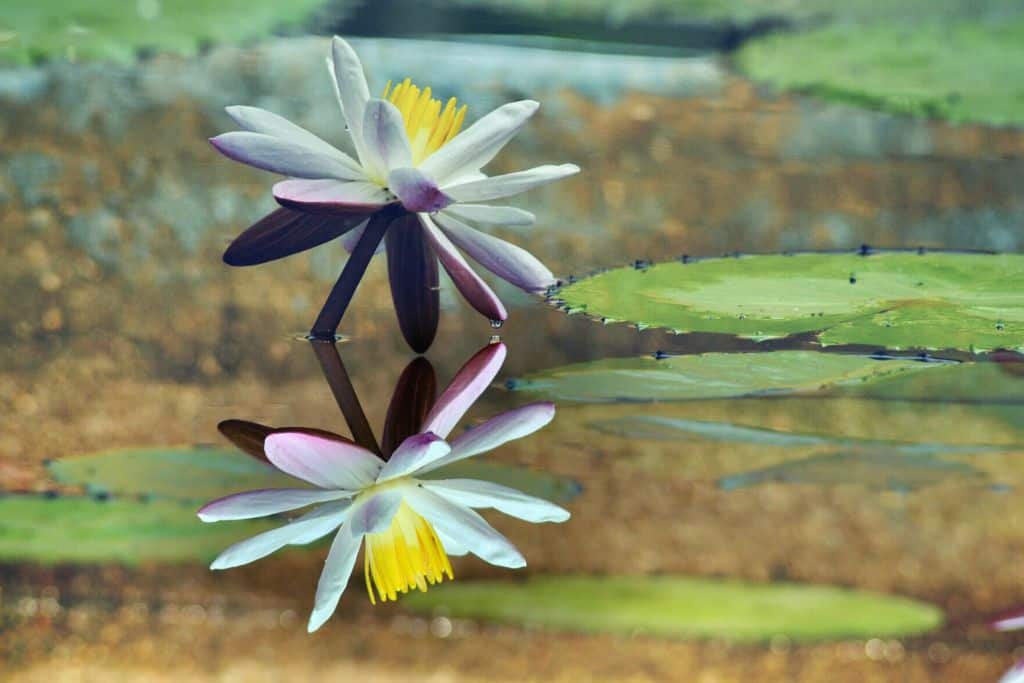
Photography helps me see the things that I wouldn’t normally notice. It also inspired me to bring to the notice of others all that existed around us, which is almost unique to the campus. From monkeys to blackbucks to the variety of birds and insects and also the wild flora , IIT-M boasts of glorious variety, but these creatures go unnoticed while thousands slog within the concrete walls of classrooms.

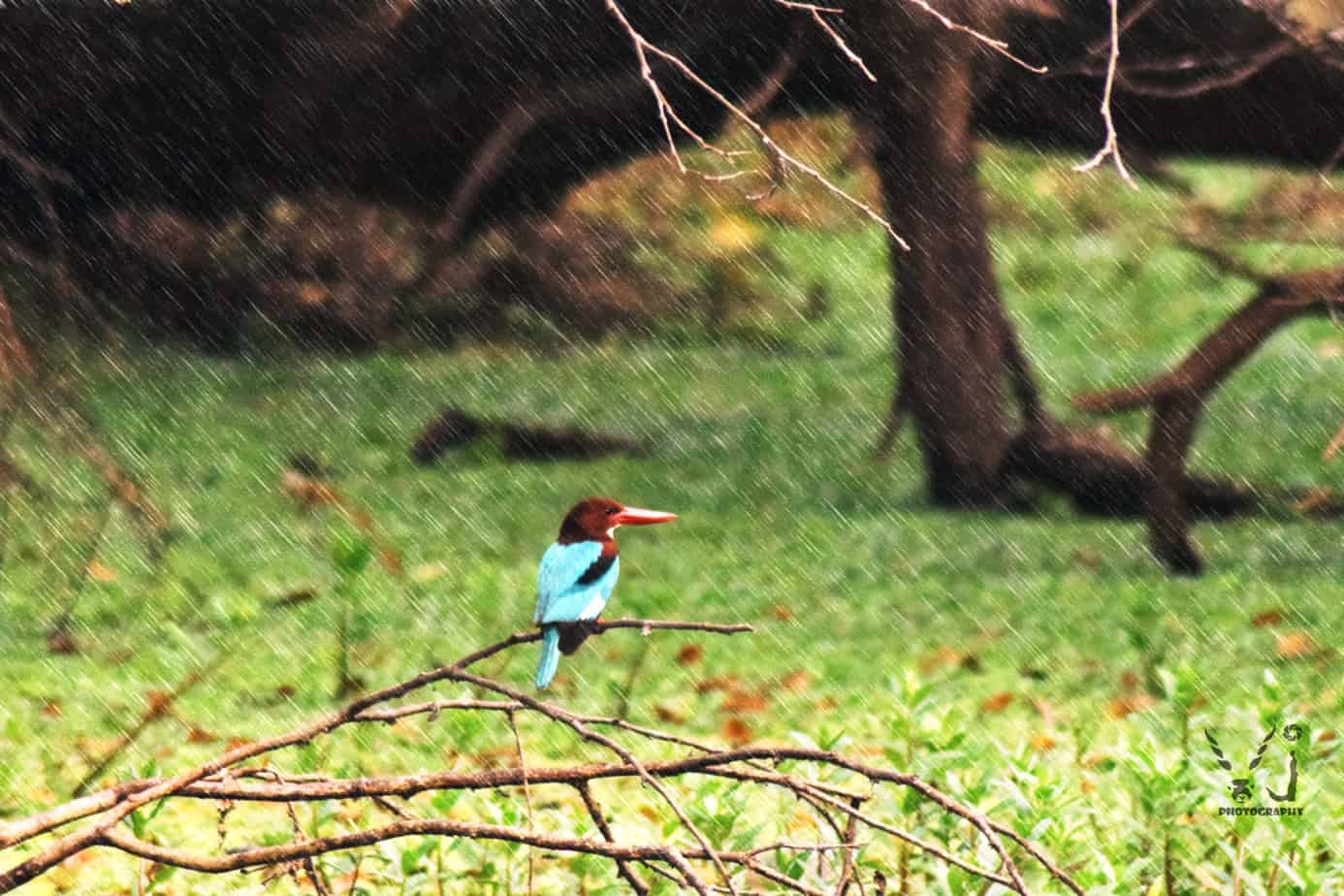
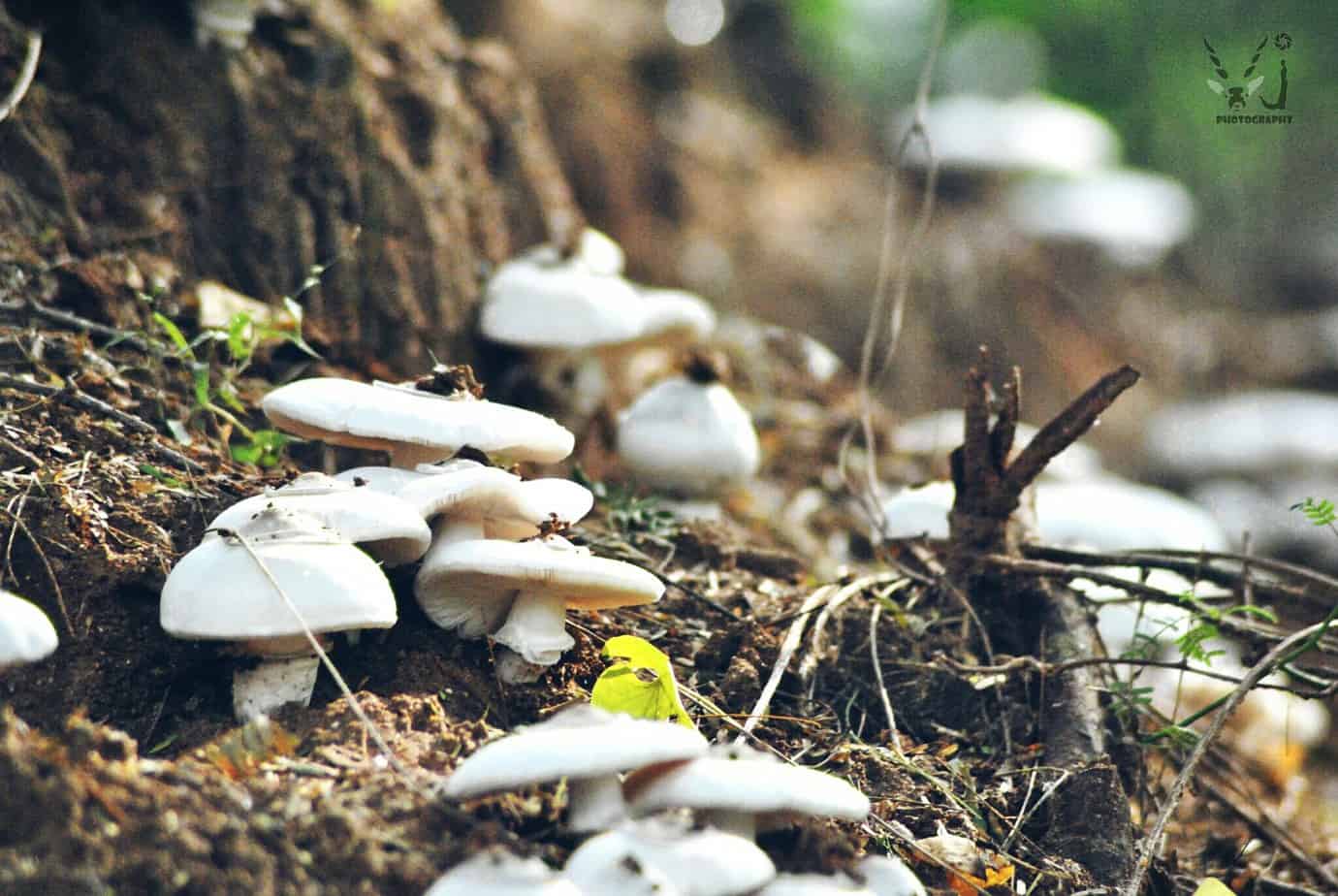
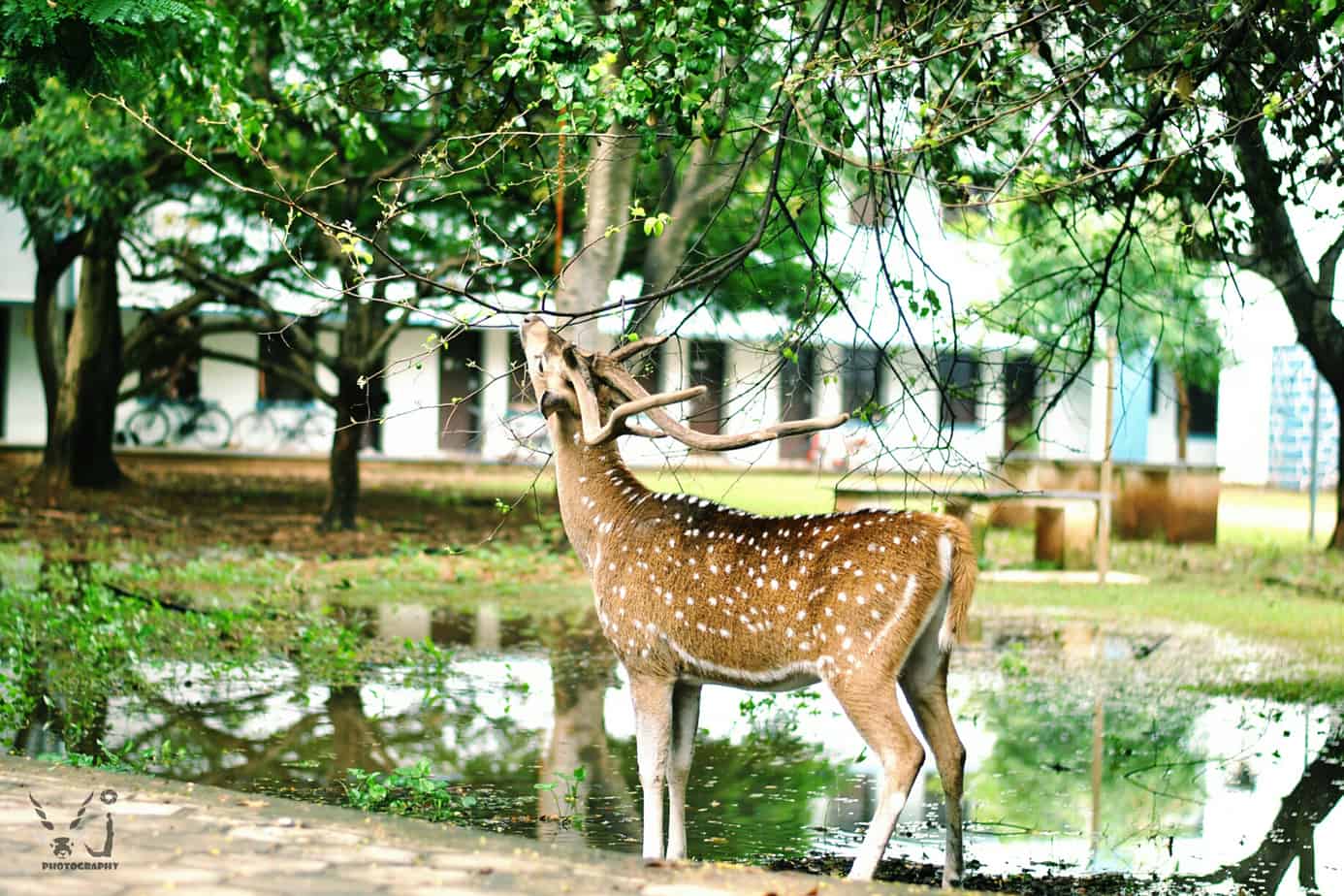
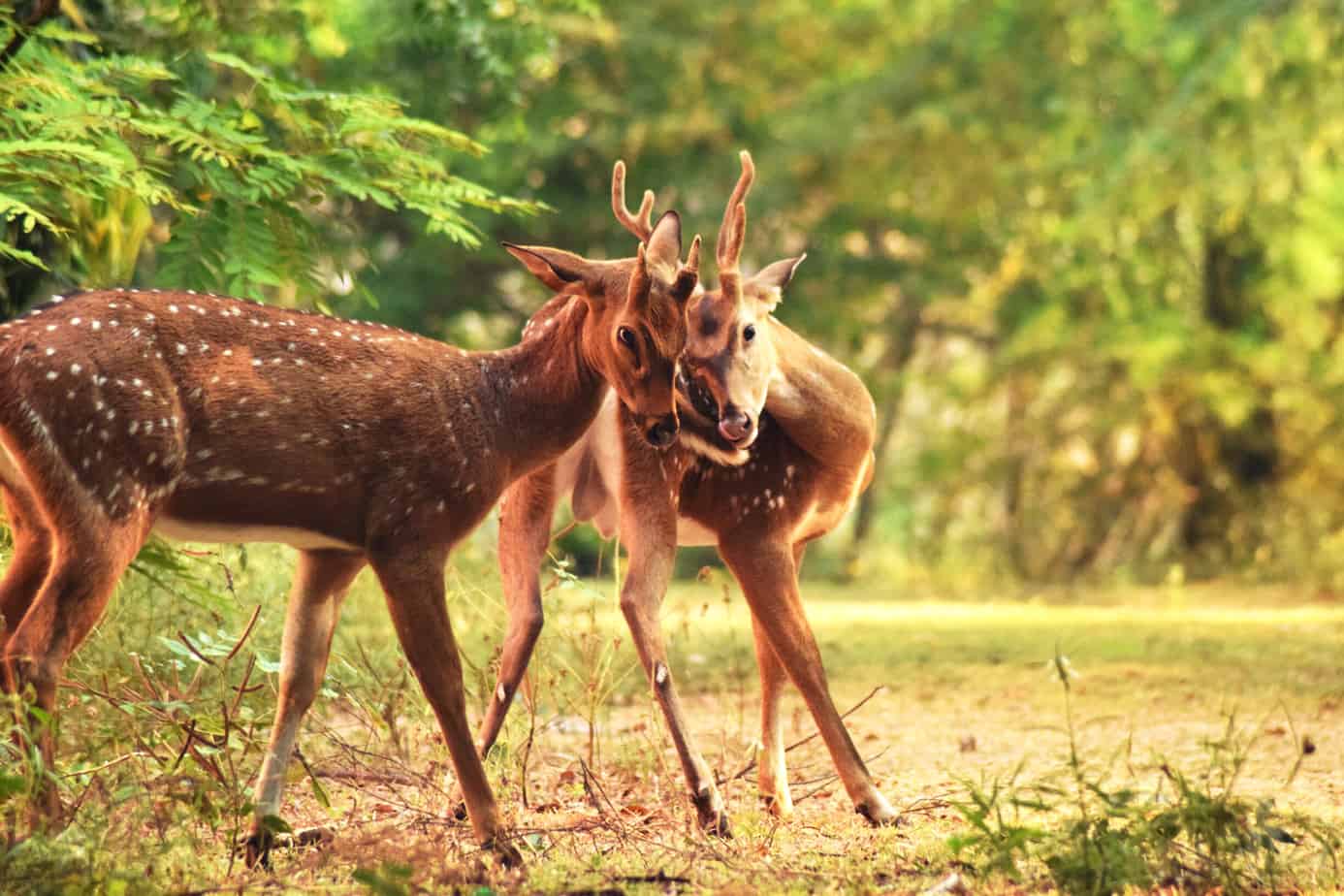
Photography has given me an opportunity to create a platform for all these creatures. Here are a few photos that give you a sneak peek into the ecosystem that the Institute is:

Click on each to view the images in full size.

Comments:

  1. Vasundhara jain says:

    U should go to tropical jungles of America.. Will do amazing work

  2. Rashmi says:

    Very nice article and amazing pics.

  3. Javeed says:

    Superb snap bro…

  4. anurag varma says:

    pic of monkey inside the car is so funny. great work bro

Leave a Reply

Your email address will not be published. Required fields are marked *

Similar Story

The trees we forget: What a city loses when the canopy disappears

Bengaluru's trees are more than shade; they are memory, identity, and resistance. Their loss leaves the city harsher and emptier.

Summer in India has been merciless this year, with many states recording temperatures above 42 degrees Celsius and rising reports of fatalities. Despite these harsh conditions, urban support continues for development projects that clear trees, wetlands, mangroves, and forests near cities. A recent Article 14 report provides data on thousands of trees that will soon be sacrificed nationally for infrastructure projects. Those opposing such unscientific large-scale tree felling are often labelled 'tree-huggers', 'anti-development' and 'anti-nationals'. While capitalism accelerates environmental degradation and the world faces a growing climate crisis, societal divisions deepen.  Yet, we give trees too little credit: Beings necessary…

Similar Story

Bengaluru’s flowering Tabebuia Rosea trees: Think green, not just pink

Cities must not confuse beauty with ecology; Bengaluru’s pink weeks are lovely, but unchecked ornamental planting could make the city prettier but less alive.

Late each winter, Bengaluru briefly transforms into an Indian Kyoto, as roads blush pink, office parks turn photogenic, and social media buzzes with claims of a local “cherry blossom” season. But the star of this spectacle is not cherry at all. It is Tabebuia rosea, the pink trumpet tree, a neotropical ornamental whose native range runs from Mexico to Ecuador. What seems like a harmless aesthetic win is, ecologically, far more complex. The history Bengaluru’s pink canopy is not new. Much of it can be traced back to the 1980s under forester S G Neginhal, who drove a major greening…