I am a resident of Dadar Parsi Colony in Mumbai with cerebral palsy. I’ve been using a motorised wheelchair for the past two years. Before that, I used elbow crutches, but a nerve compression in my spine forced me to make the shift to a wheelchair. While a wheelchair could mean more independence to move around, I quickly realised that most of Mumbai’s roads were not accessible to me. The dangerous conditions of road travel in the city made it difficult for me to do basic chores like going to the grocery store, chemist, bank, or visit public spaces recreationally.
My conversations with my physiotherapist, Dr. Unnati Shelar, on inaccessibility in Mumbai, developed into action. In July 2021, we decided to visit several authorities that could potentially support us. At first, we tried to contact Amey Ghole, the area corporator, whom I knew personally. We were attempting to execute this initiative when the pandemic was at its peak, so it wasn’t a surprise that we didn’t receive a response, and decided instead to move on. The next stop was the BMC ward office. This time, we were accompanied by another active citizen, Kersi Ujwala.
Read more: How the pandemic affected persons with disabilities and why we should care
We reached the ward office after only a brief call with the officer’s personal assistant, who was informed of my condition and why we were asking for better infrastructure in our area. We made a few more trips to the offices after that, each time bringing more documentation of inaccessible streets and encouraging healthy conversations on solutions.
Within a month of the meeting, without any follow up, the work started in my neighbourhood. I was sent an acknowledgement of footpaths named, and our initiative landed us new ramps and railings. As of last week, after a few trials and initial mistakes rectified, we have successfully made the entire lane adjacent to my building, disabled-friendly, with smoother footpaths, ramps and railings wherever required.
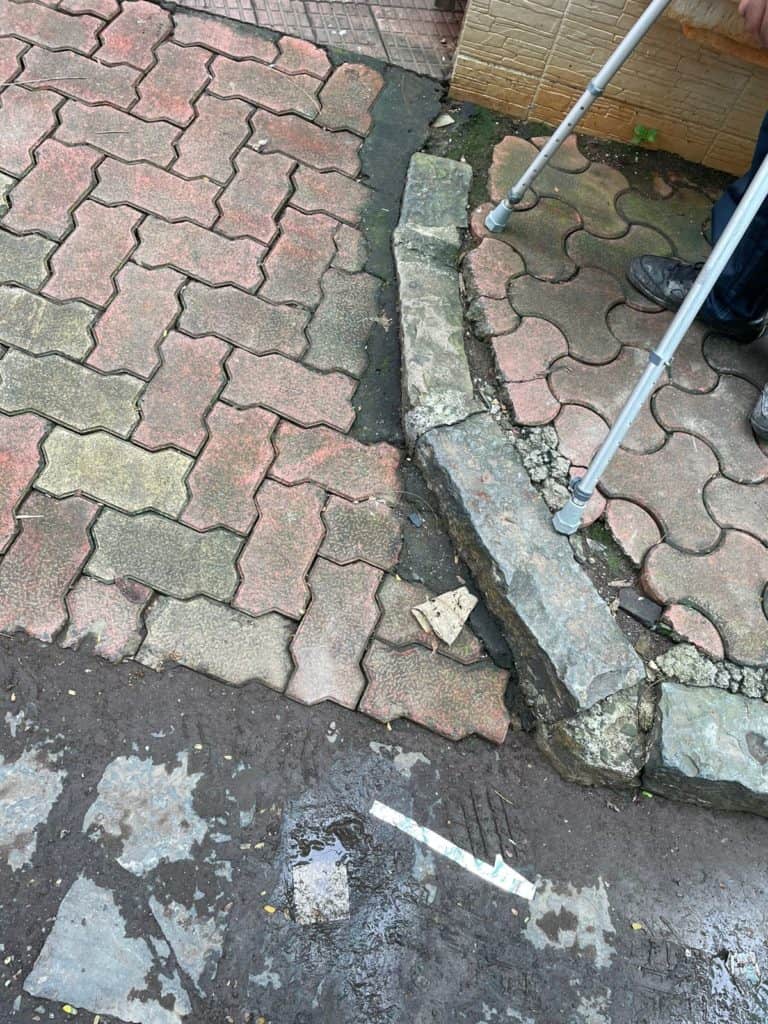
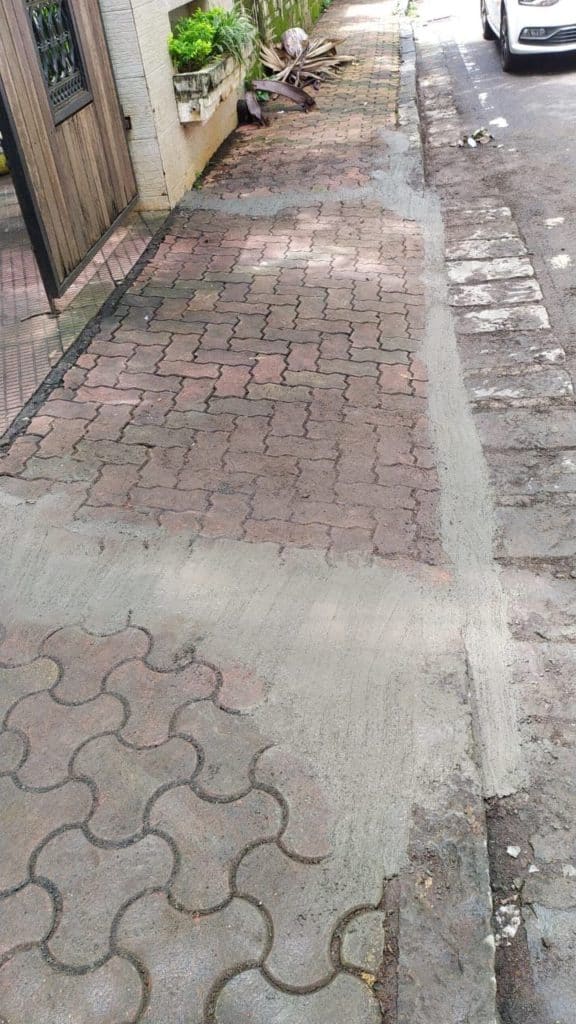
The proactive nature of the operation came as a surprise. Without any prior appointments, we were heard, and promises were fulfilled. Recently, I got a call from a BJP corporator of Matunga, Hindu Colony, saying they wanted to take up an accessibility project in their area.
Problems still arise. Somebody will park their bike on the footpath or slope, a trashcan will be kept on a narrow footpath, blocking the whole road. While we managed to address the problem in infrastructure, we still have a long way to go with citizens. For now, we have decided to put handicapped logos on all the accessibility ramps. We’re hoping this will make a difference.
Perseverance and determination have paid rich dividends by way of proactive support from Mr. Amey Ghole SS Corporator and MCGM F NORTH WARD