Here’s Navi Mumbai’s first ‘Birdrace’. It’s not what you are thinking

Read how a citizens group in Khargar is actively working to save the neighbourhood wetlands.

The Wetlands in India, Mumbai and Navi Mumbai included, are under severe threat. Time to take action is now.

“According to the environment ministry, 35 per cent of wetlands have disappeared since the 1970s and 87 per cent have been lost since the 1700s. Causes of wetland loss are drainage and infilling for agriculture and construction, pollution, overexploitation of resources (like overfishing), invasive species and climate change.” – Hindustan Times


Read more: How a Navi Mumbai citizens group fought for the flamingos


World Wetlands Day

World Wetlands Day, that is observed on 2nd February every year, was celebrated by several groups all over India. We at Kharghar Wetlands & Hills had already started observing this even before the actual day.

On Republic Day, 26th January, we did a cleanup, calling upon citizens and the fishermen to maintain a safe, clean and beautiful wetland and mangroves ecosystem that Kharghar is endowed with.
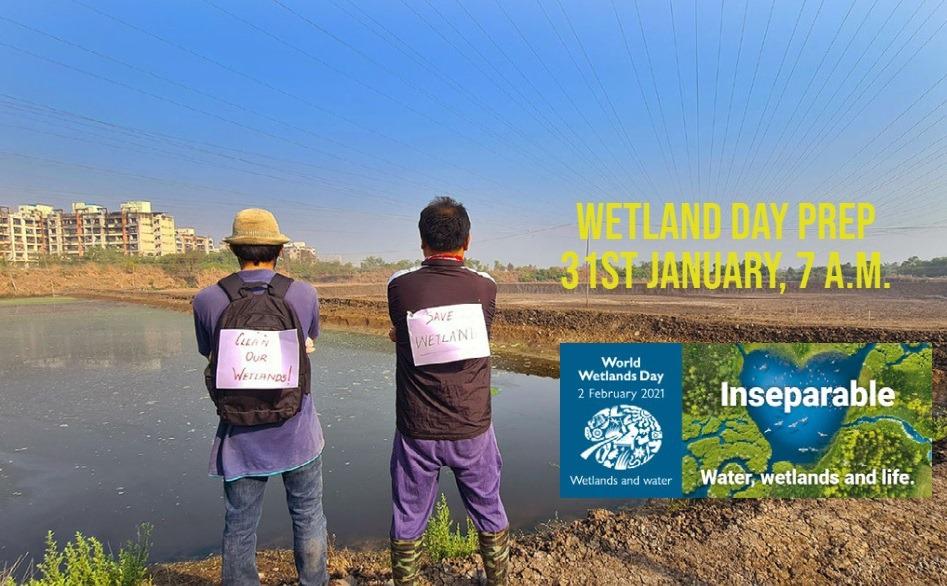
Cleanup at Khargar 31-Jan-2021 (Pic: Nareshchandra Singh)

Then on 31s January, we did a further cleanup to welcome our feathered friends by removing threats like plastics, left over alcohol bottles, discarded nets, etc.
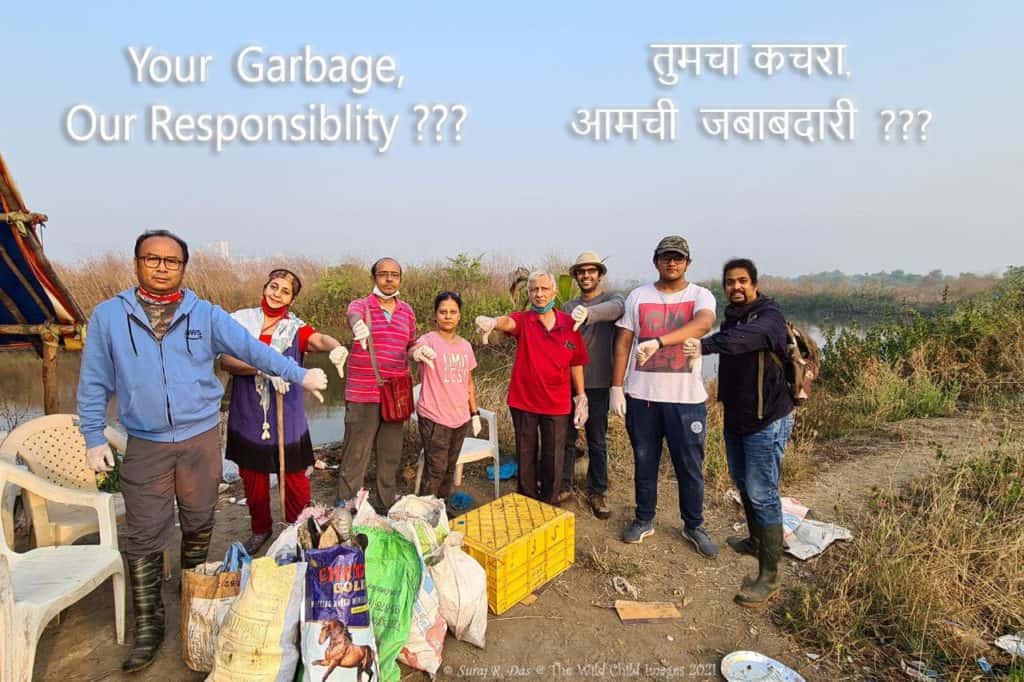
Mangroves cleanup, 31st Jan 2021 (Pic: Suraj R Das)

On D-day, 2nd February, we actively participated in the National Wetlands Tweefest conducted all over the country by dozens of organizations all together in solidarity.
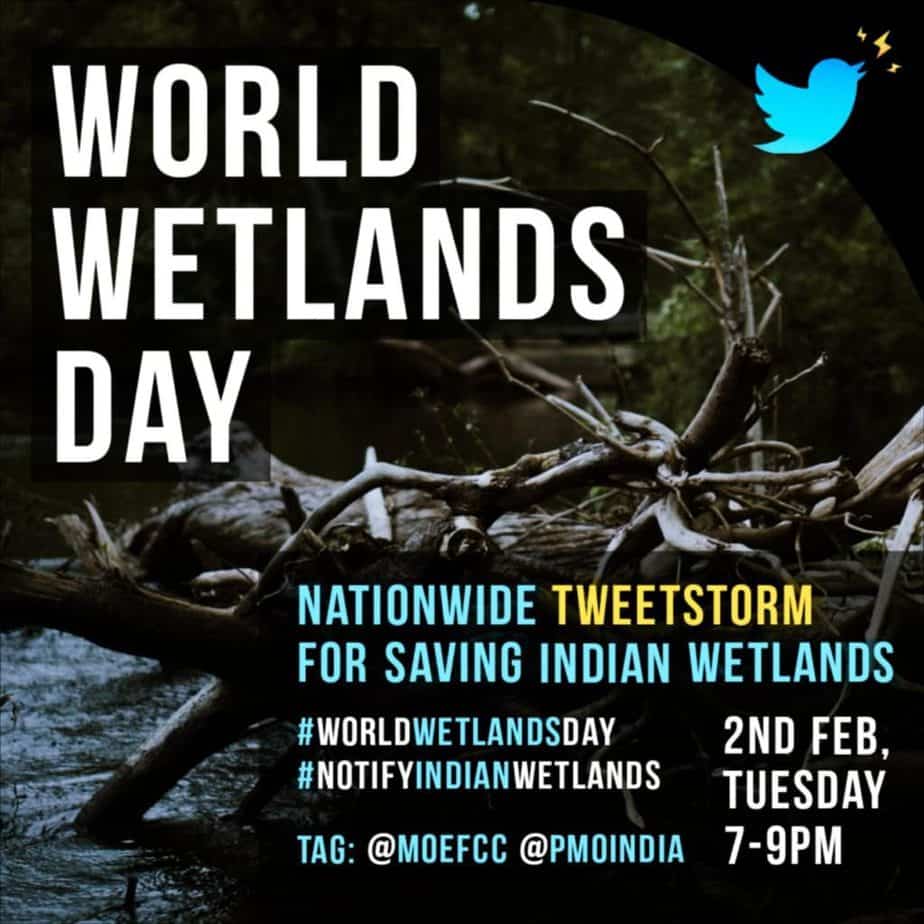
Wetlands Day Tweetstorm flyer. (Pic: Nareshchandra Singh)


Unstoppable

We are not stopping there, on Sunday, 7th February, we are organizing Navi Mumbai’s first “Birdrace” where teams will be competing against each other to record the varieties of birds in the neighborhood. Those interested may register at this link https://fb.me/e/delBFFSi3 or mail khargharwetlands@gmail.com.

Also read:

Leave a Reply

Your email address will not be published. Required fields are marked *

Similar Story

The trees we forget: What a city loses when the canopy disappears

Bengaluru's trees are more than shade; they are memory, identity, and resistance. Their loss leaves the city harsher and emptier.

Summer in India has been merciless this year, with many states recording temperatures above 42 degrees Celsius and rising reports of fatalities. Despite these harsh conditions, urban support continues for development projects that clear trees, wetlands, mangroves, and forests near cities. A recent Article 14 report provides data on thousands of trees that will soon be sacrificed nationally for infrastructure projects. Those opposing such unscientific large-scale tree felling are often labelled 'tree-huggers', 'anti-development' and 'anti-nationals'. While capitalism accelerates environmental degradation and the world faces a growing climate crisis, societal divisions deepen.  Yet, we give trees too little credit: Beings necessary…

Similar Story

Bengaluru’s flowering Tabebuia Rosea trees: Think green, not just pink

Cities must not confuse beauty with ecology; Bengaluru’s pink weeks are lovely, but unchecked ornamental planting could make the city prettier but less alive.

Late each winter, Bengaluru briefly transforms into an Indian Kyoto, as roads blush pink, office parks turn photogenic, and social media buzzes with claims of a local “cherry blossom” season. But the star of this spectacle is not cherry at all. It is Tabebuia rosea, the pink trumpet tree, a neotropical ornamental whose native range runs from Mexico to Ecuador. What seems like a harmless aesthetic win is, ecologically, far more complex. The history Bengaluru’s pink canopy is not new. Much of it can be traced back to the 1980s under forester S G Neginhal, who drove a major greening…