Finding the hidden birds in urban green spaces

Walks are a great way to explore the hidden treasures in the city, including birds. Deepa Mohan narrates the story of one such walk.

I was requested by Irina Ghose and Gopal Swaminathan to conduct a nature/birding walk at Lalbagh for their daughter Divya, who was celebrating her birthday.

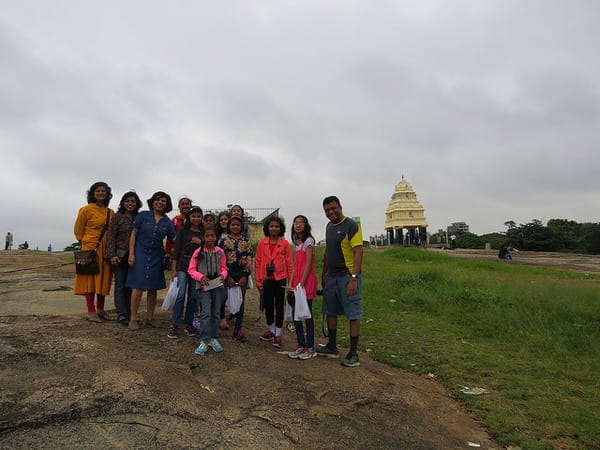
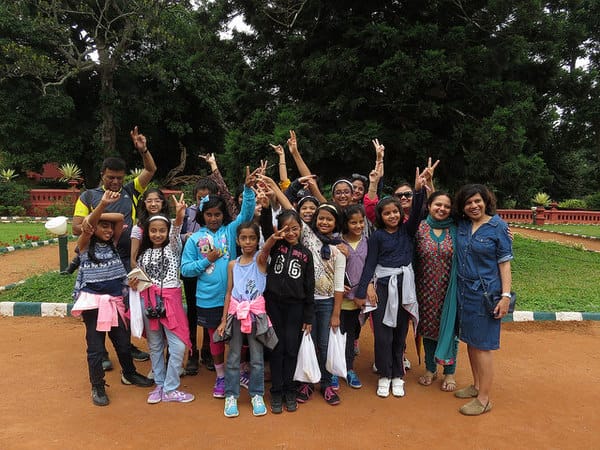
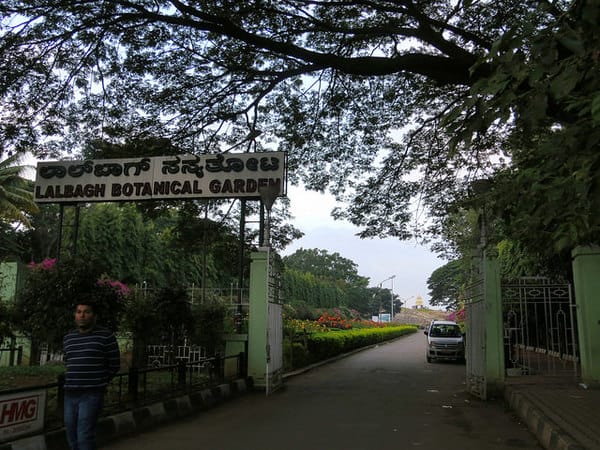
We gathered most of the group together for a “landmark” shot:
And off we went.

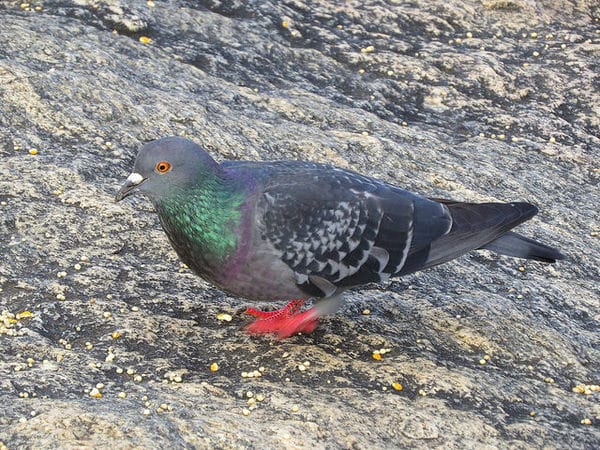
We started with the commonest of birds, the Blue Rock Pigeon:
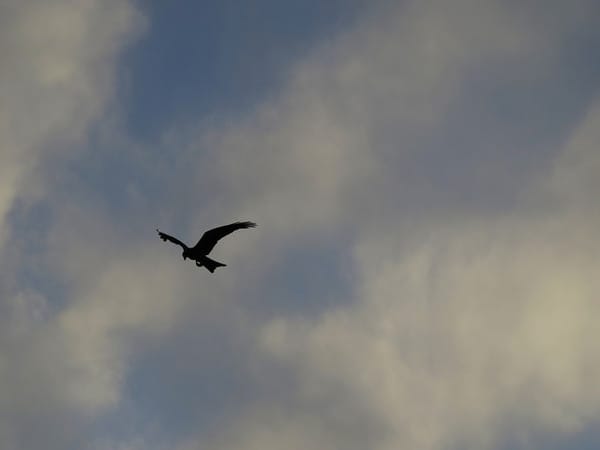
And the Black Kite (here, a silhouette in the sky):
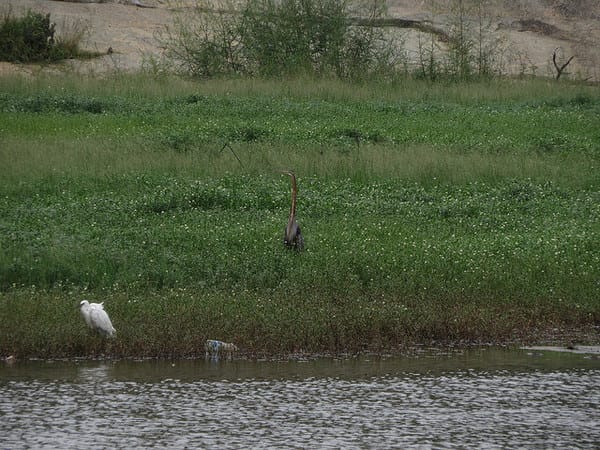
At the lake, we saw a Little Egret and a Purple Heron:
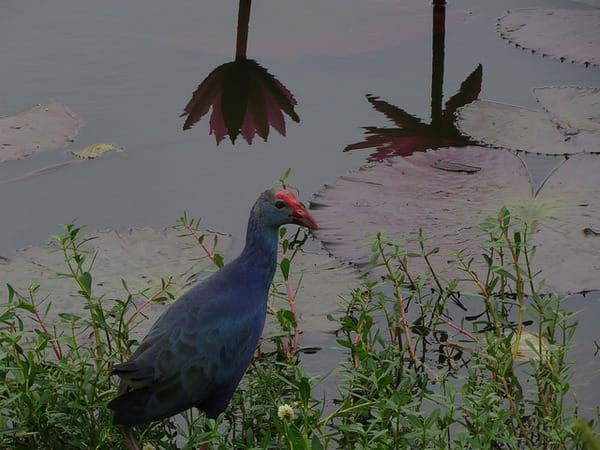
A Purple Swamphen:
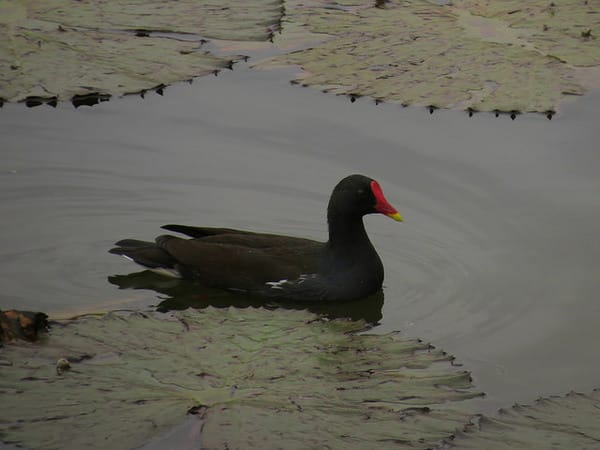
A Common Moorhen:
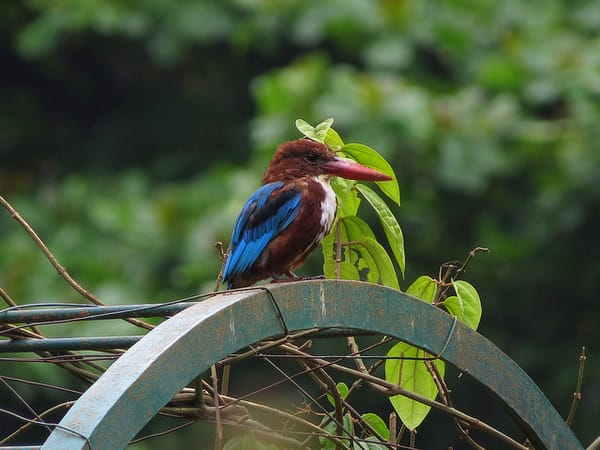
A White-throated Kingfisher looked out over the rose garden.
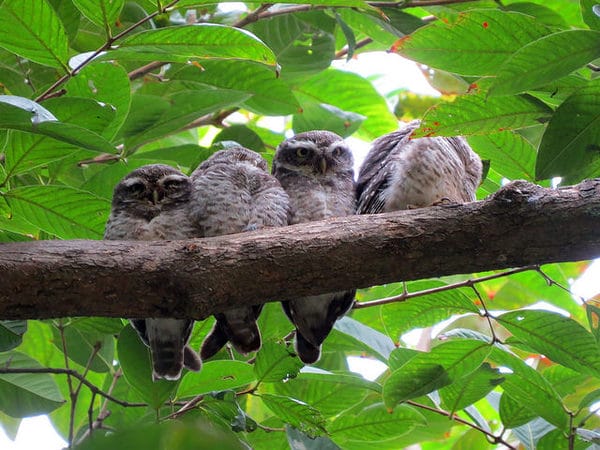
The Spotted Owlets didn’t seem too enthused to see me back again with another group:
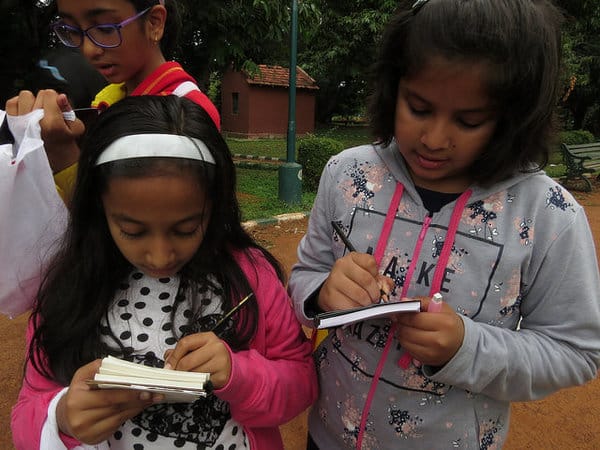
It was very nice to see several of the children jotting down the birds’ names:
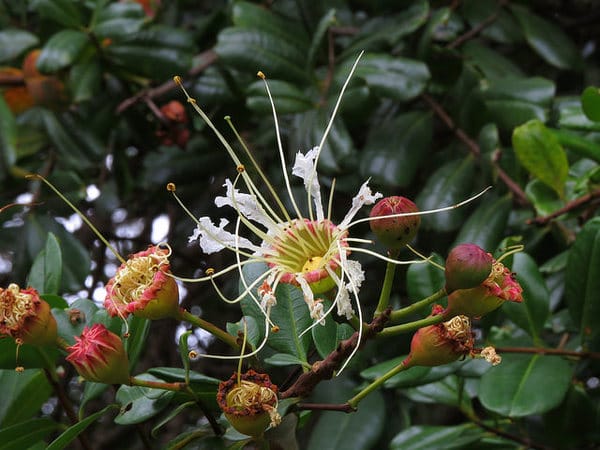
The birds were not the only beautiful things around! This flower is from the Lafoensia vandellina, which is a heritage tree of Lalbagh. Here is another post I made about this tree.
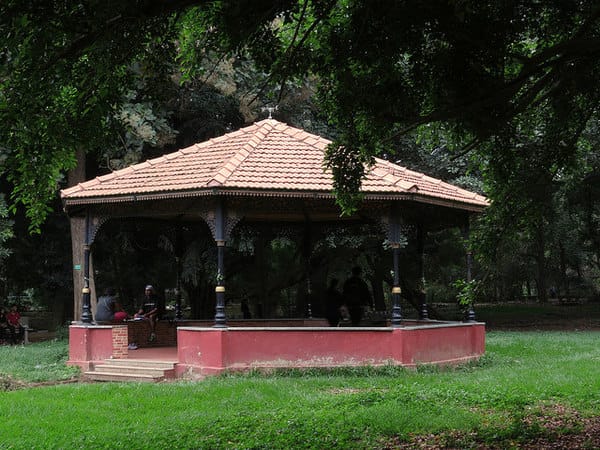
Some of the historic structures in the park also seemed lost in green dreams of long ago:
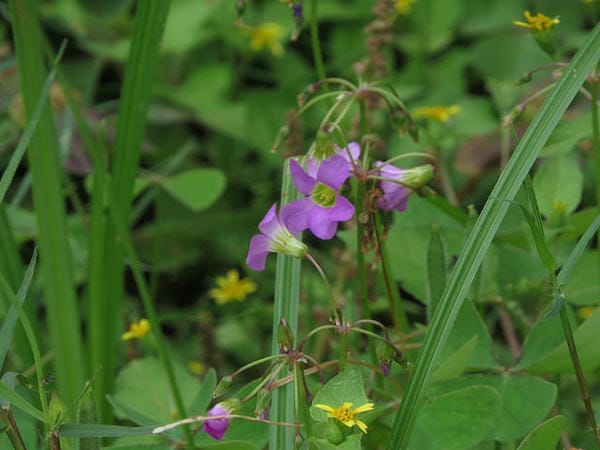
In the middle of the cultivated gardens I did find some tiny, exquisite wildflowers.
Here’s everyone at the end of the walk, they seemed to have had a good time!
I left the children and the adults celebrating in the park, one of the jewels of our city.
More photos in the FB album, and the eBird list is here.

Such urban nature walks show us the natural wealth that is still available to city-dwellers.

Related Articles

Lots of birds at Kaikondrahalli Lake
Children like the lake, so do the birds!
Spot the birds flying in to Bangalore
Feeding birds and animals for 15 years!

Leave a Reply

Your email address will not be published. Required fields are marked *

Similar Story

Inside Chennai’s AQI: Why hyperlocal monitoring of air quality is crucial

Official data masks Chennai's toxic air. Citizen Matters travelled with the IITM team to map variations in air quality. Watch the video to know more.

Across cities, official Air Quality Index (AQI) readings often overlook local hotspots. Chennai has eight Continuous Ambient Air Quality Monitoring Stations (CAAQMS) that function 24/7 throughout the year. But this isn’t enough to map particulate matter. Air changes every few metres, as researchers from the Indian Institute of Technology-Madras tell us. Seasonal variation, construction, vehicular movement, and proximity to industries also change the air we breathe, In 2022, over 17 lakh people died in India due to air pollution (PM 2.5), according to a Lancet study. With better hyper-local air data and public awareness, citizens and policymakers can target pollution…

Similar Story

Mumbaikars are fighting for their mangroves. Here’s how you can join them

Mumbai is about to face a monumental loss—its mangroves are being cut to build the coastal road. Citizens, however, have not given up the fight to save them.

​“What happens when we remove this natural infrastructure of the city? What happens if it floods? What happens if the air quality (index) goes really high?” asks Pooja Domadia, a member of the Save Mumbai Mangroves campaign. These are questions that many Mumbaikars have as work begins on the Versova-Bhayandar Coastal Road, which is set to affect 45,000 mangrove trees. In March this year, the Supreme Court dismissed a petition challenging the Bombay High Court order to greenlight the cutting of mangroves for the project. Is the SC decision a fatal blow to the movement? The BMC has already begun…