International sports has been rocked in recent years with a series of top flight athletes, many of them women, quitting tournaments or giving up the game due to emotional or mental health related issues. The most recent being world number one Ashley Barty, 25, who decided to retire from tennis at the height of her prowess.
The reason she gave: Her emotional inability to continue the gruelling physical and mental effort that remaining on top in international sports requires.
International sports stars no doubt face unique physical and mental pressures. It happened to Barty’s competitor Naomi Osaka over a year ago, when she walked out of a tournament citing emotional despair and returned to top flight tennis only recently.
It happened to Olympic gold medallist gymnast Simone Biles at last year’s Tokyo Olympics. Biles just dropped out of sight for a few days during the games. She was emotionally drained, she said. But she returned to give a stunning gold medal winning performance. And gave up the sport completely after the games.
What is to be particularly noted here is the wholehearted understanding and support these people got from sports federations, friends and the media.
Read more: COVID-19 has put the spotlight on mental health, but India needs more
Unfortunately, one cannot be sure at all that an Indian sports star caught in a similar situation would have got that kind of support at home. An Olympic medal winning woman wrestler was a feeble lone voice which expressed doubts if she would have got the same support if she were to take a break citing emotional reasons.
Depression. Burnout. Anxiety. Stress. Emotional exhaustion. Not new mental health conditions. Yet, many still do not believe that depression or emotional wellness is a real health issue.
The social stigma associated with bare mention of the words ‘mental health’ is very much a reality in Indian homes, still. Mental health issues do not respect economic or social status and received little attention among the general public till COVID-19 struck. But it seems that the virus and the world it created may have finally pushed media into realising that mental health is an important beat.
An unprepared system, a society in denial
The effects of the prolonged lockdowns had a severe impact on minds. Individuals struggled to cope with confinement in closed spaces with children suddenly cut off from school and all social contact with their peers, adults having to adjust to work from home and the elderly, lonely even in normal times, rendered even more lonely by pandemic restrictions.
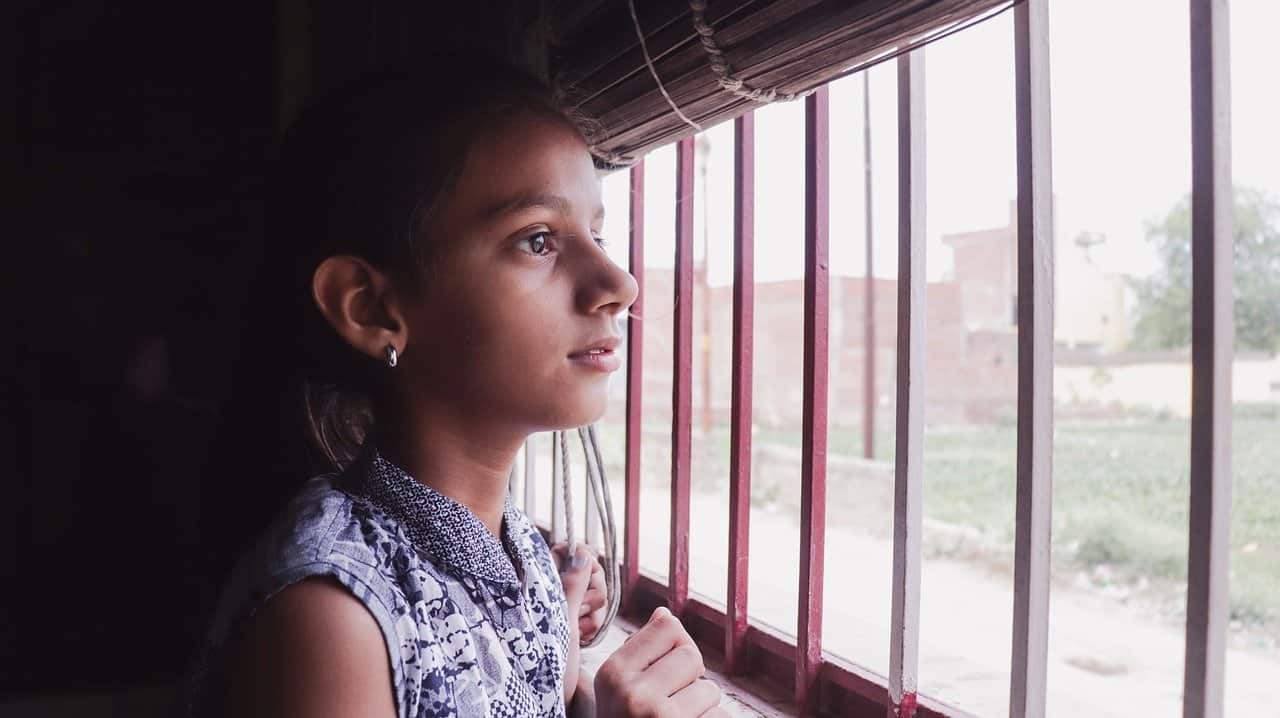
These were just some of the mental health issues that the pandemic began to shine the spotlight on. But in the process, what came to the fore was the acute shortage of counsellors and other trained mental health professionals, and diagnostic and treatment facilities for these people.
One main stumbling block has always been the reluctance among individuals, their families and peers to accept that one is facing a mental health issue and needs professional help. The second has been the lack of awareness of where and how to get that help.
A film, Smile Simi, made by Malathi Rai, a Mumbai-based human resources executive presents the problem in a simple, effective manner. The film shows how hard it is for the sufferer when no one understands what is happening in the mind, because it is not visible.
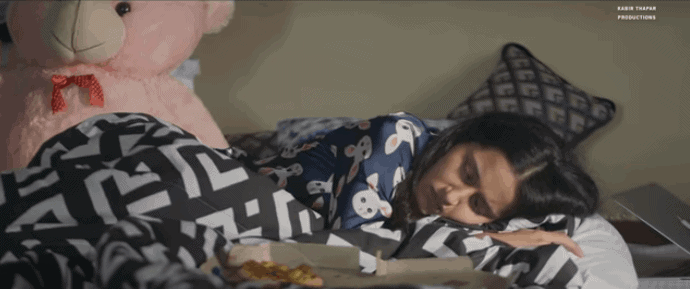
As Malathi Rai told Citizen Matters: “Problems with mental health may lurk in the unlikeliest of places and people. Awareness and Acceptance are the two magical words. Once you cross these two, there’s hope for a better life”.
Read more: Starting the conversation on mental health
Silver linings
Perhaps COVID-19 had one positive fallout. Getting the media and government health authorities to sit up and take notice of what the pandemic was doing to the population’s mental health. It saw helplines for mental health being set up, online counselling sessions happening, even the state pitching in, and citizen groups helping out with awareness campaigns.
Before the pandemic, I was invited by NIMHANS to a panel discussion on media and mental health. As editor of The Week magazine then, I had to admit that any media coverage was largely event-based, and few publications and its staff understood the difference between neurological and mental issues. And when stories did get done, the focus was celebrity-oriented to some extent. Like stories of Bollywood stars coping with stress or depression.
And on “wellness”, which has been all over the media these past few years, more so post pandemic.
The earliest stories done by Citizen Matters on mental health go back to over six years. The past two years have seen increased coverage from Delhi, Chennai, Mumbai and Bangalore. With guides and explainers to create awareness among readers.
COVID did not just aggravate old problems. It also created new ones. One of them was ‘Brain Fog’, a condition that surfaced in some patients many months after recovery from the infection. This was perhaps best described by Neha Jaiswal, a Delhi based content writer:
“My head used to spin like a cartwheel. Worse, after short activity, both my hands would start trembling. I consulted neurologists, psychologists, physicians. They all told me that there was nothing much they could do. I felt helpless wondering will I ever feel normal again?”
What Neha suffered from is now accepted as one of the symptoms of what has been named Long COVID, where symptoms such as brain fog can persist for months. Fortunately, 12 weeks later, most of Neha’s symptoms had subsided.
Hopefully, reading about what Neha went through will help others who are facing similar issues but are unable or unwilling to talk about it.
We wish all our readers good health. With the caveat, stay aware.
‘—-The social stigma associated with bare mention of the words ‘mental health’ is very much a reality
May I offer a correction:
—-We have made the act of associating a stigma with mental health issues a reality. Worldwide we have done so.