Day-Long Cleaning Drive and Tree Planting at Horamavu Agara Kere

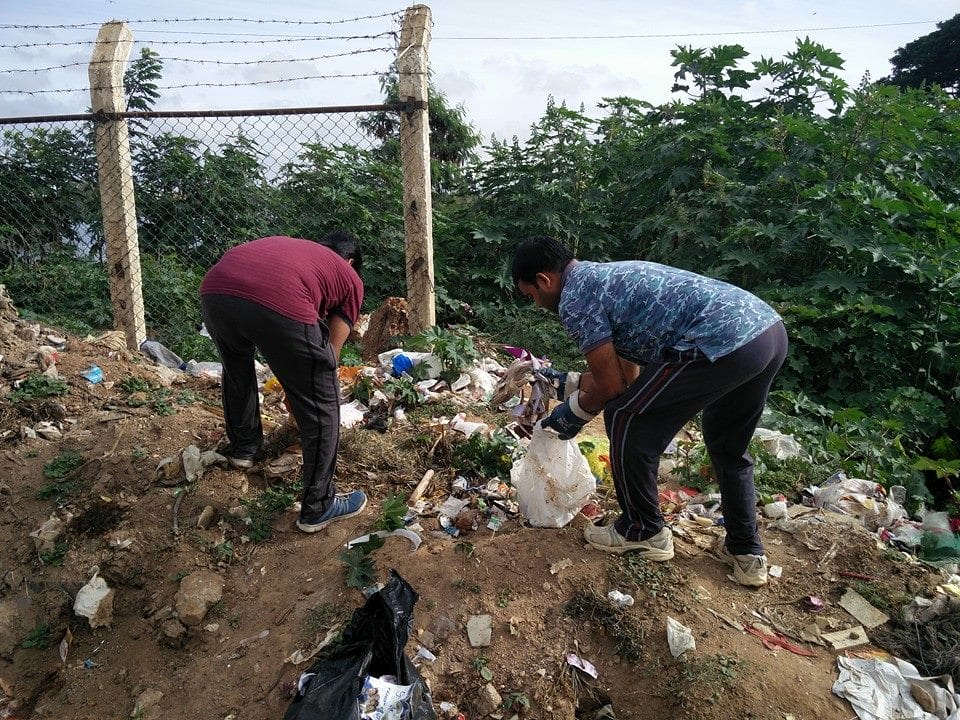
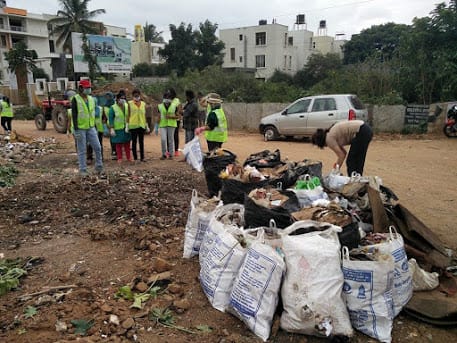
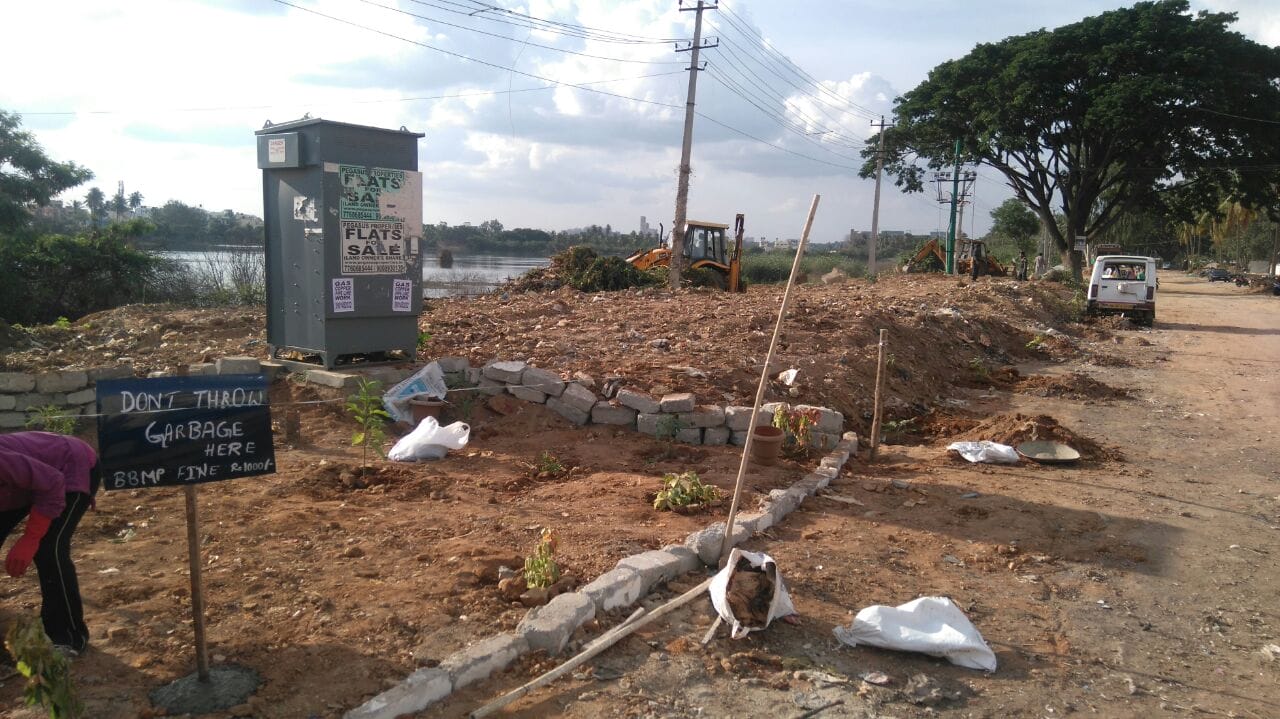
On Saturday, 16-July-2016, Horamavu Parisara Abhivruddhi Samiti (HPAS) organised an intensive day-long lake cleaning and beautification event at the Horamavu Agara Kere. More than 100 people participated in the event. In addition to local residents, students from Mount Carmel College’s Eco Club enthusiastically joined in picking up litter strewn around the lake, segregating waste, removing weeds from the lake’s fence, levelling the ground where needed, planting tree saplings, and making the place aesthetically pleasing enough to dissuade people from littering and dirtying the place in future.

This 50-acre lake in north-east Bengaluru has been a prime location for local residents to toss their unsegregated garbage in plastic bags, for the local BBMP contractors to transfer garbage from tempos into trash compactor trucks, and for people eager to encroach upon lake land by dumping construction debris. In addition, raw, untreated sewage flowing into the lake via two rajakaluves creates a perfect cocktail for disease causing vectors and for the unbearable stench that hangs in the air.

Dr. Ted K. Dass, HPAS managing trustee, said on the occasion that “The government must take very seriously the implementation of orders and rulings by various courts, including the recent orders on Bengaluru’s lakes by the National Green Tribunal. Further, the newly formed KLCDA must be well funded and provided with adequate staff to undertake lake rejuvenation activities on a war footing. People will fall in line when consequences for damaging or destroying lakes and their catchment areas are severe and predictable.

More photos of the cleaning event can be accessed here.

For more information on Horamavu Lakes, please contact Ted K. Dass, Managing Trustee, HPAS Trust

[+91-9900-56-9955 | hpas.trust@gmail.com | www.facebook.com/SaveHoramavuLakes]

Leave a Reply

Your email address will not be published. Required fields are marked *

Similar Story

Where are the flamingos? How Metro construction is devastating Chennai’s Pallikaranai Marsh   

In a report, environmentalists warn marsh blockages increase flood risk for South Chennai and call for urgent measures to avert ecological damage.

On a regular day in May, the calls of migratory waders and other shorebirds foraging in sprawling mudflats fill the air in the southern reaches of Chennai. May is the dry season for the Pallikaranai Marsh, when water levels naturally recede, exposing the critical feeding and breeding grounds that attract hundreds of bird species to this globally recognised urban wetland. But this year is different. The mudflats are gone. In their place is a stagnant expanse of water. This unusual water level during the dry season is not due to early rains. Indiscriminate construction within the marsh is blocking the…

Similar Story

CIDCO’s new flamingo study raises questions on Navi Mumbai airport safety, wetland future

The Bombay Natural History Society had earlier pointed out that protecting wetlands and ensuring aviation safety should go hand in hand.

The City and Industrial Development Corporation of Maharashtra (CIDCO)'s decision to appoint Australian aviation consultancy Avisure to study bird movement around the Navi Mumbai International Airport has raised fresh questions about the future of Navi Mumbai's wetlands. The agency has cited the ongoing study as grounds to defer legal protection for DPS Flamingo Lake, arguing that no irreversible decision should be taken until the assessment of bird-related aviation risks is complete. But bird movement around the airport is not being studied for the first time. Findings of BNHS More than a decade ago, the Bombay Natural History Society (BNHS) was…