March 24 2020. India entered a two-month long national lockdown as part of a strategy to combat the COVID-19 pandemic. One year later, we are seeing a massive resurgence of cases. While the battle goes on in hospitals across India, there is another battle being fought on social media – The Battle Of Misinformation.
This past year, we have seen numerous messages going viral on platforms like Whatsapp, Facebook and Twitter – messages preaching some extremely ridiculous and imaginative home-remedies for protection against COVID. Because of widespread panic, and a certain desperation to act, people are falling prey to these gimmicks and end up harming themselves.
In this article, I will attempt to debunk some of the myths about home remedies.
MYTH: Lemon juice through the nose will kill the virus.
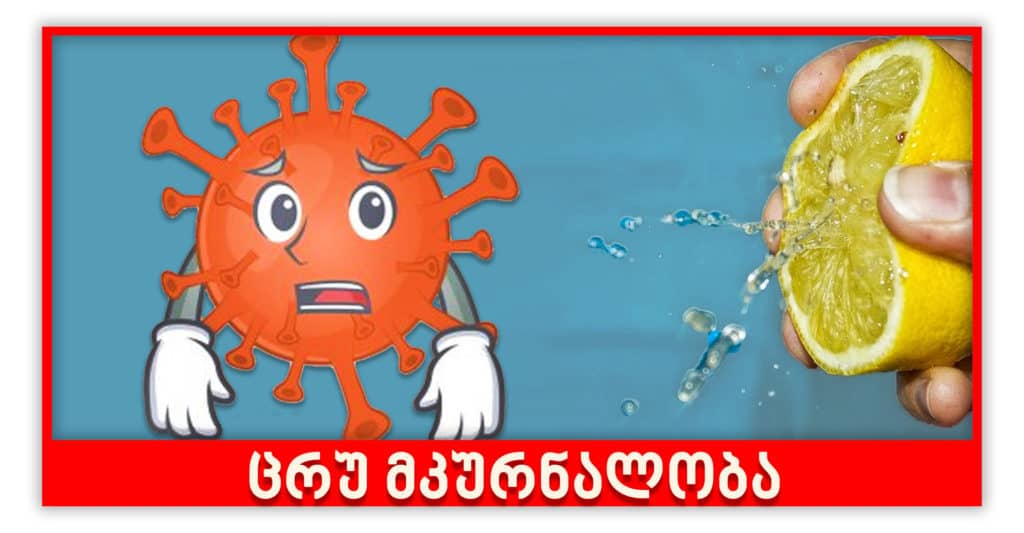
FACT: Lemon juice is acidic. Taking undiluted lemon juice through the nose can damage the inner lining of the nose, cause irritation, and may even cause bleeding as well. It will not kill the virus in the nasopharynx either. Snorting lemon juice will cause only harm, no benefit.
MYTH: Drinking Whiskey or other forms of alcohol frequently will kill the virus in the throat.
FACT: Alcohol-based sanitizers are used to sanitise surfaces. The virus enters the cells. Drinking a lot of alcohol will not kill the virus but cause alcohol toxicity and liver damage.
MYTH: Drinking ayurvedic or homemade kadhas 3-4 times a day will prevent/ improve immunity and prevent infection.
FACT: No amount of immunity boosters will prevent COVID infection. Also, drinking hot kadhas multiple times a day may lead to gastritis and gastric ulcers. Many such cases have already occurred over the past year. Long term consumption of such kadhas, especially those ready-to-mix ones available in the market, may even cause liver toxicity.
MYTH: Drinking a lot of water will wash down the virus from the throat.
FACT: Water will not wash down the virus. Drinking too much water will not prevent COVID-19. While adequate water intake is necessary to maintain hydration in summer, it is a misconception that water taken in large quantities will wash down the virus from the throat.
MYTH: Vitamin D supplements will improve immunity and prevent COVID-19 infection.
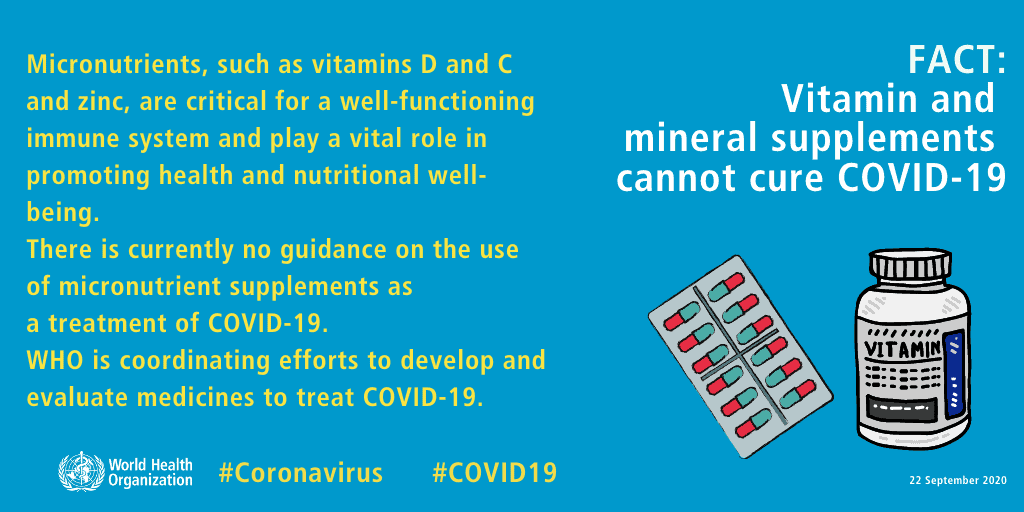
FACT: Vitamin D is necessary for immunity. Other vitamins are also important for strong immunity. But supplements should be taken ONLY if there is a deficiency, upon the recommendation of a doctor. If vitamin levels are normal and someone is consuming vitamin supplements, then it won’t have any effect. Instead, excessive intake can cause toxicity.
MYTH: Camphor-ajwain potli will increase oxygen saturation.
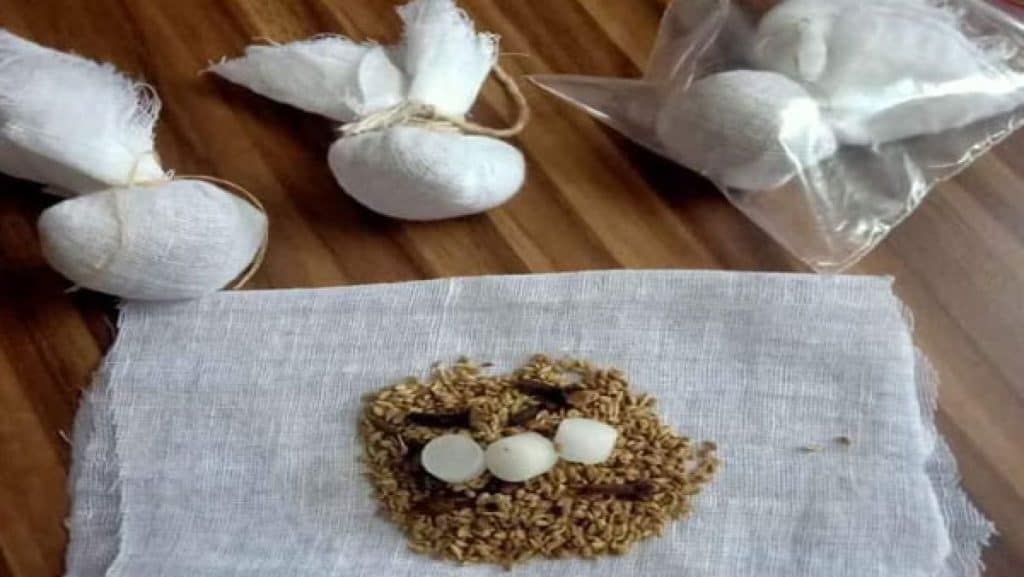
FACT: Camphor-ajwain potli only gives a momentary feeling of relief, it doesn’t increase the level of oxygen in blood. COVID affects the alveoli in lungs in such a way that oxygen from lungs cannot enter the blood stream; Camphor-ajwain potli will not have any effect on that. It cannot treat COVID-19.
MYTH: Common antibiotics will cure COVID-19.
FACT: Self-medication with antibiotics for symptoms of cough and cold is not recommended. Antibiotics work against bacteria, not viruses. Antibiotics are given to patients only because bacterial co-infection is possible in some. They will not cure COVID-19.
Read more : Why the COVID surge calls for immediate attention to public toilets in our cities
MYTH: Regular saline nasal wash will prevent virus from entering the lungs and eliminate them from the nasopharynx.
FACT: Occasional saline nasal wash may help in clearing a nasal blockage due to common cold. But it does not have any effect on the virus.
There are many more similar myths and home remedies circulating on social media that either have no use or cause more harm than benefit. This article covers some of the most shared ones. The issue with such messages is that gullible people, desperate to save themselves from the potentially killer virus, end up following these practices.
It is imperative that such misinformation is countered and people are educated regarding these myths. A simple advice to anyone who comes across prescriptive or advisory messages on any platform – talk to your doctor and confirm the validity of those messages first. Always consult a health professional before adopting any of these practices.
There is no medicine for COVID-19. There are only three preventive measures – masking, distancing and vaccination. And they are more than enough to protect you from COVID-19, if followed properly.