On Sunday mornings, various groups of citizens are seen cleaning up water bodies in different parts of Mumbai city.
Recently, a new initiative to clean up the Bandra Talao (Swami Vivekananda Talao, Bandra) has been started by a group of residents, who believe that rather than complaining to authorities, they should step forward and help to keep their surroundings clean and plastic-free.
A walk at Bandra Talao led to the start of this social initiative by Gauri Kulkarni (26), an architect and a Bandra resident. The #ChakaChakBandraTalav (pond) initiative was started after Kulkarni clicked photos of garbage dumped at the pond site and posted them on Twitter and Instagram.
In four weeks, the group of the residents managed to collect over 600 kgs of plastic and other garbage dumped from the surrounding areas at the pond.
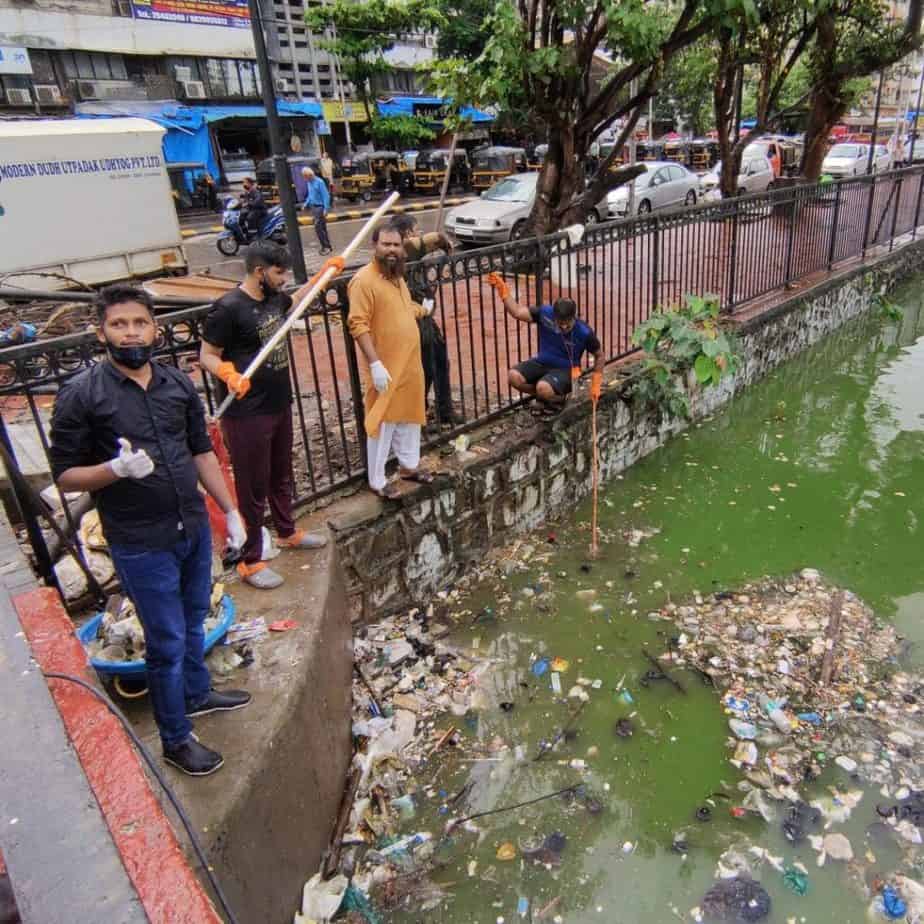
Many people who have seen the post by Gauri on Instagram and Twitter got in touch with the volunteers either to extend help to clean up the pond or to donate money in order to buy the required tools and equipment for the clean-up drive. “While I started getting a response on my tweet, within a few days the online response got converted to a social initiative of cleaning the pond by the local citizens,” Gauri said.
Read more: Keeping Mumbai green: Citizens replant fallen trees, but that’s not enough
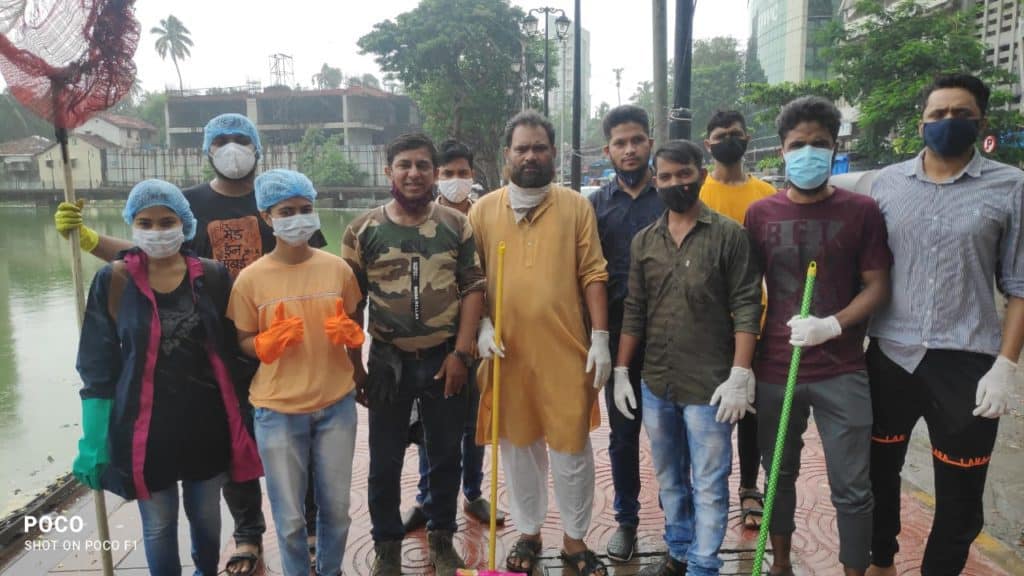
The initiative started on 20 June 2021. “In the first week, we were a five-member team who started the drive. Slowly, within a few weeks, the number of people increased, including the bystander who started actively participating in the initiative after looking at our work,” Kulkarni added.
While the Bandra Talao is one of the grade 2 heritage structures in the city, it has been in a shabby state for a few years. Citizens say that the initiative aims to bring back the beautiful glory of the pond as it was a few decades ago.
Authorities take note
The local Corporator Asif Zakaria too is helping them by coordinating with the H-west ward of BMC’s garden department. “After three weeks, we see that the authorities are taking action and working on the spot to clean up the pond area. The local corporator took up the issue in the ward committee meeting held in July and is helping us coordinate and raise issue with the BMC ward office’s garden department,” said Mushtaq Ansari, a Mahim resident, who contacted Gauri to start the clean-up initiative.
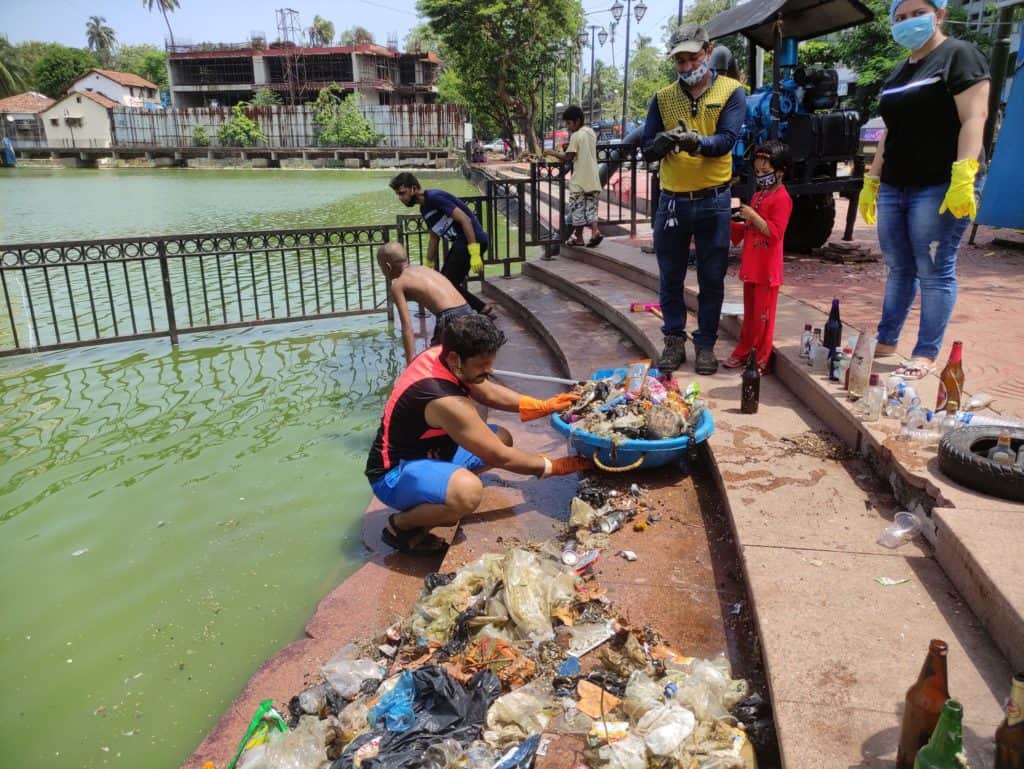
The BMC, a civic body of Mumbai had planned to undertake a multi-crore beautification of the structure but nothing has been done yet. Ansari said, “The pond is littered with plastic bottles, wrappers, bio-medical waste, and solid waste. So far, we have collected over 600 kg of solid waste from the pond. The BMC will soon start collecting garbage floating on the water of the pond. At night, the pond becomes a breeding ground for anti-social activities.”
“We have already deployed a security guard and are coordinating with the police for further safety concerns. Other complaints related to garbage dumping will be resolved soon,” said Vinayak Vispute, BMC’s Assistant Commissioner of H/West ward. “We have also requested a watchman and visits of clean-up marshals to fine the litterbugs,” he added.
Ansari said that dustbins need to be installed around the pond so that people can throw the garbage in the bin rather than throwing it inside the pond.
While waste is collected and segregated by the group into plastic, dry waste, and wet waste, they are taking help from other beach clean-up groups to understand the recycling process. Currently, the segregated waste is collected by BMC’s garbage collection truck.
Groups of citizens clean up beaches in Mahim, Versova, Juhu, and Dadar. For a few years, many volunteer groups, resident associations, college students, and individuals from the city come together voluntarily for the clean-up drives.
A few of the ongoing initiatives by other citizens groups include:
Versova Beach Clean-up
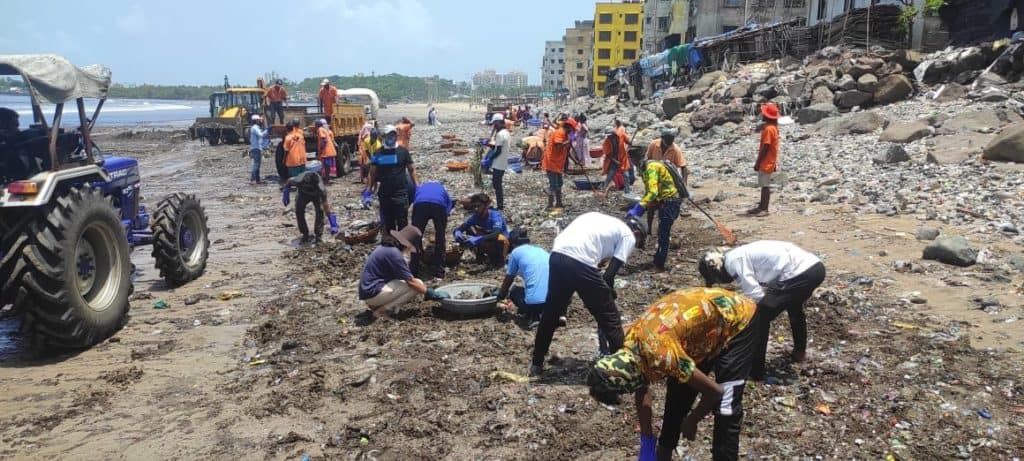
The Versova Beach clean-up started by Afroz Shah has currently completed 316 weeks of beach clean-up. The team of volunteers along with BMC and Royal Norwegian Consulate General Mumbai, have been collecting garbage, marine debris, and plastic waste from the beach. The plastic collected is sent to the recycling centre for recycling purposes.
The team of volunteers has been picking up plastic not only from the beach but also a door-to-door plastic collection from homes of people living near the beach and river.
Dadar Beach clean-up
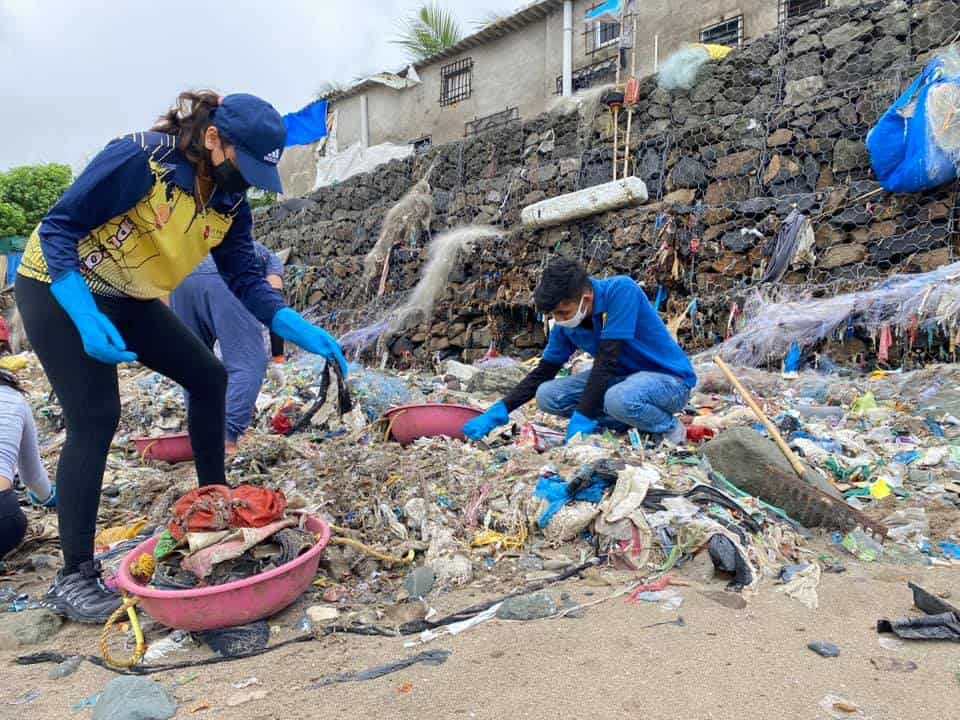
Leading the ‘Beach Please’ initiative is Dadar resident Malhar Kalambe. Along with young volunteers, he started the Dadar beach clean-up initiative in 2018, to clean the Dadar Beach and conserve the environment. With the support from BMC, the group of volunteers is not only cleaning up the Dadar beach but have also started cleaning up the Mithi river and mangroves at Airoli. Overall, Malhar has conducted over 180 clean-up drives in Mumbai.
Gauri said that they were understanding plastic recycling processes. and the place where it can be given for recycling. “Soon we will decide on the recycling issue,” added Gauri.