Chennai sees a huge influx of people who move to the city to study and work. Those who move here often stay in one of the many hostels that can be found across the city.
The hostels advertise themselves as a home away from home, with all the necessary amenities and safety and security. While some hostels deliver on their promises of a comfortable stay, others leave residents with a litany of grievances. Numerous residents shared their unfavourable experiences in hostels seemingly prioritising profit over resident satisfaction. While there have been attempts to regulate their functioning, the past efforts have made little difference to how many of the hostels in Chennai operate.
Read More: Horror stories abound as many Chennai hostels flout all norms
Challenges faced by residents in Chennai hostels
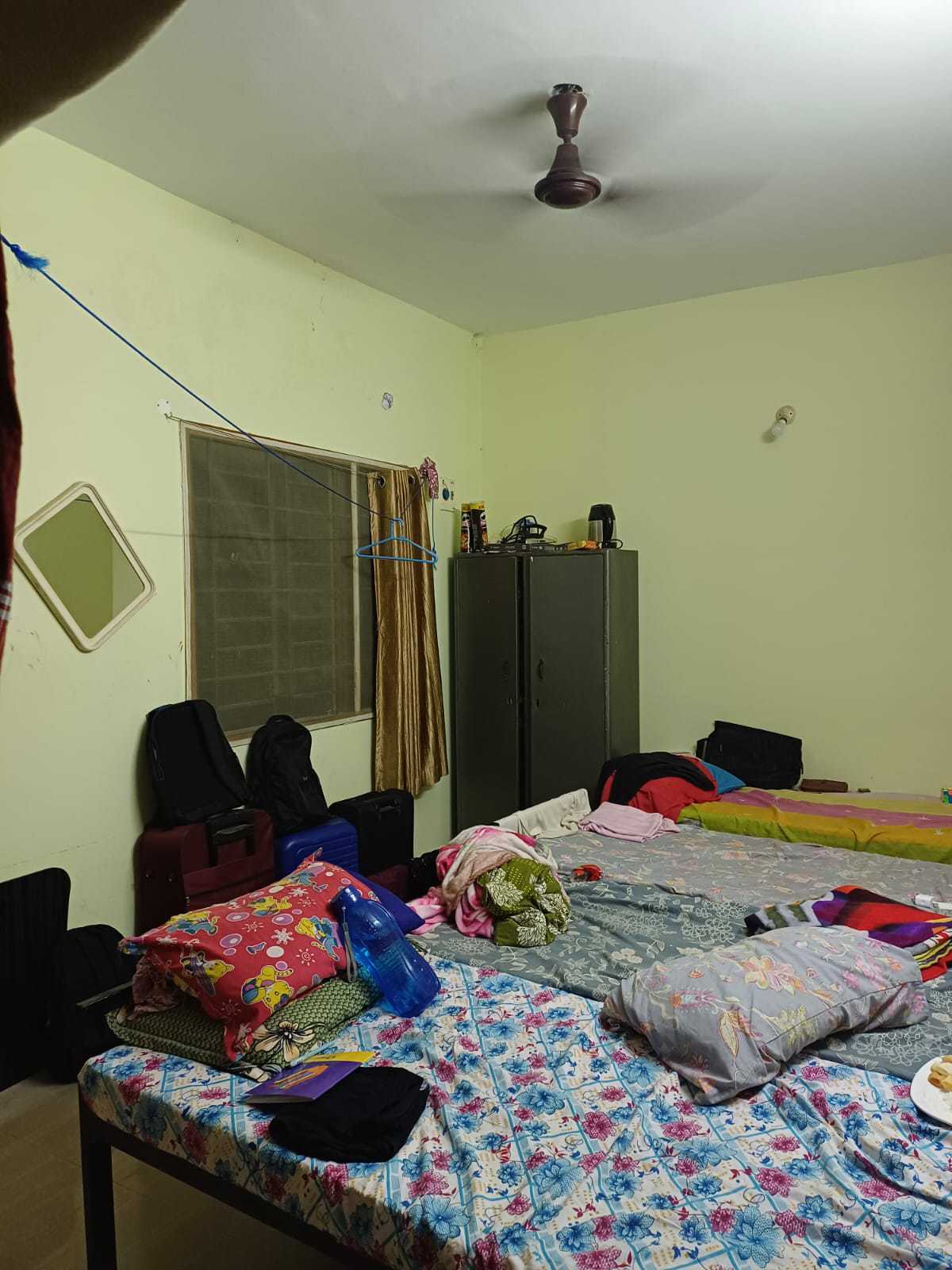
Many who stay in hostels in Chennai have expressed concerns about poor hygiene, overcrowding, rude owners and a reluctance to address maintenance issues.
Shiva moved to Chennai in 2022 for her studies and chose to stay in a women’s hostel. Not long after, she began to regret choosing a hostel over a shared apartment due to the lack of amenities that were originally promised to her. However, one of the fears that had kept her from moving out had been that management would not return her safety deposit. Predictably, she was cheated out of the deposit when she did move out.
“I was paying a high rent of Rs 8500 for a shared space in the hostel. I could have got a single occupancy elsewhere in a flat with strangers. I was new to the city and didn’t want to compromise on safety, but it looks like any other options would only have similar risks,” she says.
Communication issues with hostel owners have also concerned some residents. Rude and disrespectful behaviour from owners has left residents feeling mistreated. In some cases, grievances have gone unresolved for extended periods, causing distress and discomfort for residents.
“I had the worst experience. Regret the decision every day. The management is rude and does not even know how to speak to students,” says Shiva’s roommate from the same hostel.
Cleanliness and hygiene are fundamental expectations for any accommodation, but some Chennai hostels fall significantly short in this regard. Several residents have described poorly maintained rooms, infrequent cleaning, and unhygienic conditions, making it evident that not all hostels take their responsibilities to provide a safe and clean environment seriously.
Rincy moved to Chennai for work. She lives in a hostel in Adyar, in a shared space for five. “I knew there would be restrictions since it’s a hostel, but here on top of it, they do not provide livable conditions in the hostel. Cleanliness in the hostel falls far short of expectations. I have been thinking about moving to a better place already talking with a few friends who are dealing with the same problem to move into a shared apartment,” she adds.
Divya, a traveller, shared her experience of visiting her friend who had been staying in a hostel in Chennai, “I stayed with my friend for 15 days, and we couldn’t take it anymore due to the unclean environment.”
Rent hikes and inconsistent services in Chennai hostels
Residents also share concerns about sudden rent increases, often without corresponding improvements in services or facilities. This has left many residents questioning the fairness and transparency of the rent structure. Some highlight issues like frequent power cuts, inadequate water supply, and poor Wi-Fi connectivity, which are critical for a comfortable stay.
A resident staying in a hostel in T Nagar says, “Owners have the habit of increasing the rent by Rs.500-1000 almost every month, but they do not upgrade the facilities to match.”
Many residents have felt that some hostels were less than transparent about their fees, with additional charges for services that weren’t clearly explained beforehand. This lack of transparency in fee structures has led to disputes between hostel owners and residents.
Read More : Looking for houses on rent in Chennai? Here’s all that you’ll have to answer
Regulating hostels in Chennai
Following a chorus of complaints from residents, there was an attempt to regulate the hostels in Chennai in 2018.
Hostels in the city are required to register with the collectorate as per the provisions of the Tamil Nadu Hostels and Home for Women and Children (Regulation) Act, 2015. Those seeking a registration to operate must provide certification from Greater Chennai Corporation, the Revenue Department and Fire and Rescue Services. While it was mentioned that over 1000 hostels had applied for registration at the time of the announcement, the website of the Collectorate only lists 25 hostels as being registered to operate in the city.
Fresh attempts are now being made to ensure that all hostels that operate in the city are registered and compliant with regulations on fire safety, hygiene, food safety and rules to prevent overcrowding such as each resident having a minimum space of 100 sq ft.
Inspections are being conducted by various departments in this regard. A hostel owner from Egmore says, “The inspection happens sometimes monthly or even weekly. For instance, they checked if we had fire safety facilities a few months ago.”
A staff member at a hostel notes, “A group of government officials came here and checked the quality of food. They tasted it and also asked the residents about the quality.”
While the social welfare department did not provide a response regarding these ongoing inspections and their potential impact, residents have expressed mixed concerns.
Anu, who resides in a hostel in T Nagar, says, “With a crackdown on illegal hostels and improvements in safety and service standards, I hope that safety regulations won’t lead to an increase in our accommodation fees. We look forward to inspections that focus on facilities and ensure safety and hygiene for us.”