Unplanned commercialisation is the reason behind the traffic congestion on GST Road, a national highway and a crucial road connecting the suburbs to the city. Accountability here rests with the Pallavaram Municipality, which issues licences to the builders but fails to prevent or penalise irregularities in construction or deviations from rule.
Has the outlet allocated space for parking? Is the drainage system proper? What about rainwater harvesting? — Vital parameters such as these remain unchecked by municipal officials. Incidentally, these have a lot to do with the traffic nightmare that this road has become.
Shortcuts and violations
In the entire stretch from Pallavaram to Tambaram on the crucial GST Road, only three high rise complexes and shopping centres have the necessary approval from Chennai Metropolitan Development Authority (CMDA); the others got direct approval from Pallavaram Municipality, according to RTI responses obtained by the author and Arappor Iyakkam volunteers from both the government departments.
It is a clear violation of the building rules if an establishment with more than two floors (with stilt for parking) is approved by the Municipality. The CMDA website mentions:
“In case of Special Buildings (Ground + 3 floors) group development or Multi-storeyed building (more than 4 floors), applications (must be) directly admitted in CMDA.”
All buildings other than the special buildings can be approved by the local body (in this case, the Pallavaram Municipality). Getting approval from the CMDA is tough because the officials inspect the establishment and issue the licence only if all the parameters are met. So, the builders take a shortcut, allegedly bribe the Municipality officials, and get their licences in a jiffy.
A few common violations witnessed in the establishments are:
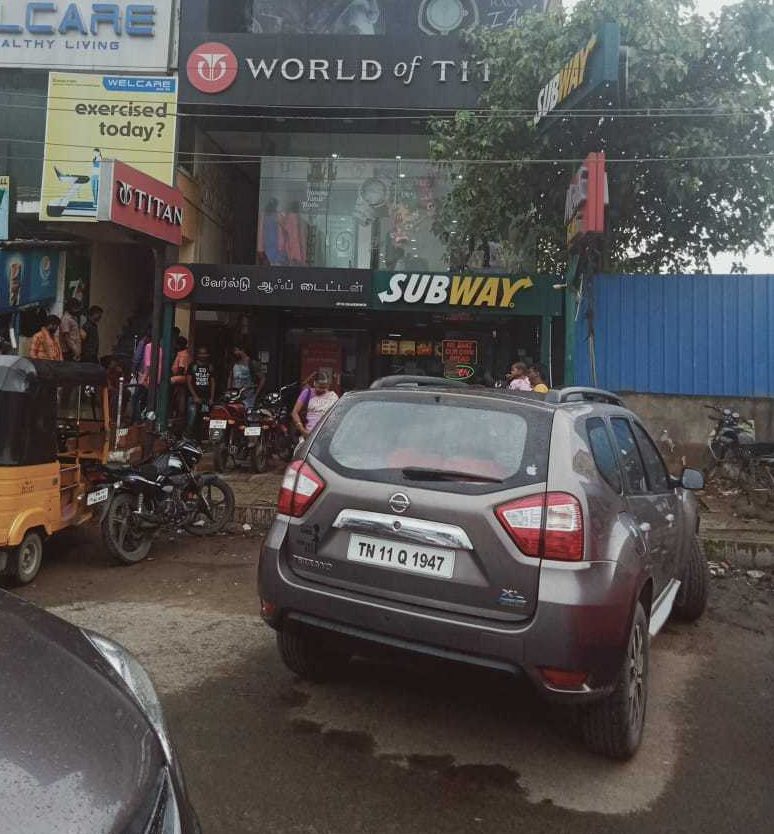
- The stilt area (meant for parking) is often converted to a separate establishment. Visitors to the establishments have no choice, but to park the vehicles on the road. For example, the parking area of the Titan showroom is where the Subway eatery is situated now.
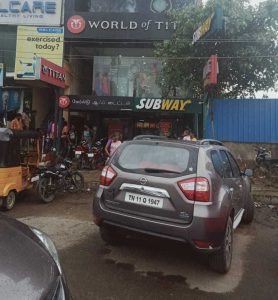
Subway Restaurant operates from the parking premises, as per the Pallavaram municipality approved plan. Pic: S David Manohar
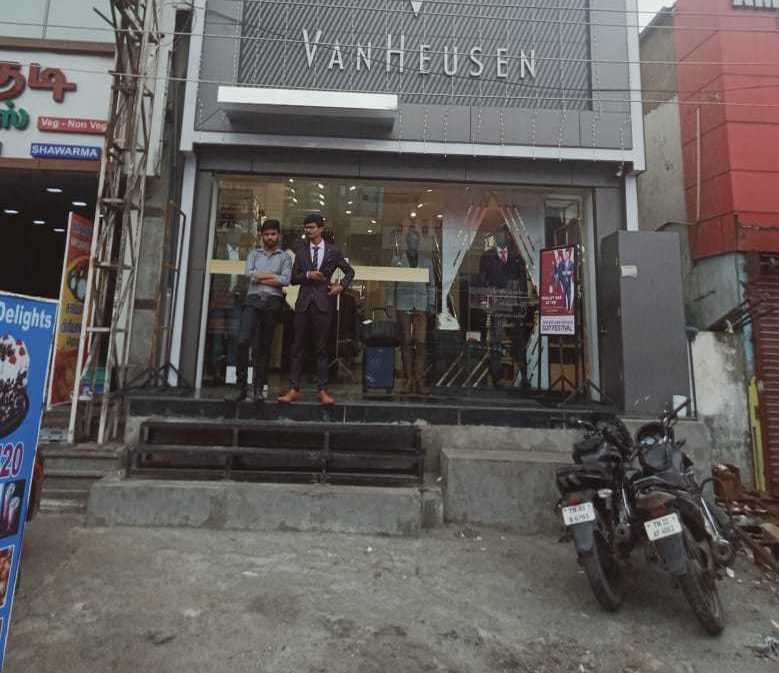
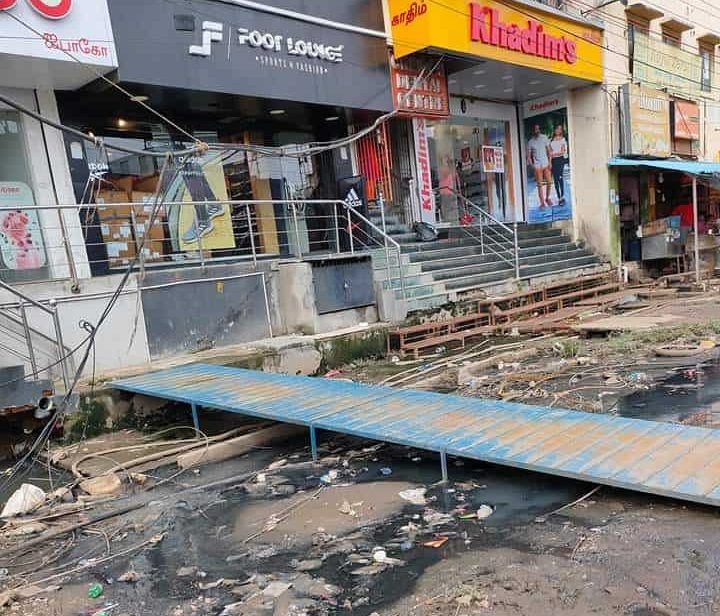
- Staircases or ramps are constructed on the edge of the properties, encroaching the pavement area on GST Road. This compels pedestrians to walk on the road, slowing down traffic

The staircase to enter the showroom is literally on the pavement of GST Road. Pic: S David Manohar
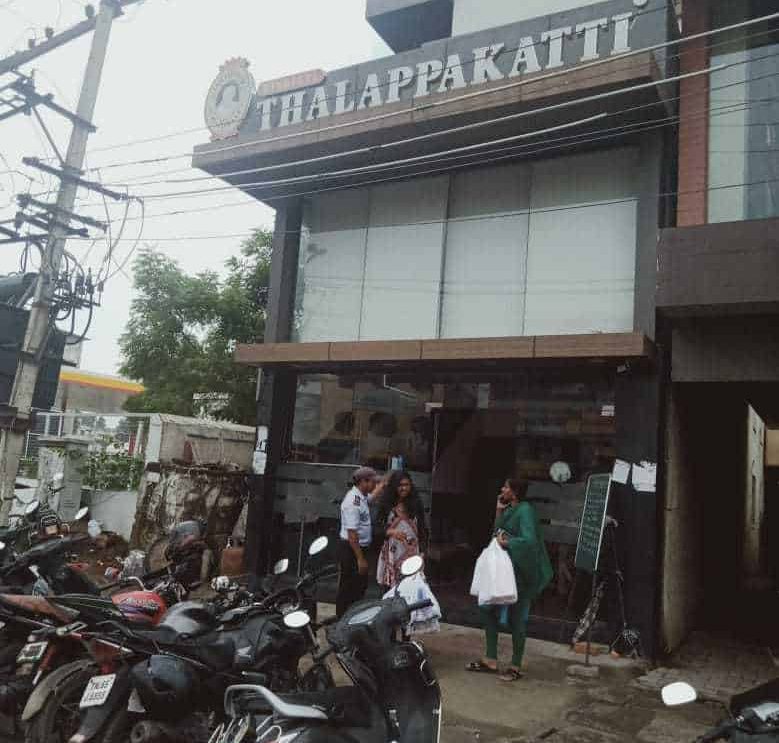
- A lot of restaurants have not allocated parking space for their customers. How did the traffic police give NOC to these establishments? How did various departments — highways, CMDA, traffic police — ignore the violation? A 2016 report said that the traffic police, in a bid to minimise on-road parking, had formulated a system whereby restaurant owners would be issued a no-objection certificate only if they could show that they have enough parking space for their customers.

A restaurant without a dedicated parking space. Pic: S David Manohar
- Many of these establishments have no proper drainage system. The sewer pipelines are connected to storm water drains, thus polluting fresh water bodies. Besides, for years, sewage has been overflowing on to the road, in front of Vettri theatre, forcing vehicle movement in a single lane. Even after a brief spell of rain, water flows from the western side of the GST Road into the eastern side, stagnating in front of the Chrompet police station and leading to a traffic standstill for more than two to three hours on the national highway.

Sewage overflows on the GST Road. Pic: S David Manohar
The highways department doesn’t monitor and periodically remove encroachments either on pavements or road space. The issue has been raised with the Pallavaram Municipality umpteen number of times . Years pass by and officials change, but the answer remains the same: “We will look into the issue.”
Clearly, looking into the issue has had no positive impact on the ever-worsening traffic problems on GST Road.
| Also read: |
They have given permission to Buhari, Unlimited, Pantaloons, Kalyan etc without any parking lot. Who is doing these kinds of stupid planning? The same will happen to Pallavaram Thorapakkam Road also. Very Poor planning