In part one of this series, we looked at how parking and riding vehicles on footpaths is hazardous to pedestrians, and the legal provisions addressing this. This article will explore the budgetary allocation to footpaths and the possible solutions to improving footpath infrastructure.
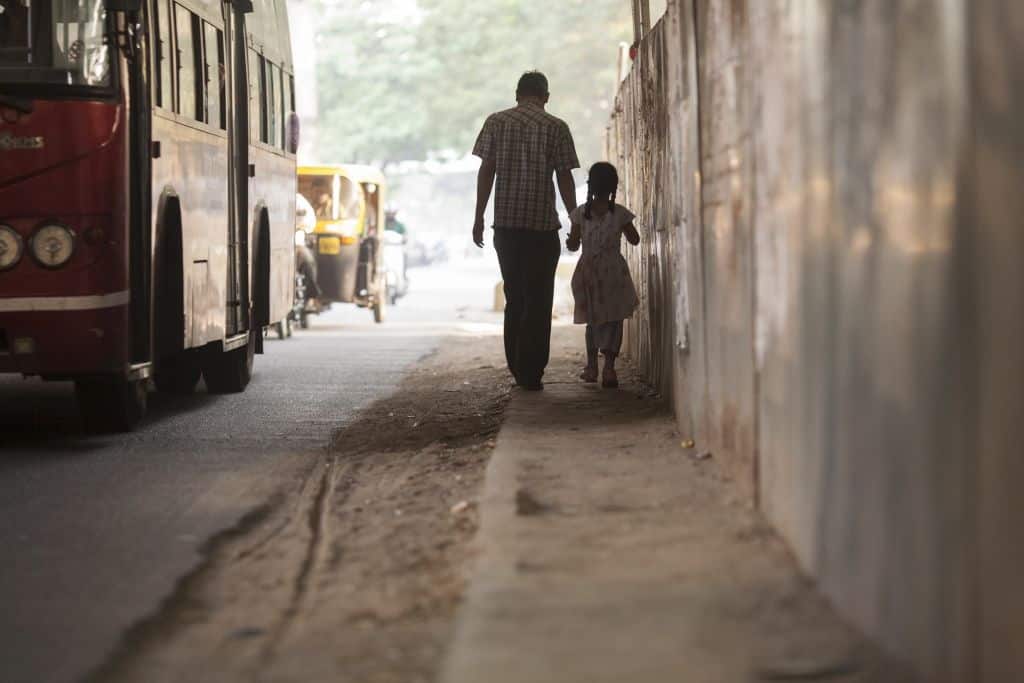
Bad footpaths invariably have a larger impact on certain vulnerable groups, like senior citizens, children and persons with disabilities. Infact, footpaths are never designed for pedestrians such as pregnant women, or women taking their newborn babies out on a pram, toddlers or senior citizens, eliminating the most vulnerable from using and accessing public spaces.
BBMP’s budgetary allocation for footpaths
The 7th MyCityMyBudget (MCMB) campaign, 2022 was conducted to obtain inputs from the public for the BBMP’s budget in 2023-2024. The survey received a total of 16,261 inputs with most residents of Bengaluru asking for better road infrastructure, footpaths, drain maintenance, among other things.
In 2023, BBMP’s budget did provide for pavement repairs, footpath maintenance and pothole fillings. The budget states that each ward would be provided with Rs 75 lakh, out of which Rs 25 lakh would be allotted for footpath maintenance. It also specifies that Rs 20 crore has been earmarked for the maintenance of flyovers, under bridges, and pedestrian subways. There has been absolutely no change as of date. However, BBMP’s previous budgets have also allocated funds for footpaths and pedestrians, but history reflects that there has been no improvement despite regular promises of making the city pedestrian-friendly, claimed as a priority for the BBMP.
Solutions at the ward level
There is a need to design cities with pedestrians at the centre of planning. The success of a footpath depends on how all activities are integrated without compromising on pedestrian mobility. Most importantly, one should recognise that it is not a warzone between cars and citizens, or between footpaths and roads. It is possible that both can co-exist.
At the ward level, ward committees can undertake regular inspection within their respective wards and ascertain whether the streets require repair, paying specific attention to footpaths and their usage.
There is a need to conduct a comprehensive assessment of the footpaths in the city to identify those that need change. Identifying these areas will help understand the primary cause and work on critical issues associated with them. This is a multi-level process.
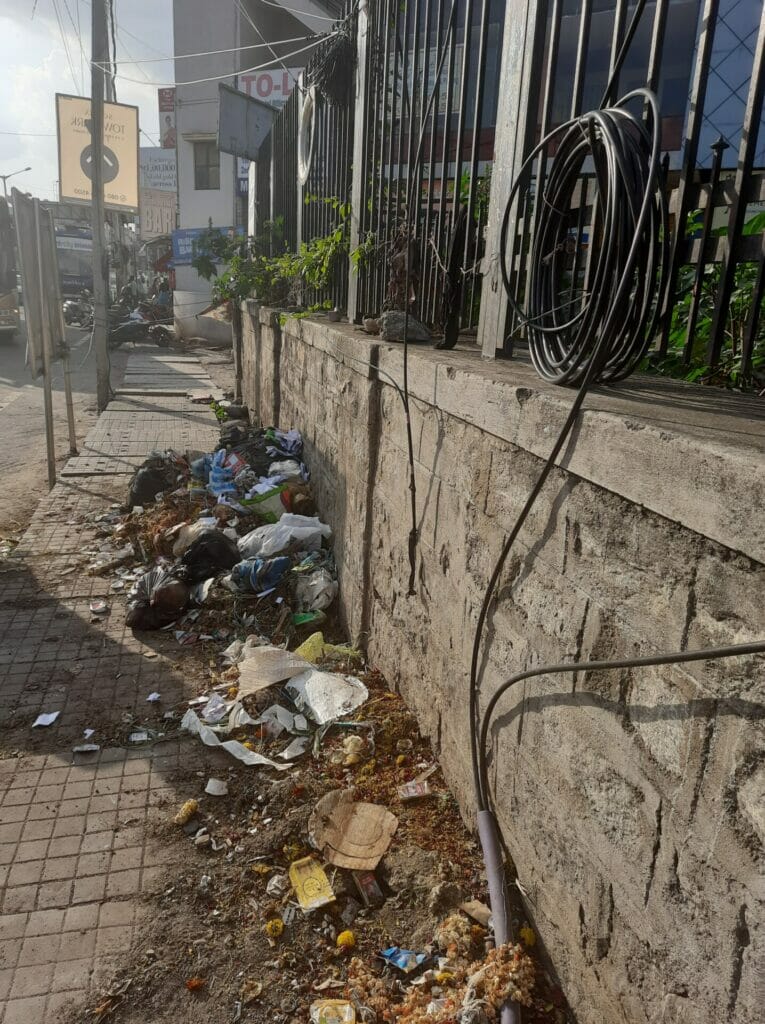
First, data must be collected to identify the condition of footpaths in the city. Such data should be able to reflect whether the footpath is broken, has garbage or debris on it and whether it requires change. This will then require immediate intervention from BBMP through repair/maintenance of the existing footpath network or construction of new footpaths. Additionally, there is also a need for an effective grievance redressal system that can act as a platform for citizens to report issues concerning footpaths.
The issue is that the focus is often limited to roads and mobility infrastructure to counter the ongoing traffic woes in the city. Pedestrians and footpaths often don’t feature in this priority list. While there is no dearth of laws, models, resources when it comes to planning of footpaths, what is lacking is the will to implement and improve upon these practices. It is imperative that the government invests in footpath infrastructure to ensure not just connectivity but also accessibility, specifically for the vulnerable populations.
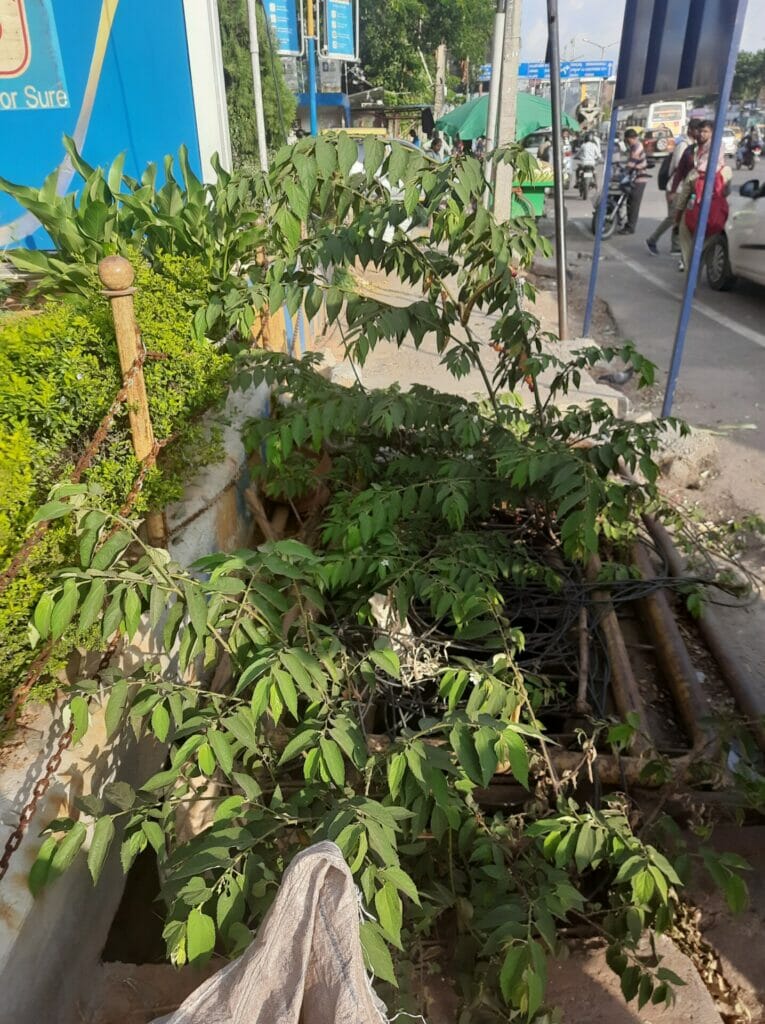
Pic: Sneha Priya Yanappa
As the pre-monsoon rains continue to create havoc in the city, the deaths reported reflect the poor road infrastructure in the city. While the process of auditing underpasses and roads is underway, it is time to also pay attention to footpaths, which can also create death traps for citizens.
Addressing the issue concerning footpaths can have many impacts desired for Bengaluru, such as reduction in encroachments on footpaths, reclaiming road space for pedestrians and an increase in sustainable mobility uses resulting in lower pollution. The idea of a walkable city is a far-off dream for Bengaluru, but this should not stop us from re-thinking and re-imagining the city, to ensure you, me and everybody can enjoy their fundamental right to walk.