Due to the threat of COVID-19, most of us are now opting to stay home rather than move about the city. Senior citizens and children especially, are the most vulnerable and have been advised to stay indoors for their own safety. But how long can one stay indoors without getting depressed and frustrated?
For those living in independent houses, gardening is a way to keep up their spirits. But not all independent houses can afford to have gardens, especially if the sites are small. In such cases, rooftop gardening could be the solution.
Take the case of my friends Phaneendra and Kamala. They built their cosy home on a 30’x40’ site which has no space for a garden. But they have designed a beautiful rooftop garden, utilising two-third of their rooftop space.
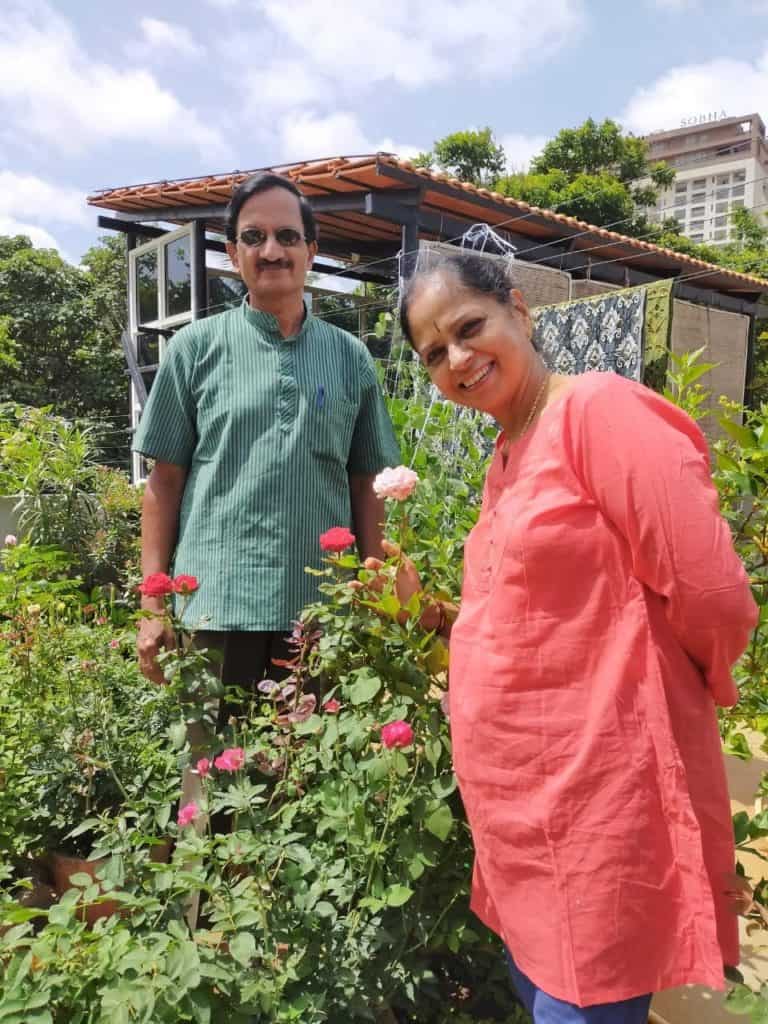
Phaneendra retired from Canara Bank last year and had undergone bypass surgery just before his retirement. He has been advised a strict regimen of exercise. So what better way to do this now than by spending time in his garden?
“I walk in my rooftop garden for an hour early in the morning, then collect flowers for puja and come down,” says Phaneendra. “After my bath, puja and breakfast, I visit the garden for some deweeding, cleaning up or harvesting. I also spend time in the garden in the evening, watering and just observing the plants, which is very soothing”.
Kamala takes care of planting new seedlings or sowing seeds, watering, manuring, deweeding, spraying insecticides and pesticides when required.
“I use kitchen and dining waste to make my own compost manure,” says Kamala. “I consult a retired professor of Agricultural University regarding the plants’ upkeep. He advised me to add epsom salt and a supplement of nitrogen, potassium and phosphorus (NPK) in very limited quantities. I spray pesticides very rarely, and even then in a very dilute form, in small quantities. That is why we keep watching the plants minutely every day, so that we can remove the sick leaves and get rid of harmful larvae physically.”
The garden yields jasmines of 8-10 varieties, roses of more than 20 colours and varieties, hibiscus of eight colours, sampige, and dozens of varieties of ornamental flowers.
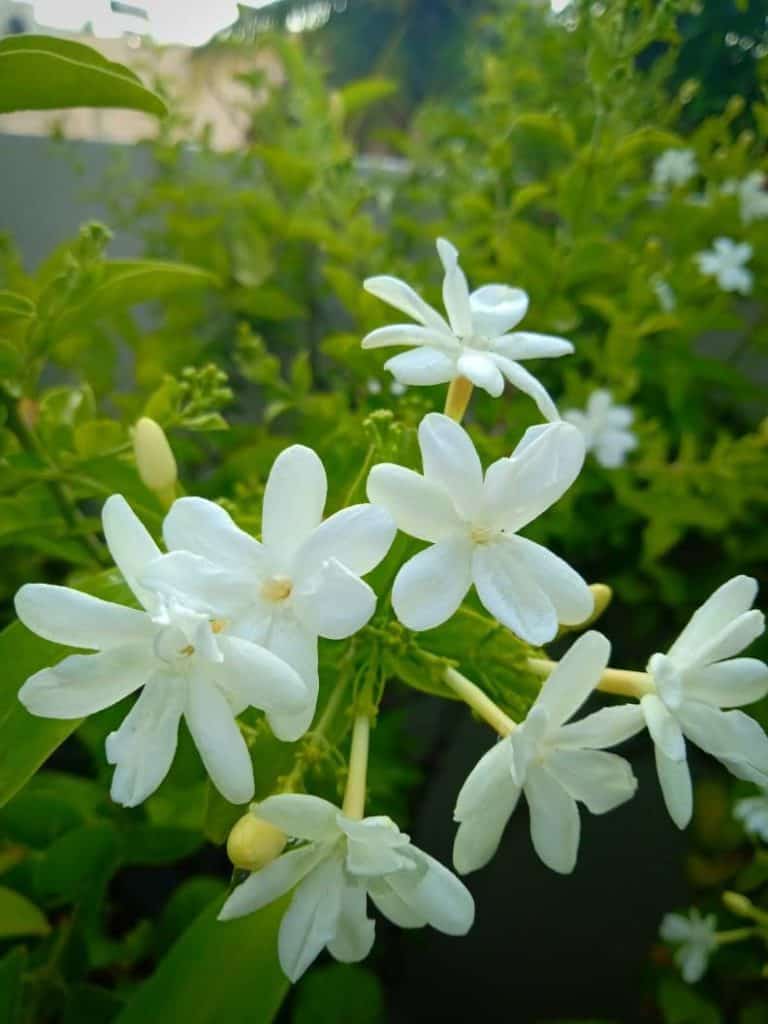
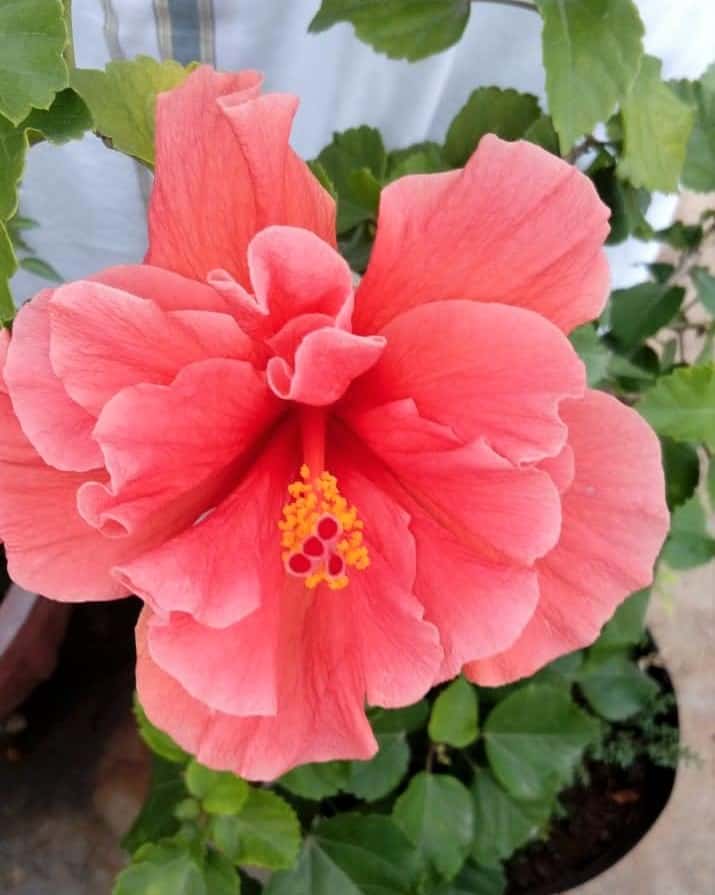
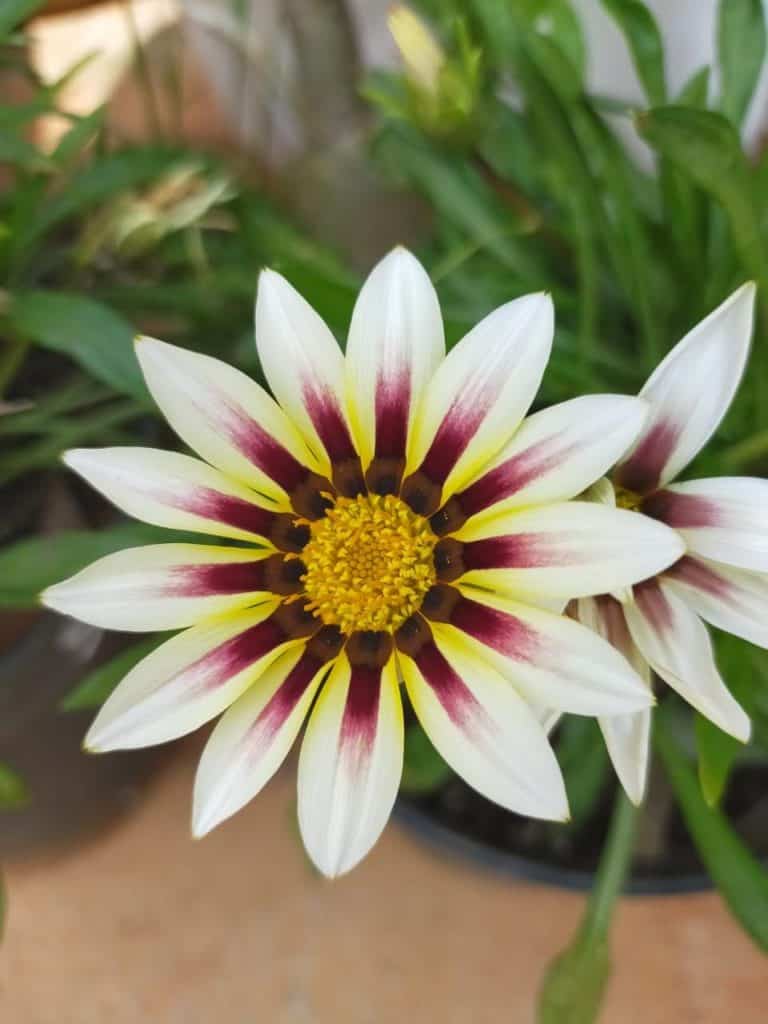
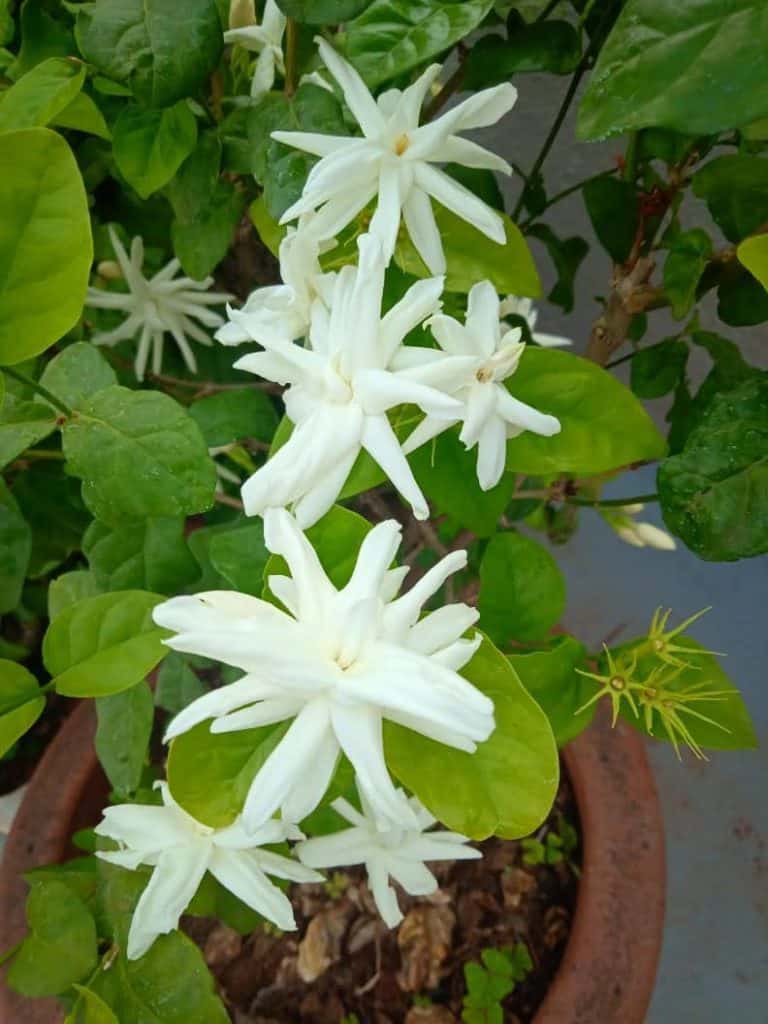
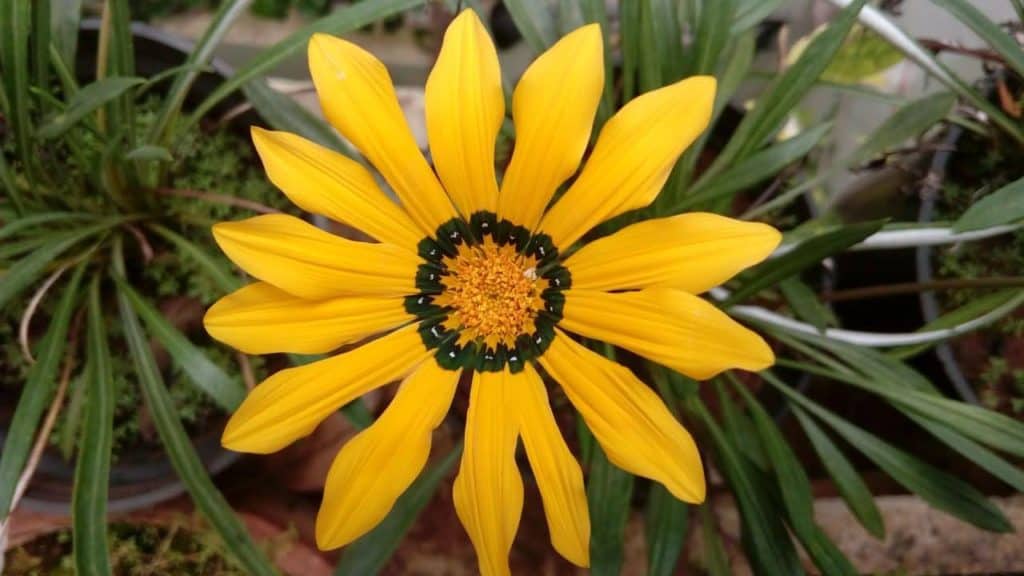


Besides, they grow many vegetables, fruits and herbs. Name it and they grow it in their garden – sapota, guava, star fruit, pomegranate, varieties of beans, avarekai, tomatoes, cherry tomatoes, thondekai, cabbage, cauliflower, pineapple, pudina, tulsi, coriander leaves, sweet potato, okra, brinjal, turmeric, ginger, varieties of greens, capsicum, chillies—the list is long. They even grow sugarcane!

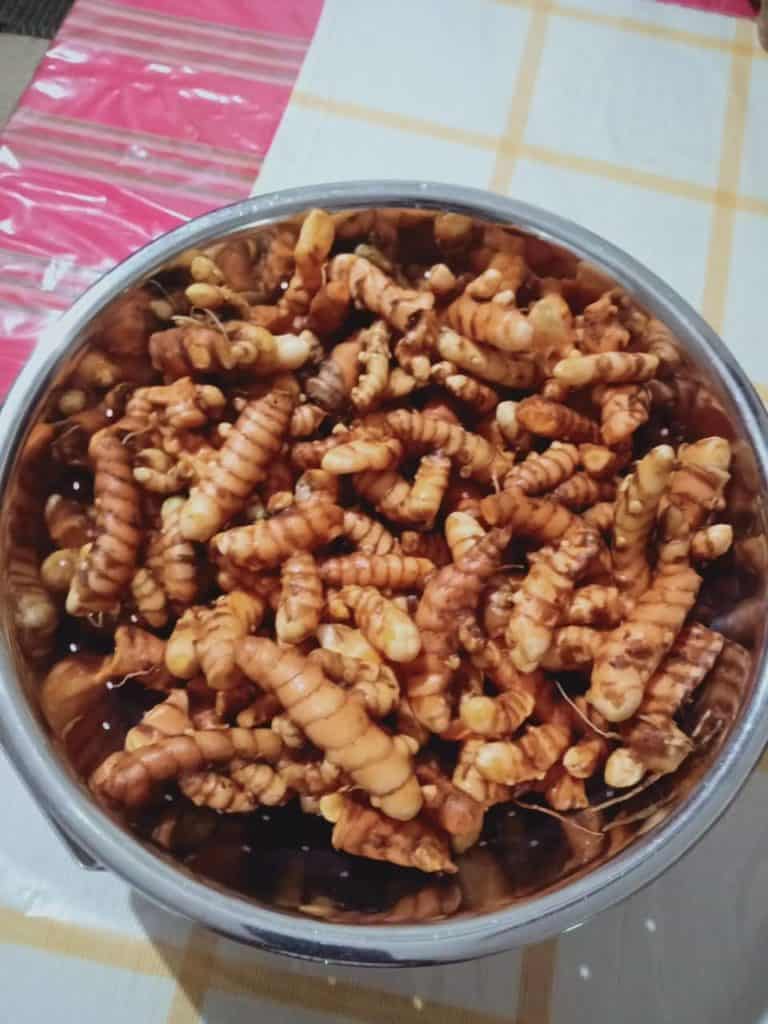

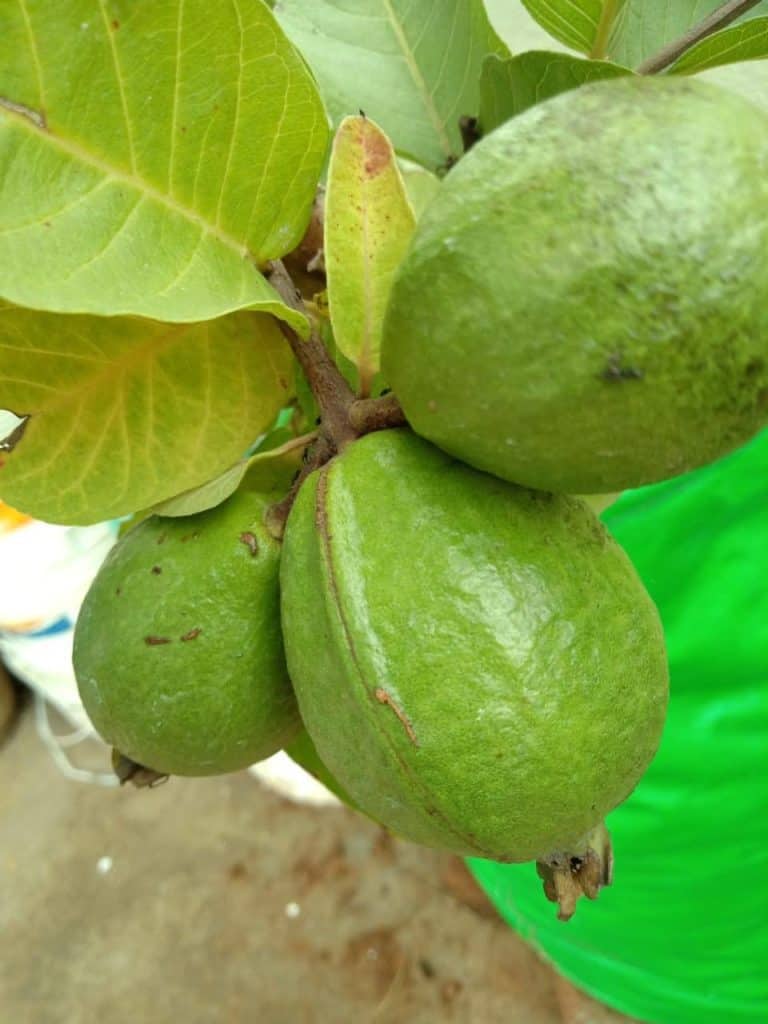
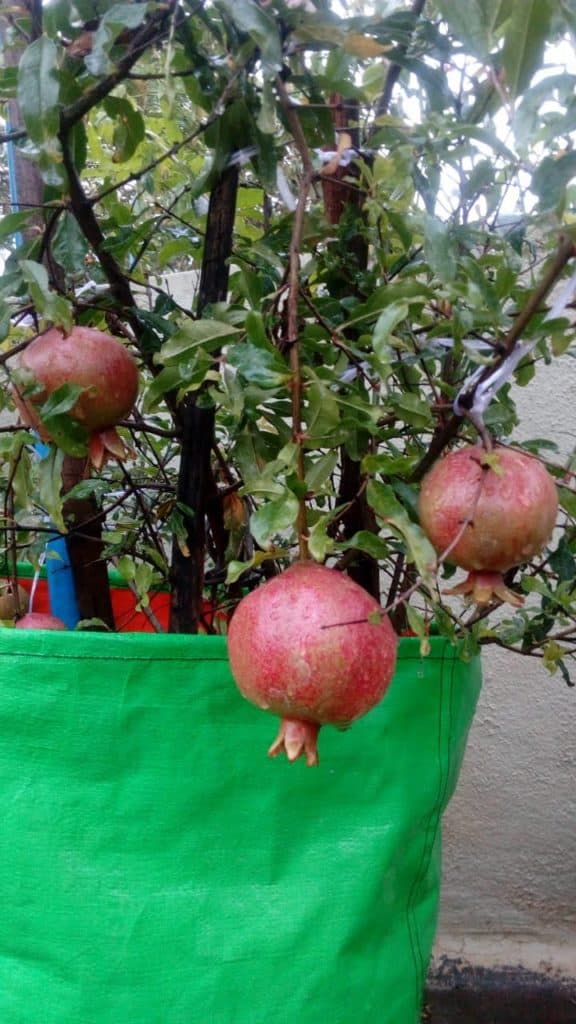
Is the harvest enough for their needs? Kamala says that they eat the vegetables and fruits grown in their own garden. “Every day, we get a small quantity of one or two vegetables.”
They also have 12-15 bonsai trees which are all 20-25 years old. Kamala says, “My friend taught me bonsai art and I adopted these trees in 2000.”
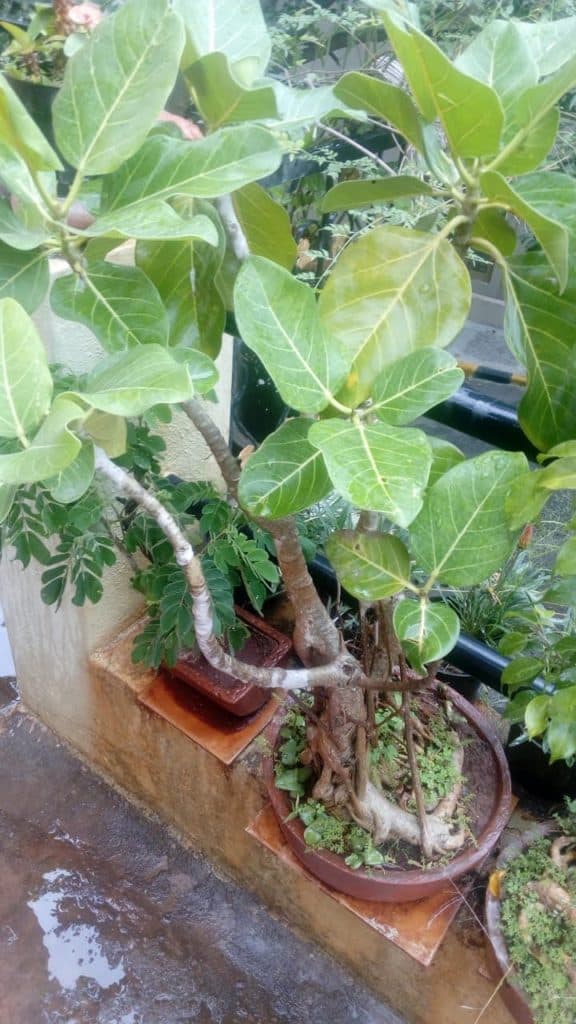
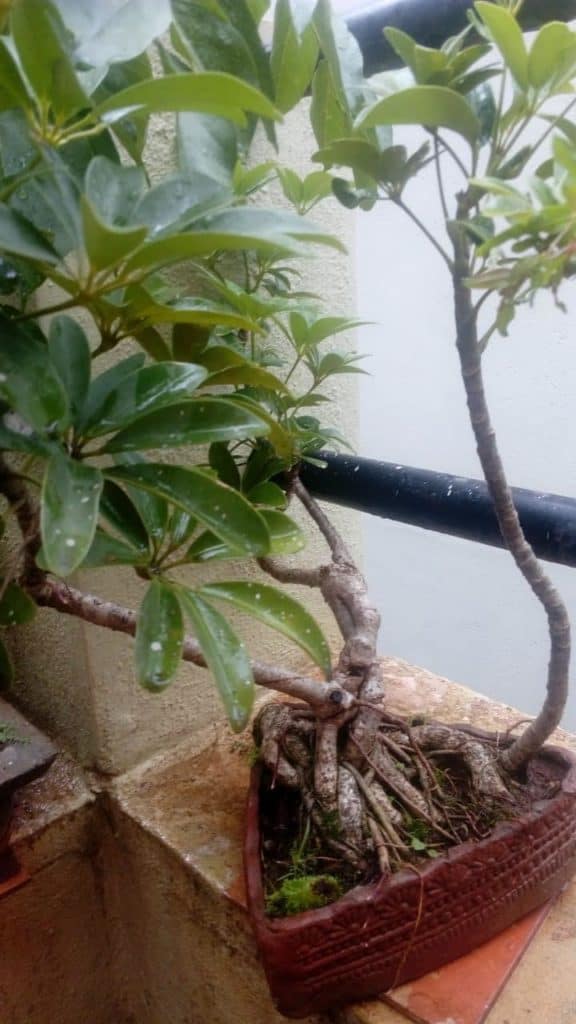
The couple use all types of containers for their plants – jute bags, used tin containers, clay pots, and so on. They love the job and find pleasure in doing everything on their own. “Deciding about what to plant, designing the garden, consulting and executing are all Kamala’s department,” says Phaneendra, “I support her in financing, deweeding, and physically assisting her in repotting, digging, watering, etc.”
In these depressing times when they cannot go out for entertainment or socialising, their garden is keeping these senior citizens happy, healthy and busy. “We don’t miss anything,” says Phaneendra, “In fact, we are happy to have got time to totally devote ourselves to our passion.”
He says, “Our sons and daughter-in-law work from home and our little grandson enjoys his time with us. It is such a healthy way of spending time for us and him. Plants are an amazing company, wherever they are – in your garden, in the park or in the forest. Thankfully, we are able to spend time with nature on our own rooftop.” Also, since the garden is on the rooftop, there is no menace of rats or bandicoots.
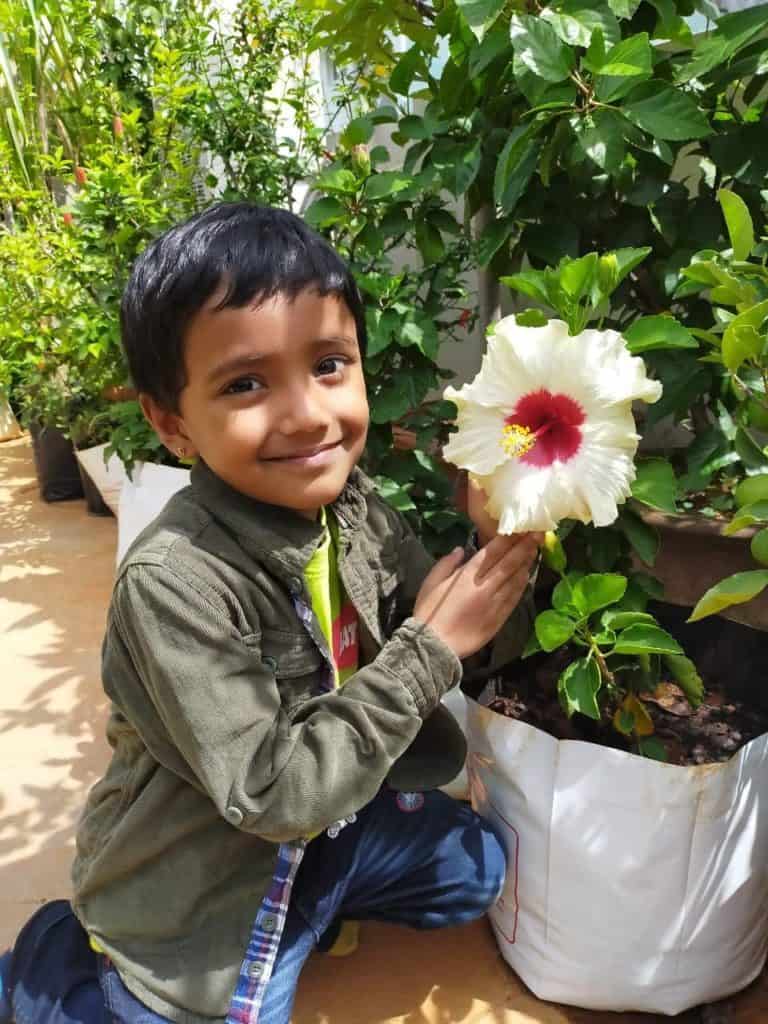
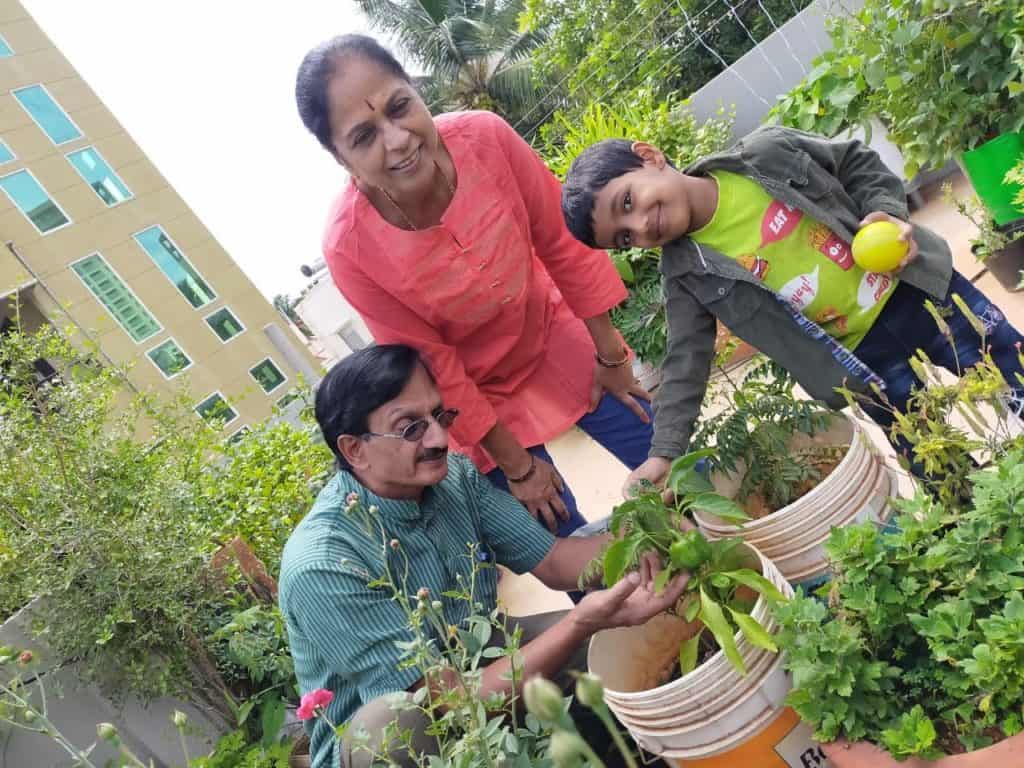
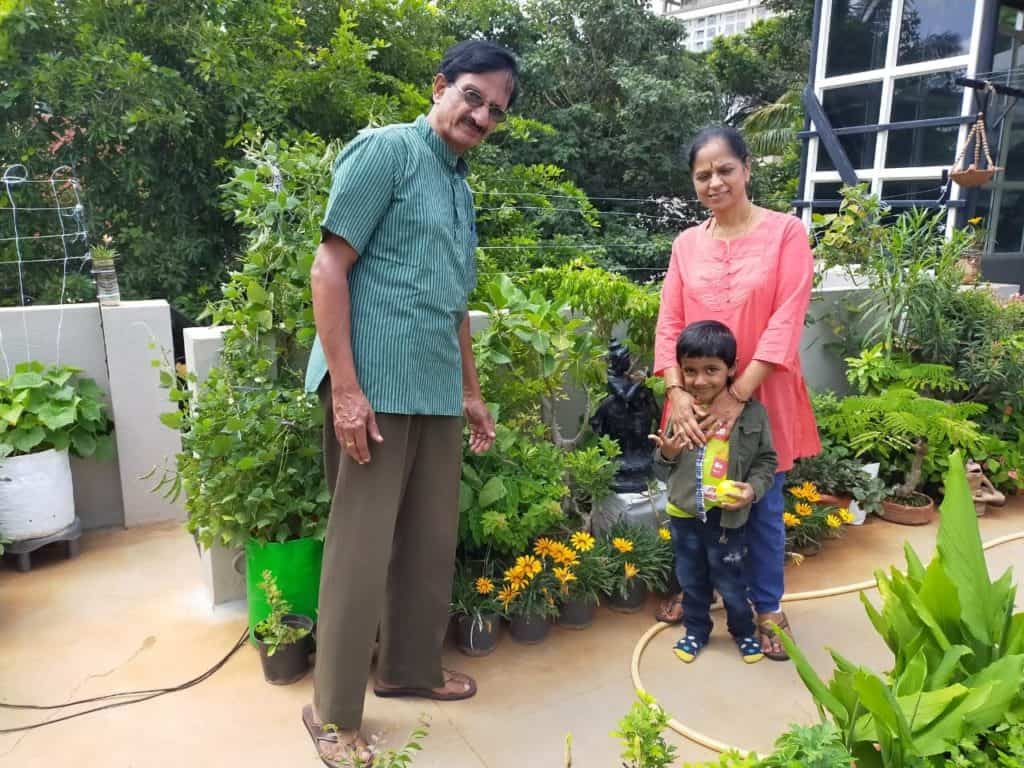
Wish more families adopt this hobby, especially so that young children, who are getting bored without schools now, can spend their time in a healthy, useful manner.
Also read
► Eight things you must know about insurance policies covering COVID-19 treatment
► Indoor walks, online meetings and more: How a senior citizen is beating lockdown monotony
► “Middle-class senior citizens left in the lurch during lockdown”
► Help for senior citizens during COVID-19 lockdown
Very good article. Gives immense confidence to go with soil. A good narrative can be seen from the face of the gardener’s smile. Variety of Plants showed I’d tempting.
Very nice article.Mr.phaneendra sir, can contact me for any suggestions on ORGANIC KITCHEN & TERRACE GARDENING.Dr.HALALINGAIAH, HORTI.CONSULTANT & CROP ADVISER.
We are beginning to start kitchen gardening in a few days. Kindly post useful tips for the same. We are the beginners.
Hello Mr Huzoor,
You can find tips for gardening in our recent article: https://citizenmatters.in/how-to-grow-your-own-food-in-a-city-19333
Regards
– Ed