Birds in traditional art form: How a Bengaluru birdwatcher celebrated Navaratri

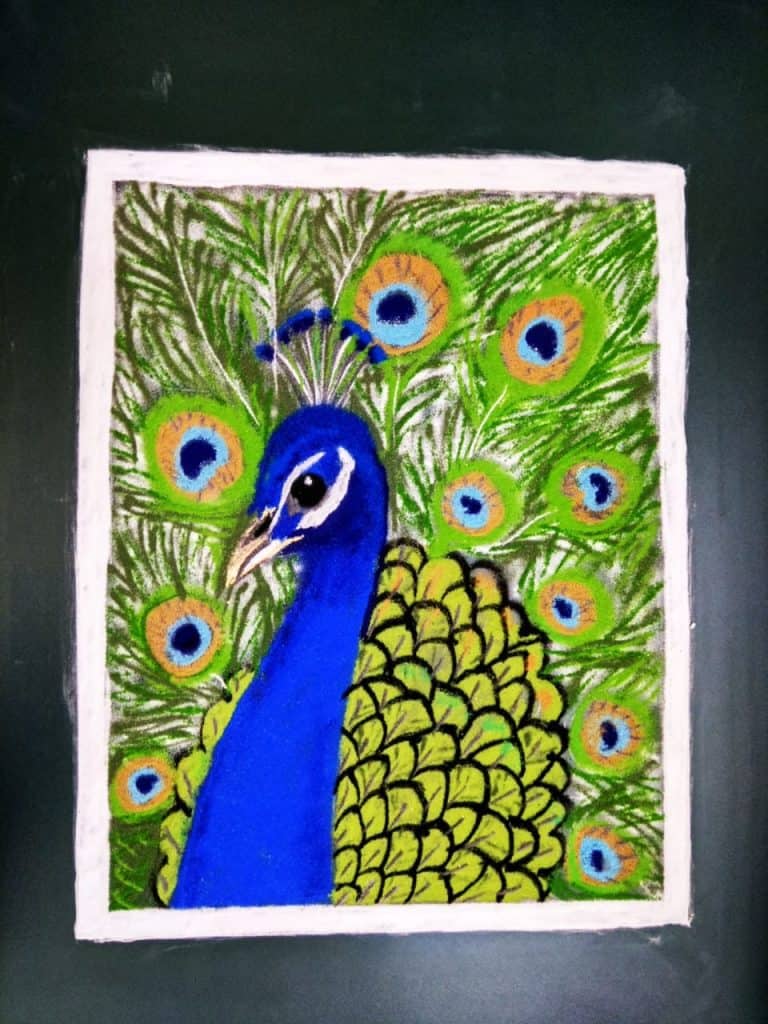
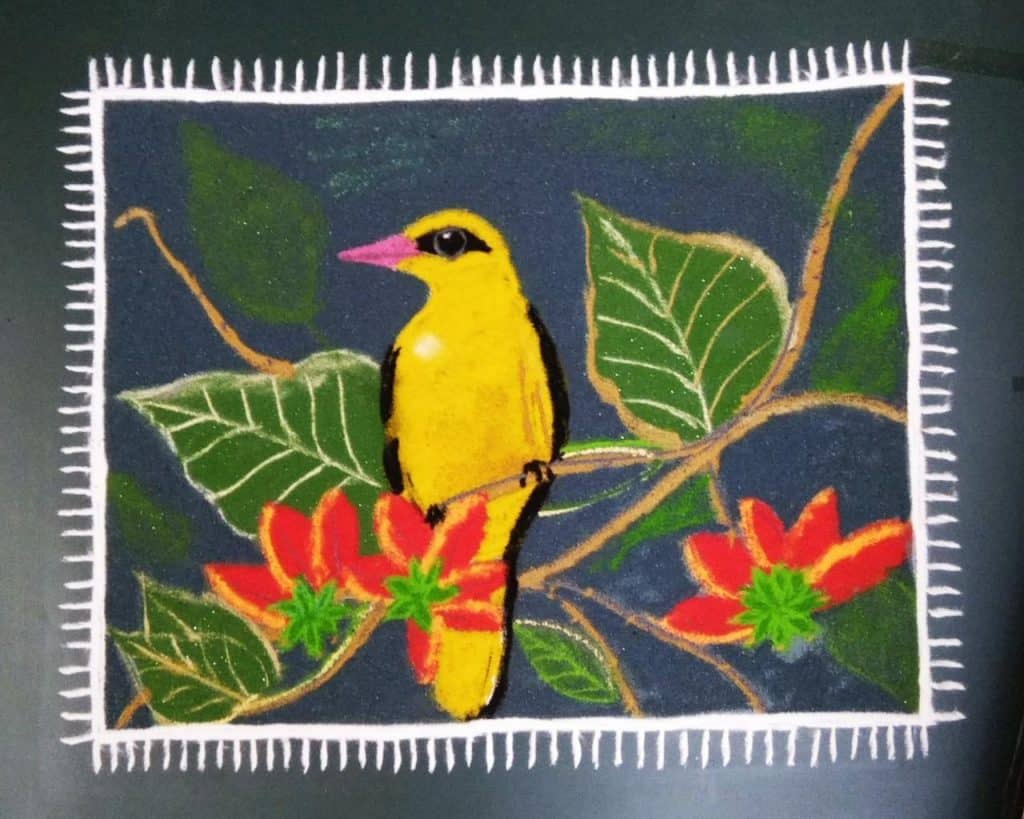
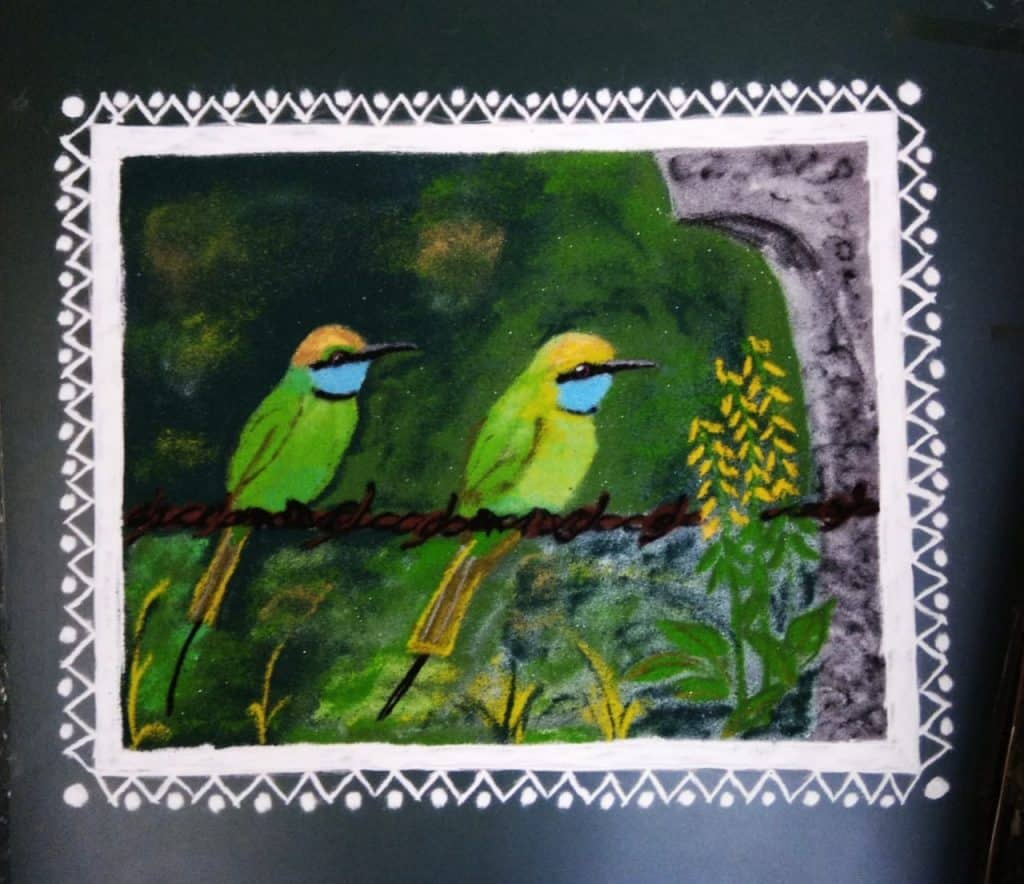
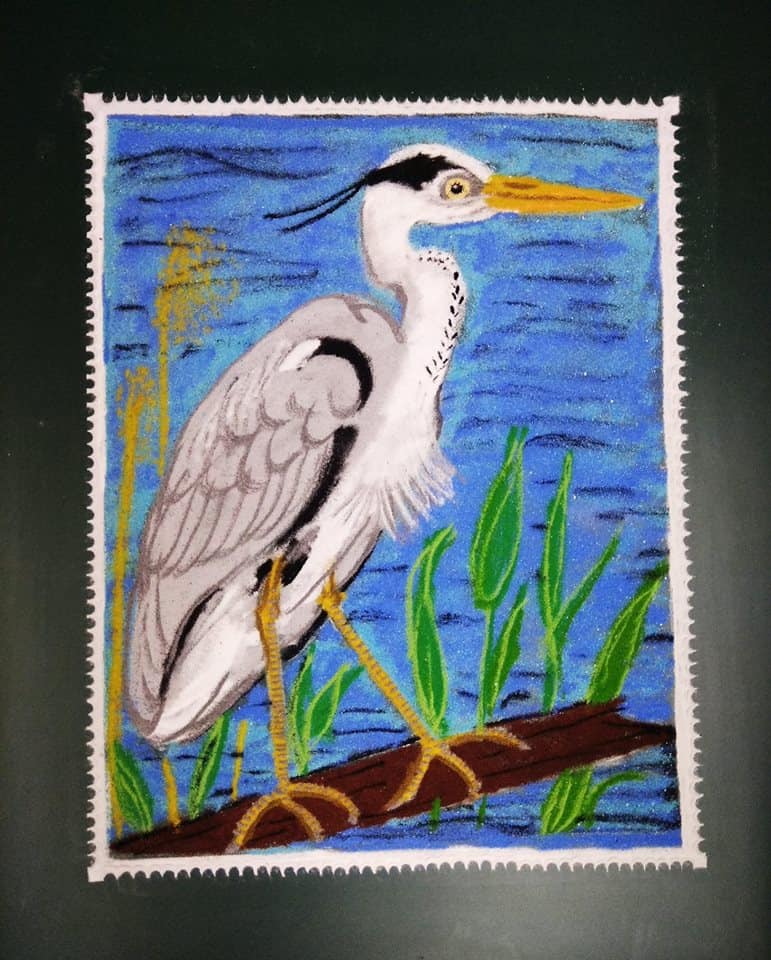
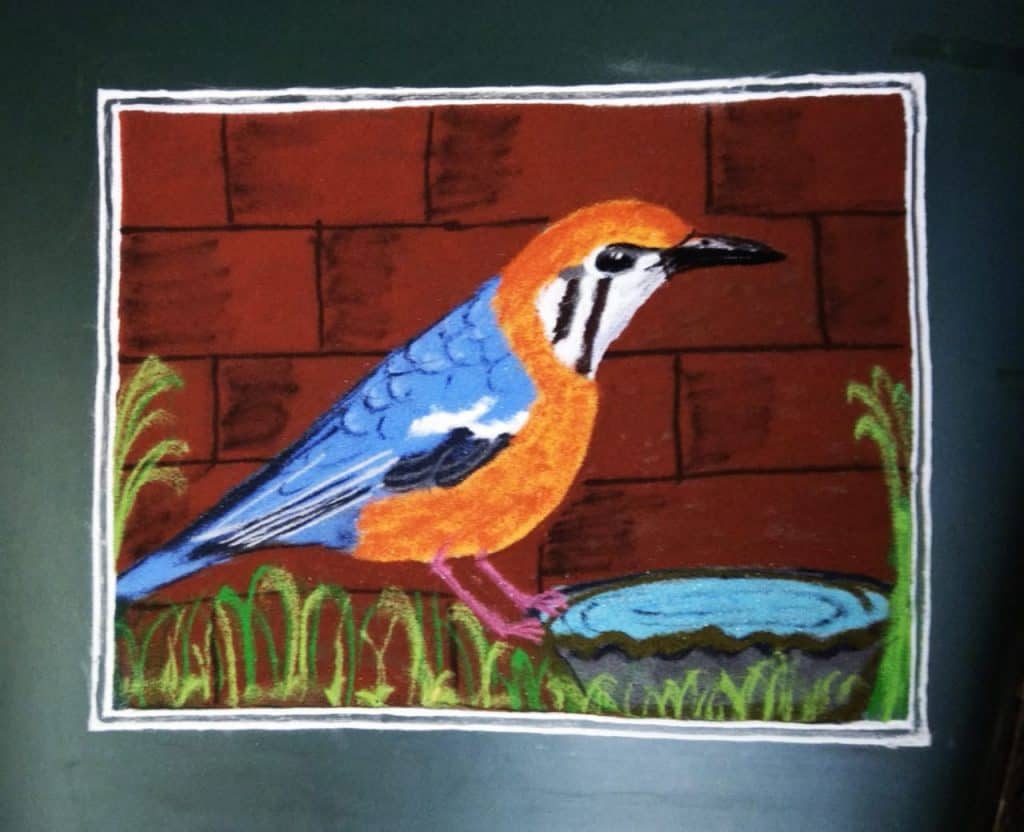
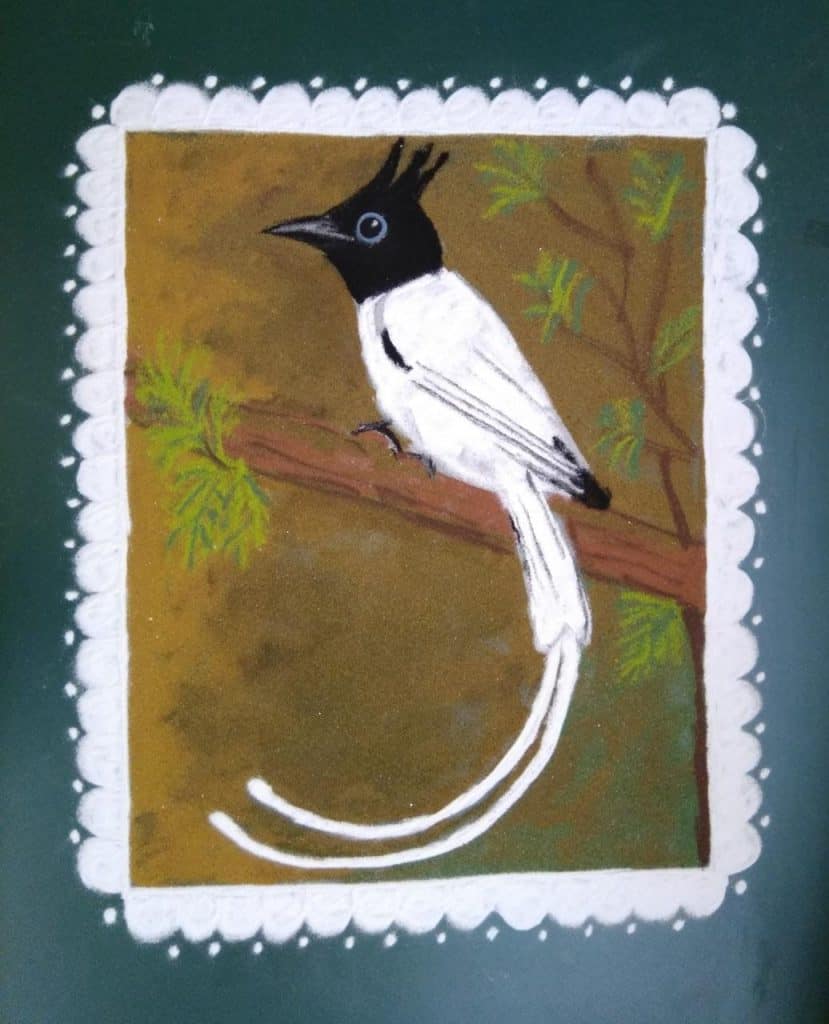
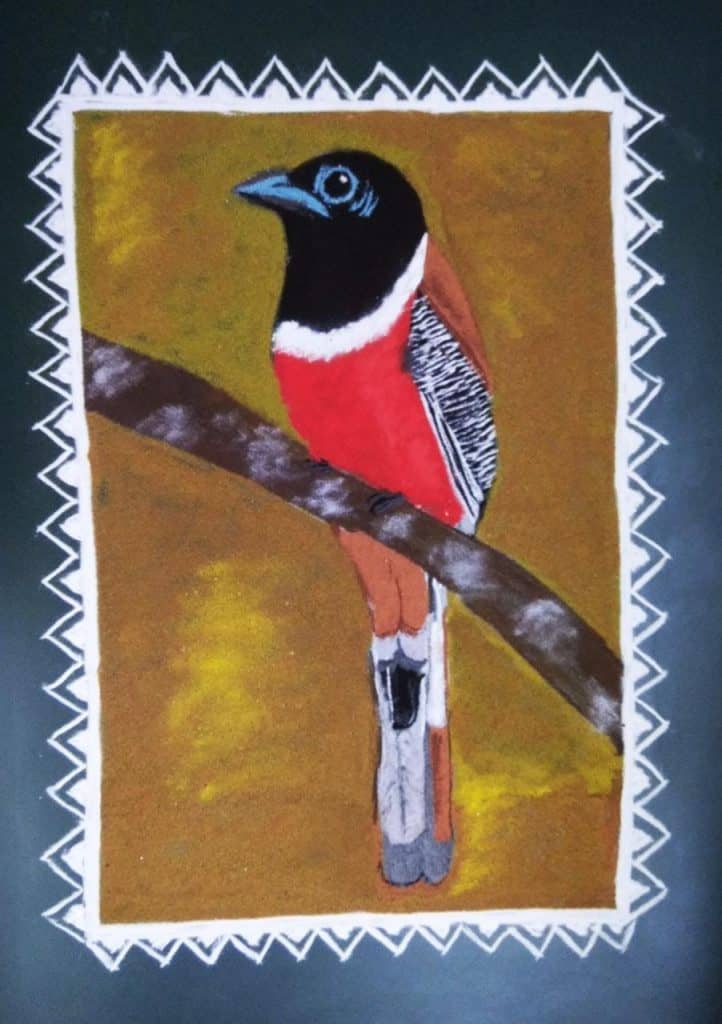
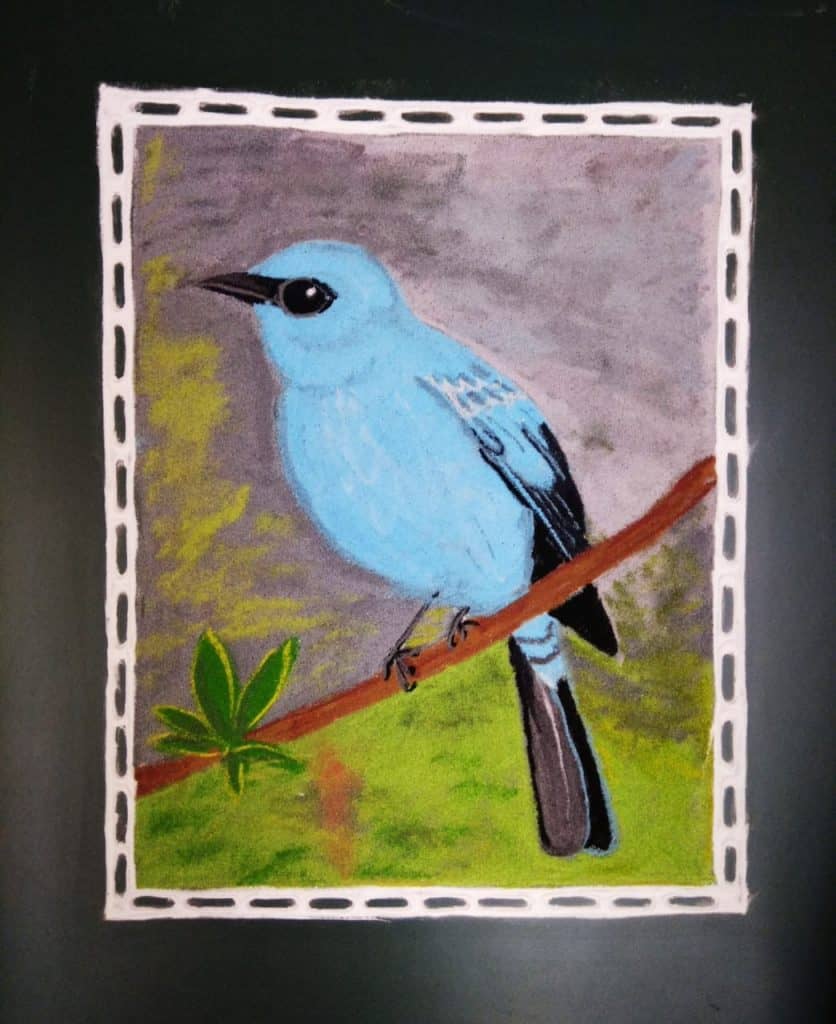
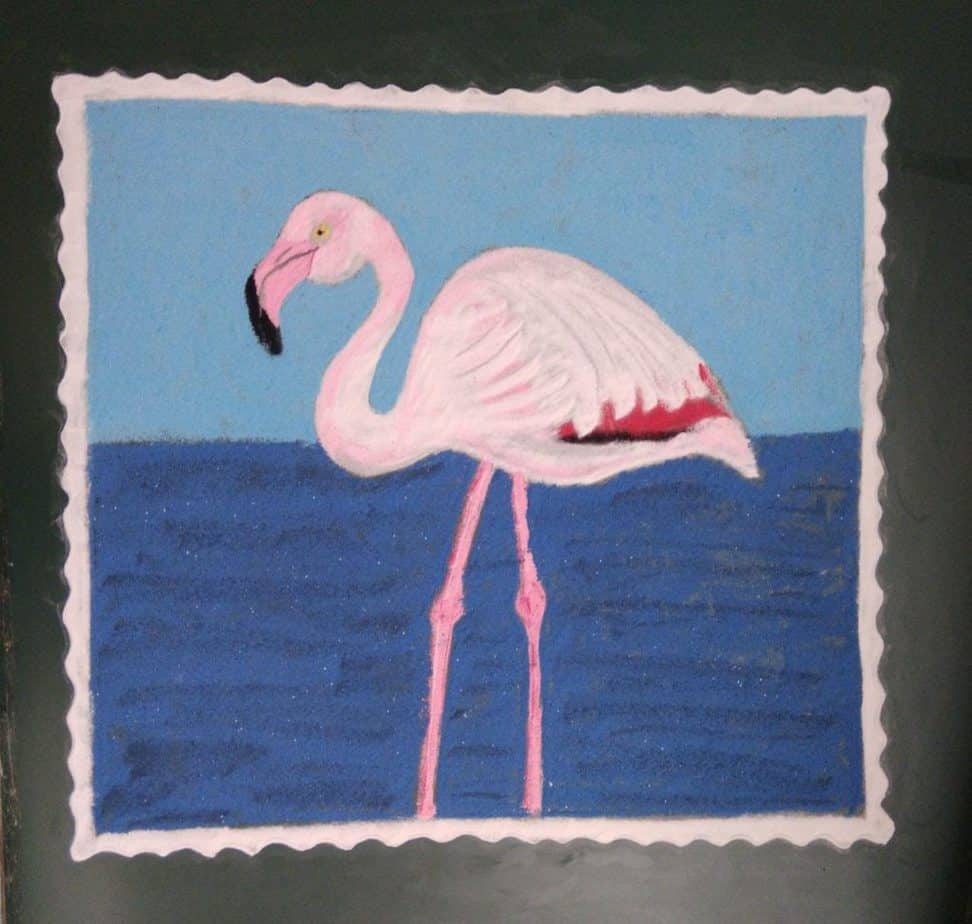
Take a look at this stunning display of a traditional art form as Vidhya Sundar of Bengaluru celebrated each day of Navaratri with a wild bird rangoli outside her apartment.

Many of us have seen birds depicted in sketches and paintings, but Vidhya Sundar of Bangalore decided that her passion for birdwatching would find expression in another traditional art form…that of rangoli.

Last year, Vidhya had made rangolis of birds for the month of Margazhi (Dec 15 to Jan 15) when all kinds of rangolis and kolams are created. Her success with the art encouraged her, this year, to follow the colour chart prescribed traditionally for the nine days of the festival. She selected the birds that would follow the colour scheme, and also chose elements from various photographs from the net that would allow her to depict these birds accurately.

Each rangoli took about two hours to create, and she made each after the day’s work was done, and the area in front of her apartment was without disturbance. Depicted are:

Prathama: Royal Blue: Peacock
Dwitiya: Yellow: Golden Oriole
Trithiya: Green: Green Bee-eater
Chaturthi: Grey: Grey Heron
Panchami: Orange: Orange-headed Thrush
Sashti: White: Indian Paradise Flycatcher
Sapthami:Red: Malabar Trogon
Ashtami: Sky Blue: Verditer Flycatcher
Navami: Pink: Greater Flamingo

You can see her creating one rangoli, in the time-lapse video created by Jayashree Govindarajan, here:

An interesting feature about this form of art is that it is ephemeral; Vidhya wipes out the previous day’s rangoli to make the next one!

Leave a Reply

Your email address will not be published. Required fields are marked *

Similar Story

Safety still out of reach: Everyday struggles of women with disabilities

Women with disabilities face increased risks in public and private spaces because of consent violations, unsafe surroundings and neglect.

Every morning, Samidha Dhumatkar travels from her home in Mumbai’s western suburbs to Churchgate, where she works as a telephone operator at a university campus. Her journey involves taking a rickshaw, boarding a train, and walking to her workplace, similar to thousands of other Mumbaikars who commute daily. However, as a person with a visual disability, Samidha’s commute is fraught with threats to her safety. In their book, Why Loiter? Women and Risk on Mumbai Streets, writers Shilpa Phadke, Sameera Khan, and Shilpa Ranade, argue that spaces are not neutral. Moreover, they are not designed equally. “Across geography and time,…

Similar Story

India’s stray dog debate puts the nation’s conscience on trial

Street dogs spark a national test — will India choose compassion or fear as law, humanity and coexistence come under strain?

At the heart of a nation’s character lies how it treats its most vulnerable. Today, India finds its soul stretched on a rack, its conscience torn between compassion and conflict, its legal pillars wobbling under the weight of a single, heartbreaking issue: the fate of its street dogs. What began as a Supreme Court suo moto hearing on August 11th has morphed into a national referendum on empathy, duty, and coexistence, exposing a deep, painful schism. Two sides Caregivers and animal lovers: They follow Animal Birth Control (ABC) and Catch-Neuter-Vaccinate-Return (CNVR). Their goal is to reduce dog populations and rabies…