Baobab tree is historical to Mumbai, but residents are unaware of their omnipresence. One man took up the challenge to document them.
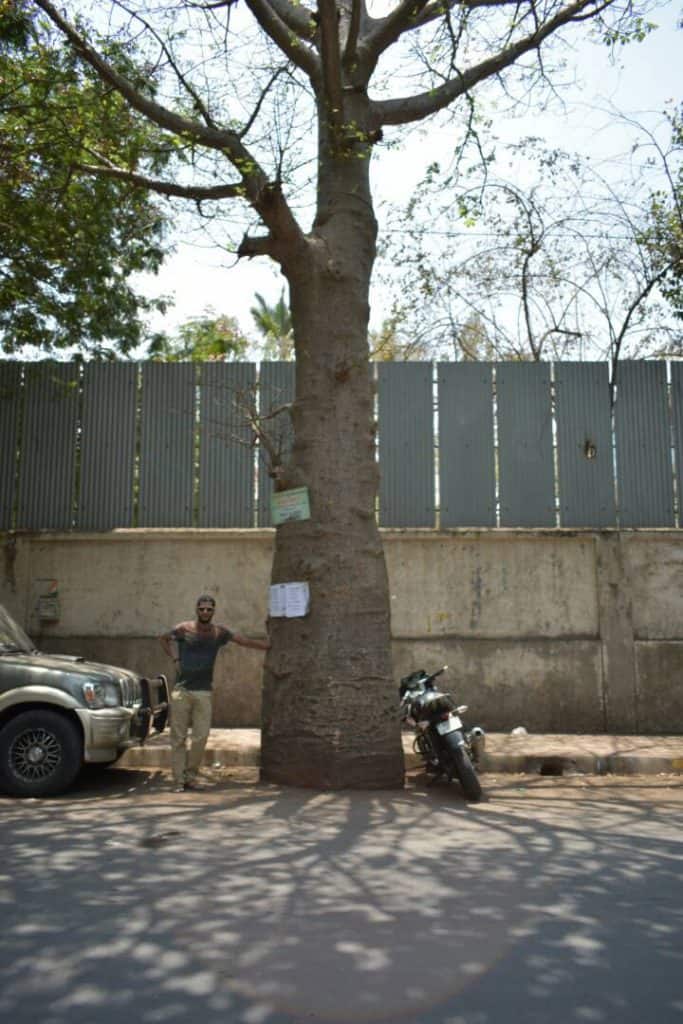
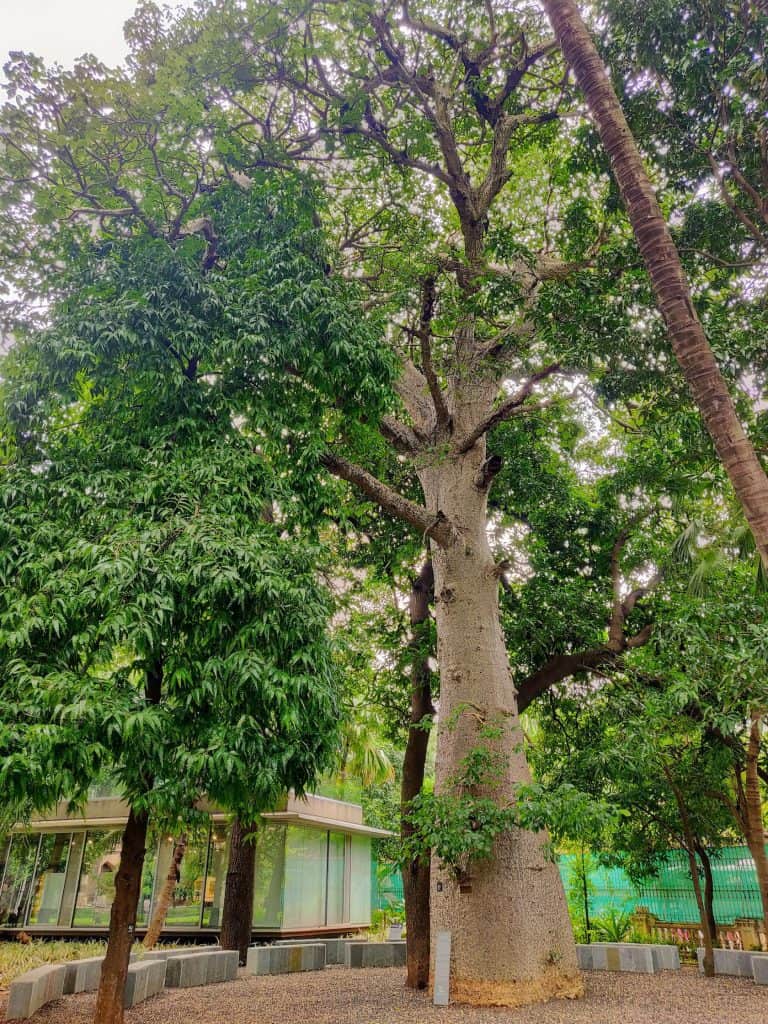
Baobab trees are defined by their swollen base and long height. Pic: Zico Fernandes
I knew of the Baobab tree as a massive tree somewhere in Africa, but little did I know that for most of my life in Bombay, I had been living among these gentle giants. Both the colleges that I studied in had a Baobab tree within 300 meters, but I never noticed them.
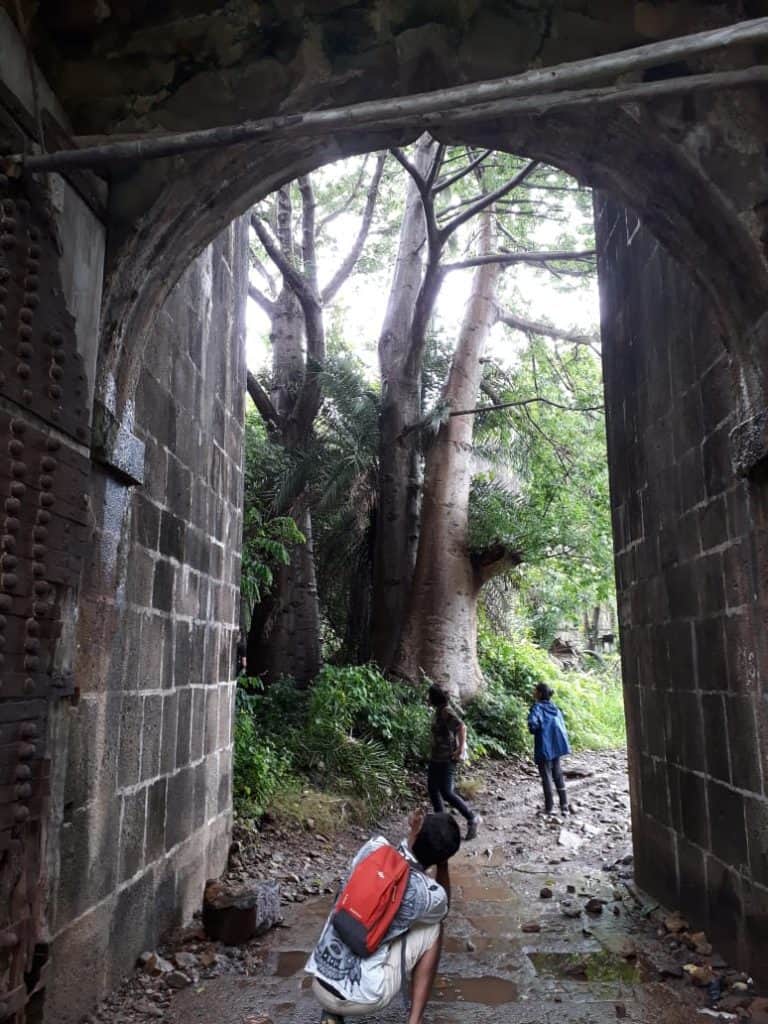
“If a Baobab spoke, man wouldn’t understand!” This phrase displays the profound nature of the trees and their existence that has surpassed centuries. Pic: Zico Fernandes
Originally from Madagascar, Africa, the Baobab trees are defined by their swollen base – with a girth upto 36 ft – and height – up to 98 ft – and live a remarkably long life. I was inspired to advocate for the trees in Mumbai after an article highlighted a Baobab that was attacked by miscreants in 2014, and since 2017, I’ve been discovering and documenting Baobab trees in Mumbai – through an Instagram account – and have been featured in Mid-day and Hindustan Times.
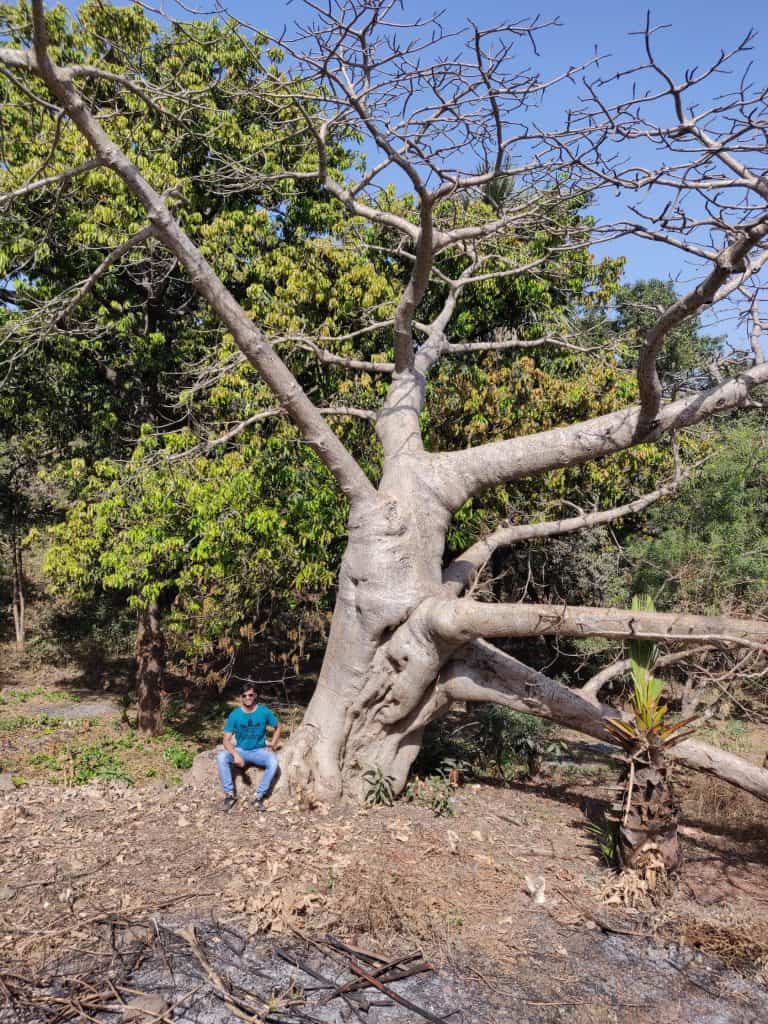
The Baobab plays an important role in the environment, medicine and the circle of life. Pic: Zico Fernandes
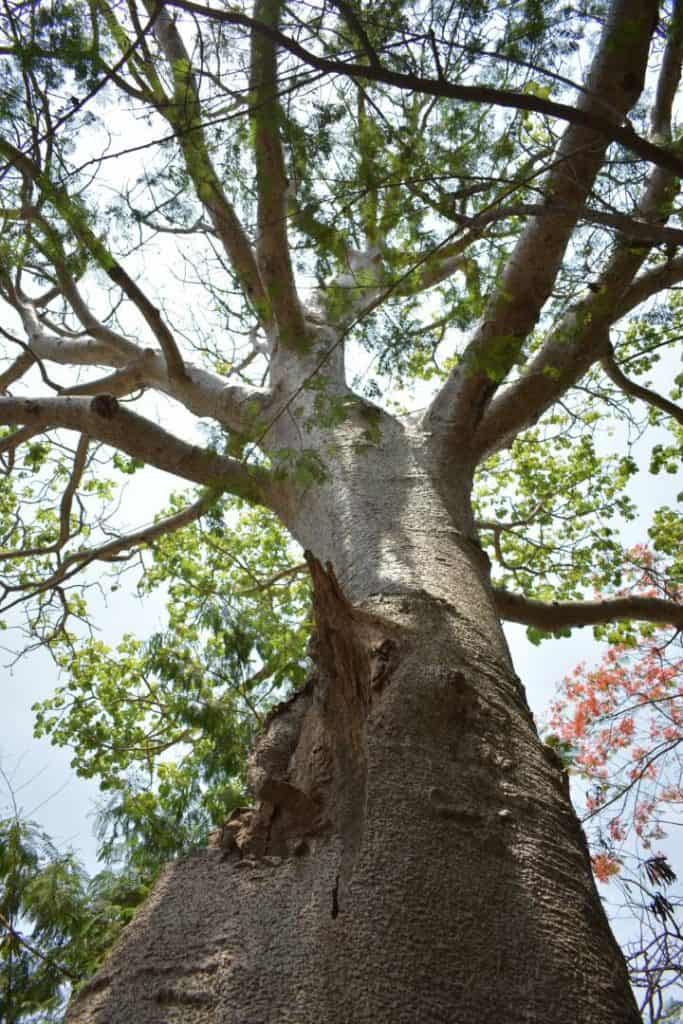
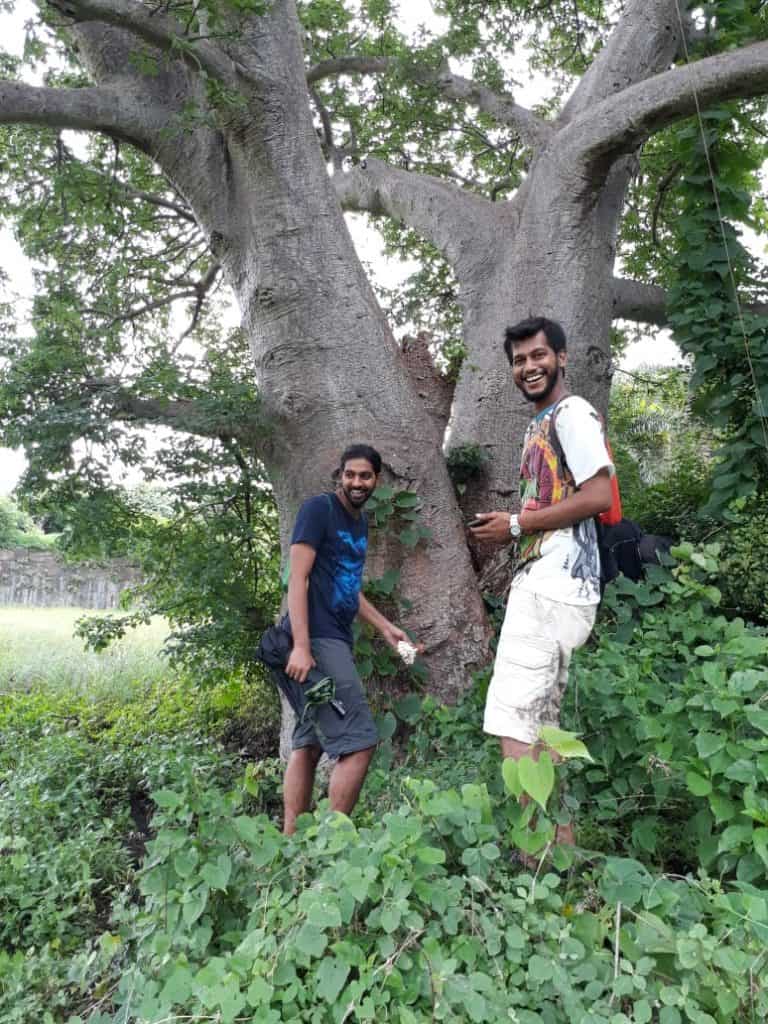
I started my Instagram account to write about each tree that I visit in Bombay. I would start my journeys to scout for trees on Sundays so I could ride around easily and avoid traffic. Pic: Zico Fernandes
I have documented 30 odd trees on my Instagram account but I have heard that Bombay has around 120 of these scattered all over. I am no botanist, I have this account because of my love for this tree. Pic: Zico Fernandes
I want people to know how lucky Mumbai is to have so many Baobabs around the city. The city is so fast paced that these beautiful trees are often ignored, but Mumbai is probably the only metropolitan city to house so many Baobabs. Pic: Zico Fernandes
I plan to start a Baobab takeover on Instagram since I am not in the city for a few months. Followers from Bombay can take over the account for one day, visit a Baobab that they know and post on the account themselves. Pic: Zico Fernandes
Barriers built for the Mamallan Reservoir block Buckingham Canal water flow, vital to keep the wetland alive, avoid floods and sustain fishing families.
In Chengalpattu district, the main water channels of the Kovalam-Nemmeli coastal wetland, which drains a catchment of more than 270 square kilometres, have currently been blocked. Barriers that obstruct water flow have been built across Chennai's Buckingham Canal at three places: Thiruvidanthai-Vadanemmeli, near the Nemmeli-Thiruporur bridge, and Saluvankuppam. Earlier, we explored how the Mamallan Reservoir causes serious damage to the wetland’s ecology and how fishing livelihoods are affected. Field investigations by the Wetland Conservation Network have recorded the blockages preventing tidal exchange in the Buckingham Canal. According to officials, these barriers were put up to enable construction of the Mamallan…
Mumbai's landscape is changing with big infra projects. Experts suggest better use of government plots and improved street design to retain green cover.
Long before Mumbai’s relentless summer even began this year, the city was already simmering. In March, Mumbai was hit by a severe heatwave, with the temperature reaching a five-year high of 40° Celsius. As rapid urbanisation and a flurry of infrastructure projects replace dense tree cover with steel and mortar, heatwaves seem to have gone from being rare occurrences to an annual threat. The Mumbai Metro Rail Corporation Limited (MMRCL) cut a whopping 3,093 trees in Aarey Colony to make way for Mumbai’s Aqua Line ( Metro 3). For environmentalist Stalin Dayanand, this is not just a temporary problem.…