September 29th is observed as world Heart day. Cardiovascular diseases causes at least 17 million people deaths annually.
Heart attack typically occurs when blood supply to heart is blocked. If the blockage is temporary, it results in chest pain or ‘Angina.’ If it is prolonged and irreversible, it leads to death of heart muscles, and is called heart attack. It can and does lead to death in a significant number of cases, if immediate treatment is not provided. It is estimated that 50 percent of all deaths due to heart attack occurs in first hour.
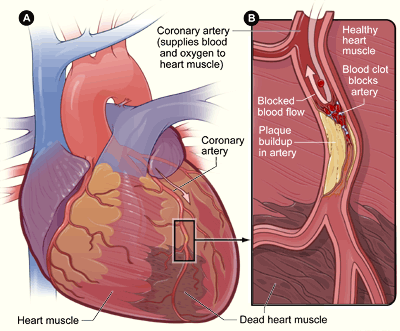
Pic courtesy: Wikimedia commons
It is therefore imperative to understand the risk factors associated with heart attack, and check whether you are at risk or not. The most important risk factor, which cannot be modified, is ‘genetic.’ South East Asians, and that includes Indians, are genetically much more predisposed to heart disease than other individuals.
Tool to assess if you are at risk.
You can check on the link : Framingham Heart study and use the interactive tool.
In addition, obesity is significantly associated with this disease. More so because it leads to other risk factors like diabetes, hypertension, hyperlipidemia (high blood cholesterol levels) and decreased activity.
Your chances of getting a heart attack are significantly increased, if you are a smoker. Contrary to popular perception, alcoholism also contributes to your risk.
What can you do to reduce your risk?
Genetic predisposition, is something you cannot fight, but there are other risk factors that you can pay attention to.
- Quit smoking.
- If you are obese or overweight, consult your physicians. Losing weight is one single intervention which can help control diabetes, blood pressure, and a host of other problems.
- Regulate your diet. Cut down on junk food, aerated drinks, alcohols, chips, peanuts, salt, sugar and oil.
- Exercise daily. Brisk walking is a good form of exercise.
- Reduce your stress level. A bit of planning can help reduce stress of deadlines. Meditation, spending quality time with your family and friends does cut down the stress levels significantly.⊕