All that you wanted to ask about Corona virus… and helplines for further guidance

You may have been inundated with information about the Corona virus by now. So, will summer really bring the spread to a halt? Till then, should you just wear masks and wait it out? Will turmeric and lemon help? Listen to leading infectious diseases specialist Dr Padma Srikanth as she answers some oft-asked questions.

India has seen 73 positive cases of novel Corona virus and one death thus far. The spread to many countries since its origin in China has prompted the World Health Organisation (WHO) to deem this a global pandemic. 

Since the human transmission is the primary reason for the spread of Corona virus, cities have taken various containment measures. With the closure of schools, colleges and public events in some parts of the country, preventive measures are on in full swing.

However, there is also plenty of misinformation out there on safeguards, cures and more. This has resulted in mass panic in some areas with shortage of masks and hand sanitizers.

There is also a section of the population that is flippant about the extent of spread of the virus and the potential human toll it could cause. 

So what are the myths around Corona virus spread? Can masks really be the saviour? Should you stock up on hand sanitizers? Should you stop eating Chinese food? Can the summer bring the pandemic to a halt?

Citizen Matters spoke to Dr Padma Srikanth, MBBS, MD, Professor of Microbiology, Sri Ramachandra Institute of Higher Education and Research (SRIHER) on how the virus spreads and what you can do to keep yourself and the community safe!

Also read: How to stay safe during COVID-19 outbreak, minus the panic

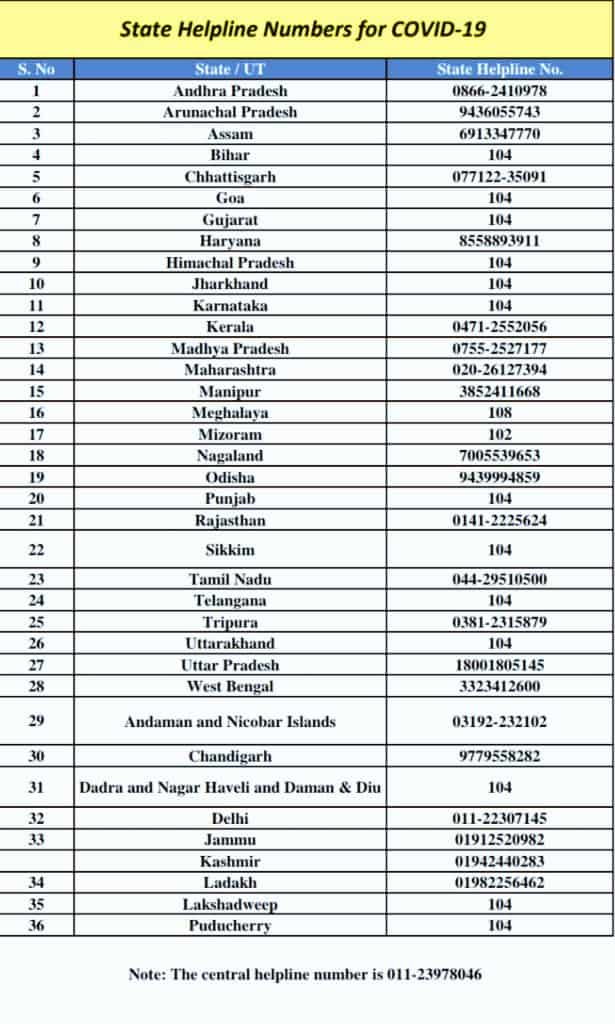
For more information, please contact the central helpline or your respective state helpline listed below:
Pic: Twitter/Doordarshan

Leave a Reply

Your email address will not be published. Required fields are marked *

Similar Story

Beyond eco-anxiety: Climate wheel helps Chennaiites map emotions to drive awareness

Care Earth Trust's experiment reveals communities feel anger, hope, and uncertainty about climate change; mapping these emotions could help shape policy.

Amid global crises like climate change, concepts such as solastalgia (distress produced by environmental change), eco-grief, and eco-anxiety are becoming familiar. Climate change’s impact on mental health has only recently cropped up in research, with studies finding connections between the climate and depression, Post Traumatic Stress Disorder (PTSD) and suicidal thoughts. Around 50% of Indian youth aged 14 to 25 experienced increased stress due to worsening climate, according to a survey by the Centre for Science and Environment (CSE). Other studies have found that repeated experiences with flooding, which occur particularly in eastern and southern India, appear to contribute to…

Similar Story

Reproductive health missing in Heat Action Plans, says climate expert Vidhya Venugopal

In an interview, Professor Vidhya calls for heat policies that address overlapping risks shaped by gender, caste and disability.

Across India, temperatures are soaring, and the impact is evident, from 300 suspected heat-related illness cases reported in Andhra Pradesh to 200 in Maharashtra, say news reports. Heat is unequally felt, with informal workers bearing the brunt of income loss and illness during the blazing hours. Another overlooked impact is heatwaves’ toll on menstrual and reproductive health, where access to washrooms and clean water exacerbates summers for women in low-income settlements, experts say.  Extreme heat exposure overlaps closely with marginalisation, says Vidhya Venugopal, Professor of Climate Change, Occupational and Environmental Health at Sri Ramachandra Institute of Higher Education and Research…