Based on a total station survey done by Enzen Global in Aug. 2011, PNLIT got the BBMP to install a new diversion channel (DC) to harvest surface run off from the Brigade Millennium road into the lake. After some unavoidable delays, complicated government procedures, worker issues, etc. the major DC was finally completed a month ago.
The intermittent drizzle over the past couple of weeks indicated that the DC could work but we were not sure just how well it would till the downpour last night. Glimpses of the lake lit by lightning last night were exciting, raising our hope that we tried so hard to suppress! Doesn’t the brightest idea in the dark of the night seem drab in the morning? But this was not an idea. This was reality. Our DC was working and how!
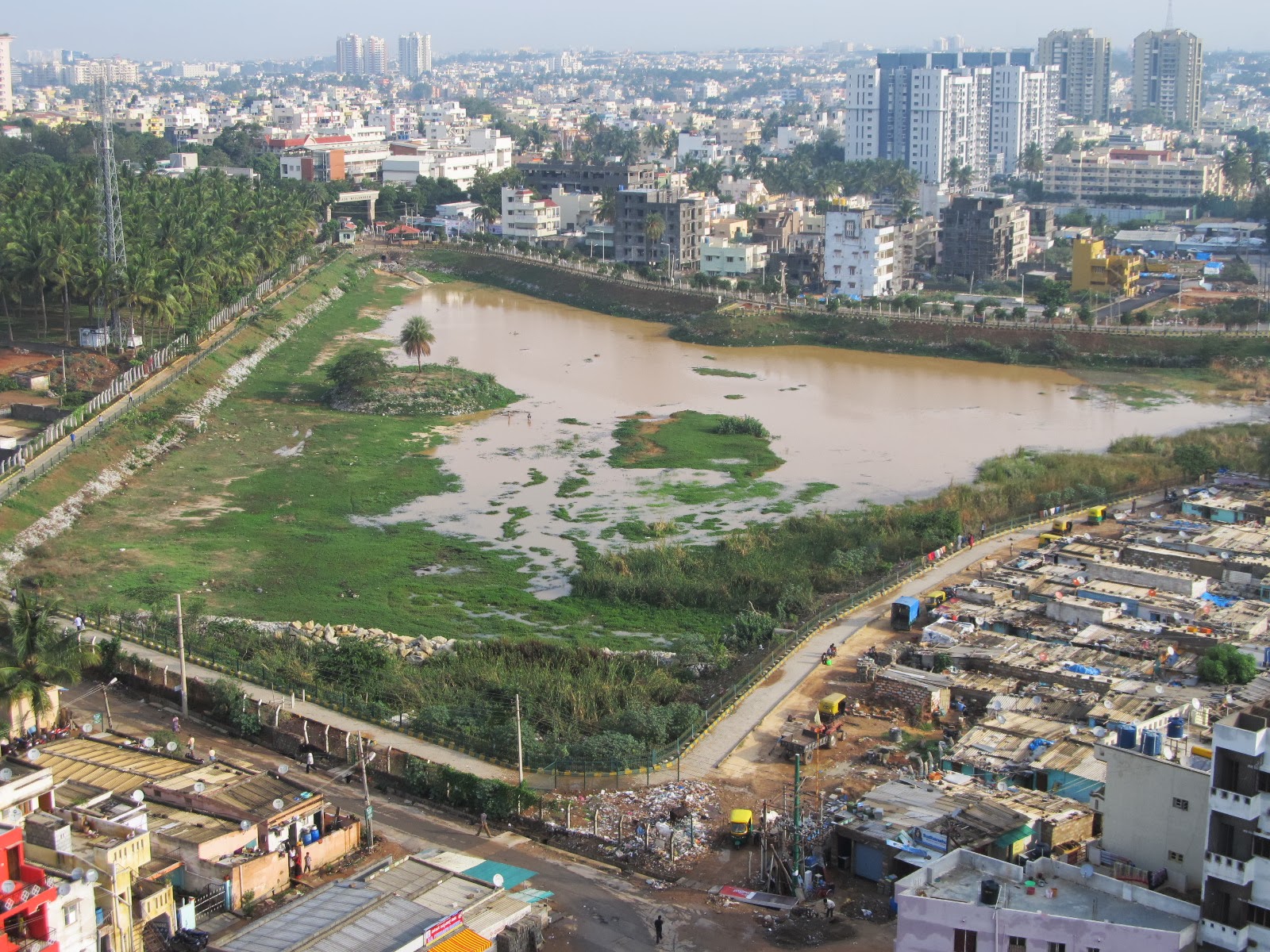
23rd May 2013 (Pic: Prashant Agrawala)
Catching the first rays of the morning sun, the water glittered here, there, almost everywhere. Yes! Our Puttenahalli lake finally seemed like a lake (to quote trustee OP Ramaswamy)! This, despite the fact that the DC work is not fully complete. The BBMP is yet to replace the concrete slabs beneath the Brigade Millennium arch with a grating that would enable even more water from the road to enter the lake. We hope they will do it within a week for then the inflow will be several times more than yesterday’s.
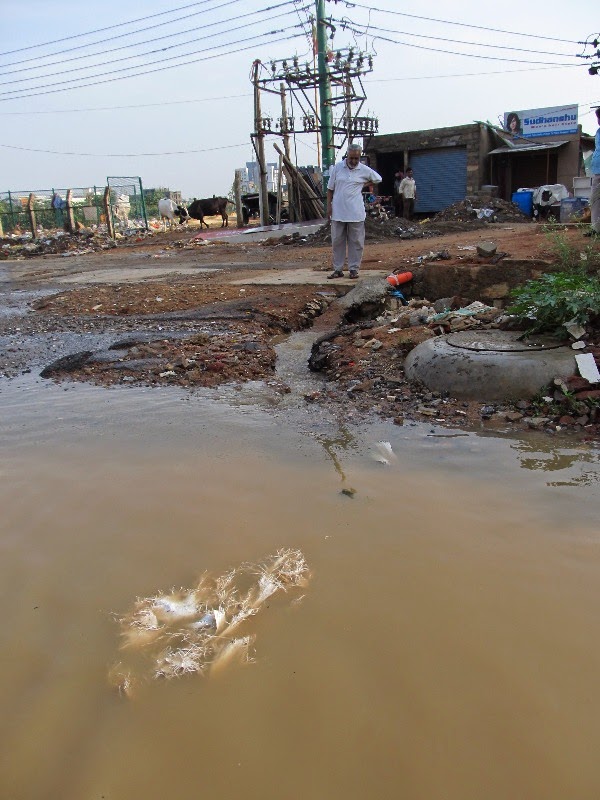
Rain water flowing from South City

Force eroded lake slope
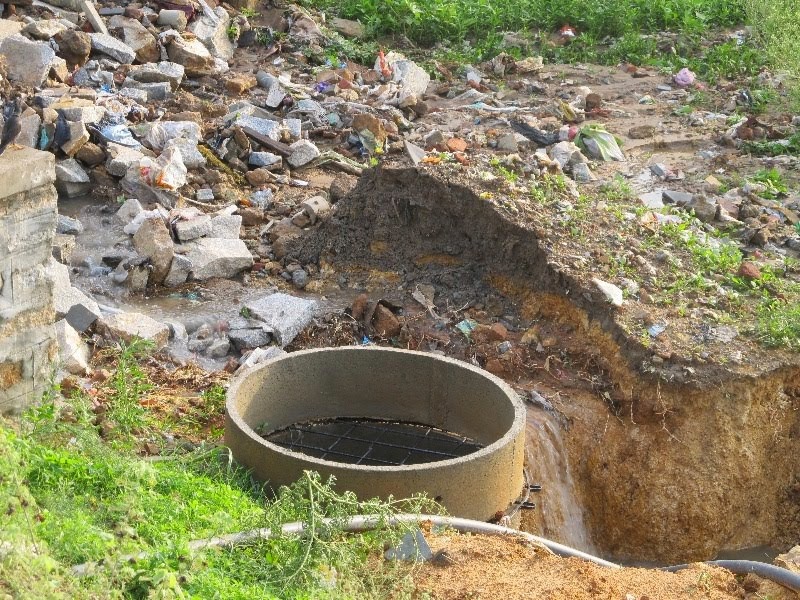
From the new diversion channel like a waterfall
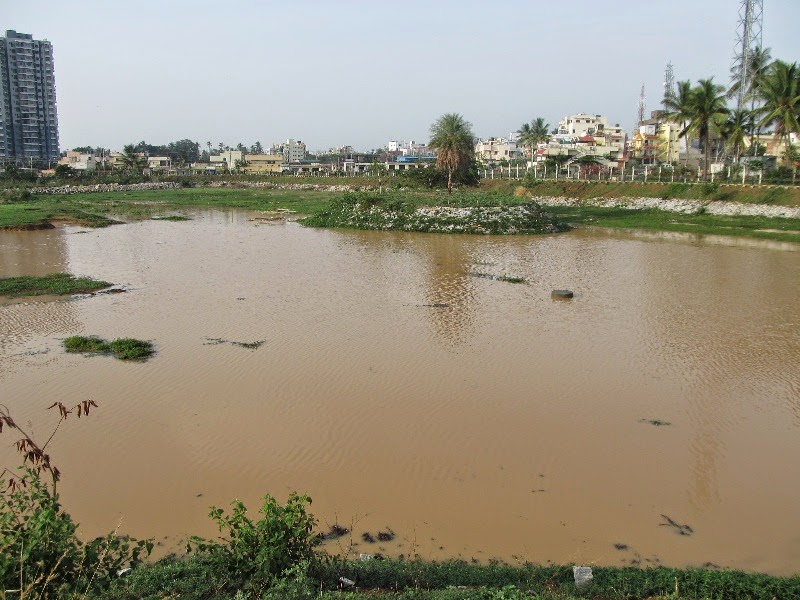
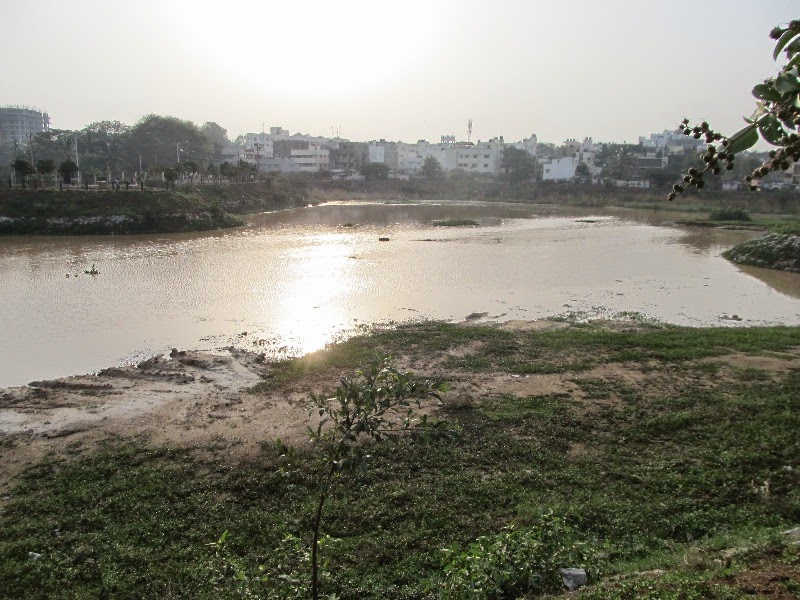
Other views
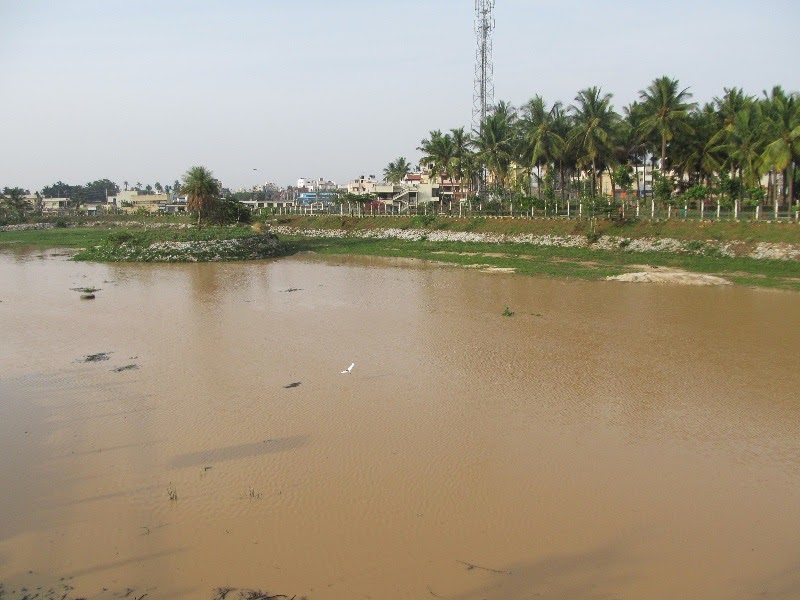

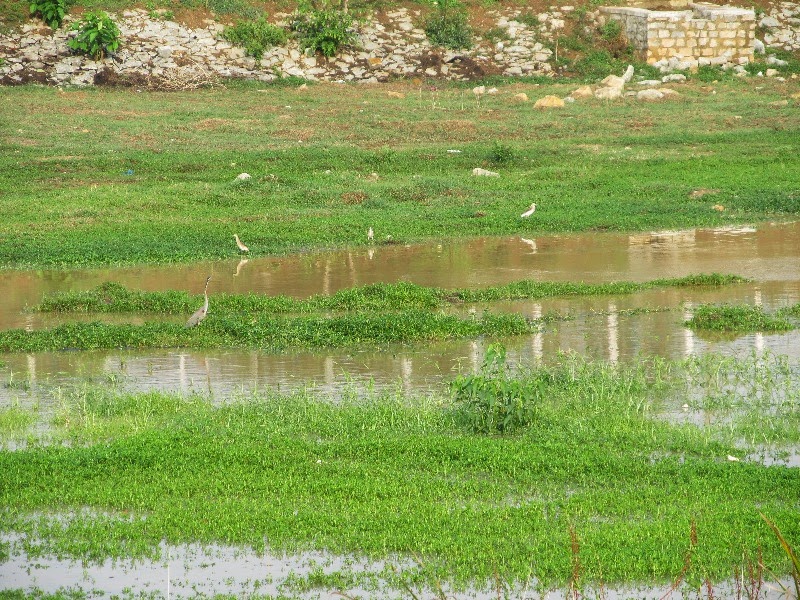
Birds are back already!
With prediction of a “normal” monsoon, we are confident that the dismal sight of a puddle in the lake even yesterday evening can be forgotten at last. The only blessing our Puttenahalli Lake will need is from the Rain God, not from an STP.
With this, one of our dreams came true last night. Many more are still to be realized but at this point, we’d like to thank the BBMP for installing the DC, Contractor Harish for doing such a good job despite being skeptical about it functioning, to Enzen for giving us the hope two years ago that we could fill the lake with rain water. Thanks too to all our friends, supporters, volunteers and donors. Together we make a great team!
More pictures here.
⊕
very heartening to see this!
Excellent! Hope BBMP completes the work speedily