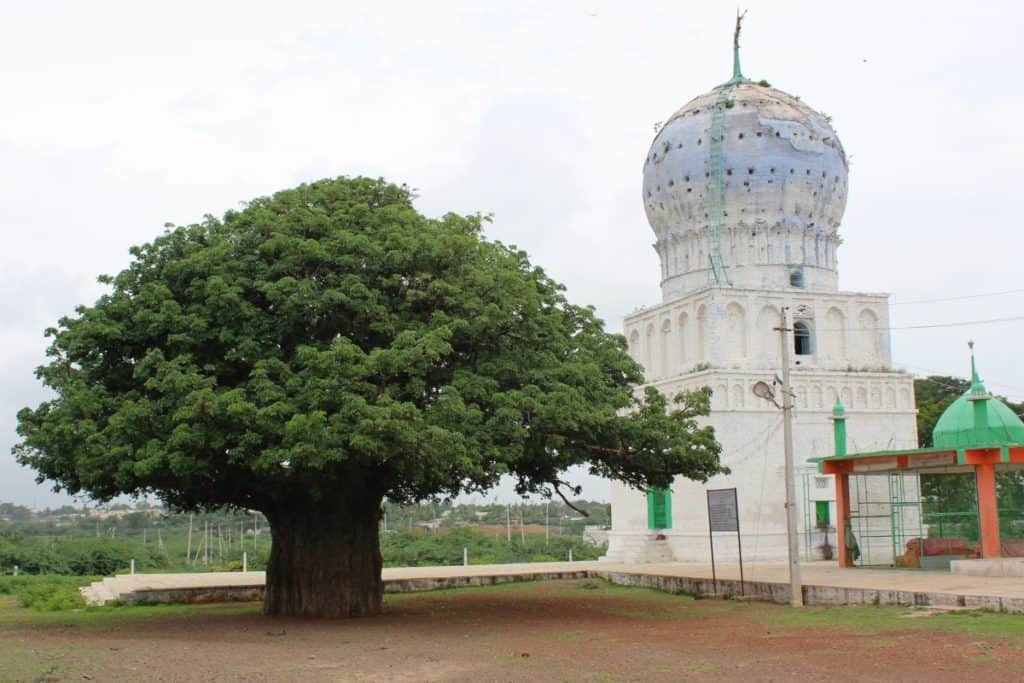
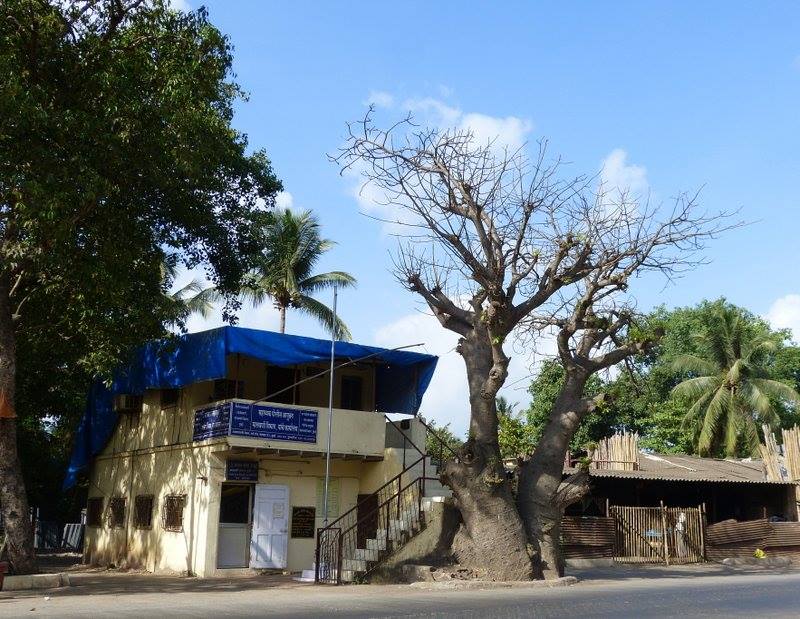
One night on a stroll through Santacruz, Mumbai, I noticed a tree with a larger than usual trunk right in the middle of SV road, a major road that connects the city’s suburbs. A friend I was with remembered the tree from his childhood; he would wait to pass by it every time he returned home on a scooter with his father. Another friend, an ecologist, identified the tree as a Baobab tree. Since I stumbled upon the history of the baobab tree, it made me look at trees around me differently. The Baobab is native to Africa, and was brought to the country by Abyssinian and Portuguese traders over a thousand years ago.
Mumbai has around 120 Baobabs. The Brihanmumbai Municipal Corporation (BMC) and environmentalists have been taking steps towards their protection.
Can trees be heritage?
The presence of the tree and its cultural significance could suggest that, in a way, the Baobab is a heritage sight. Researchers have found connections between genetic analyses of Baobabs and historical information on trade movements between Africa and India. Baobabs across the country, hence, could reveal histories of the African diaspora in the subcontinent.
Mumbai is recognised for its colonial architecture that places the city as part of a long history, and the Baobab made me realise that trees, too, are part of this history in a unique way. My fascination with the Baobab led me to ask, should heritage be defined only through buildings and structures?
Read more: “For long, authorities have been unconcerned and apathetic about Mumbai’s ecology”
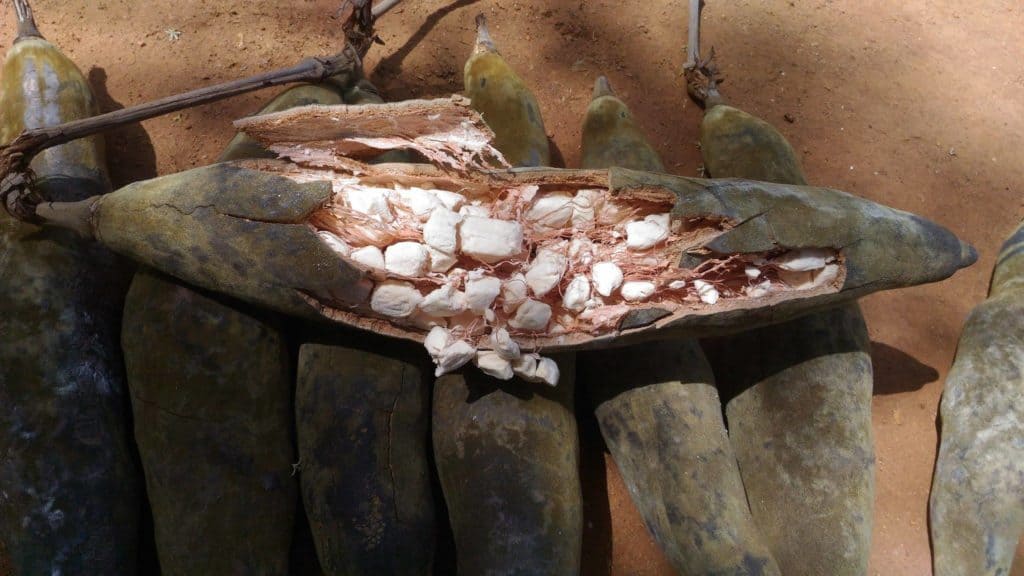
The idea that ‘heritage’ is separate from the everyday life of people ignores the mutually beneficial relationship of heritage and communities. In the case of the Baobab, historically referred to as the ‘Tree of Life’, its survival in an urban setting is to be marveled at. Its coexistence with human life becomes crucial since, many believe, that the tree is being attacked for its resources, like the Baobab fruit that is rich in vitamin C, for international trade.
Environmentalists claim that the Baobab trees should be freed from any human activity, but it is unclear what constitutes harmful activity under the trees. One wonders about those who find shade under them, sometimes for their work. If the protection of the Baobab is for all citizens, can we imagine its heritage as shared? Is it possible to access the Baobab without hurting it? If heritage buildings are conserved to be reused, how can we apply this work to trees?
Baobab trees at risk
For many years now, citizens have taken it upon themselves to protect Baobabs from encroachment. In 2015, locals in Vashi fought to protect one tree from being nailed on by hawkers. Eventually, the Navi Mumbai Municipal Corporation (NMMC) assured protection to the tree.
In 2020, the Baobab tree in Vashi was cut down by authorities to make way for a construction project in the area. A tree that was once assured protection, on account of its heritage status, was quickly erased when it came in the way of developmental plans. This made me think of the dynamic nature of heritage, how it is contextual, and how the factors determining heritage are constantly changing.
In another case, in August 2021, a Baobab tree on SV road, Santacruz, was to be cut down to make way for the D N Nagar Mandale Metro line 2B. Several environmentalists came together to demand action against this move, and in a couple of days, environment minister Aaditya Thackeray announced that the decision had been retracted after an inspection on August 10th. It was found that the tree was not blocking the paths for the metro pillars, and hence, could be saved. The decision was driven by the impact to the construction and not the life of the tree.
Many have documented Baobab trees in Mumbai, and some exercises are ongoing. In 2012, city-based musician Nelson OJ created a facebook page to document the tree across the city and locate it on Google Maps. His map has locations of different Baobabs. Another tree enthusiast, Zico Fernandes, has been documenting Baobab trees in Mumbai through his Instagram account since 2017. Zico organises regular excursions for anyone interested in finding the trees and learning more about the species.
These collective exercises prove that heritage is fluid. There are so many different ways in which heritage is experienced, recognised and given meaning.