A photo story traces migratory birds found in areas of Navi Mumbai and brings focus to the long journeys they take to complete their life cycles.
Scavenging the forest with sharp shooting weapons. Pic: Jyoti Nadkarni
Birds in India migrate from Northern latitudes to escape cold temperatures during winter. Some arrive during monsoons to breed and some are passage migrants that take a pit stop in the country around October-November and March-April, during their journeys elsewhere. Some are local migrants that move within the country according to their breeding cycle.
We should appreciate the long journeys which migratory birds take in order to complete their life cycle. In terms of migration routes of birds, Navi Mumbai lies near one of the paths of the Central Asian Flyway.
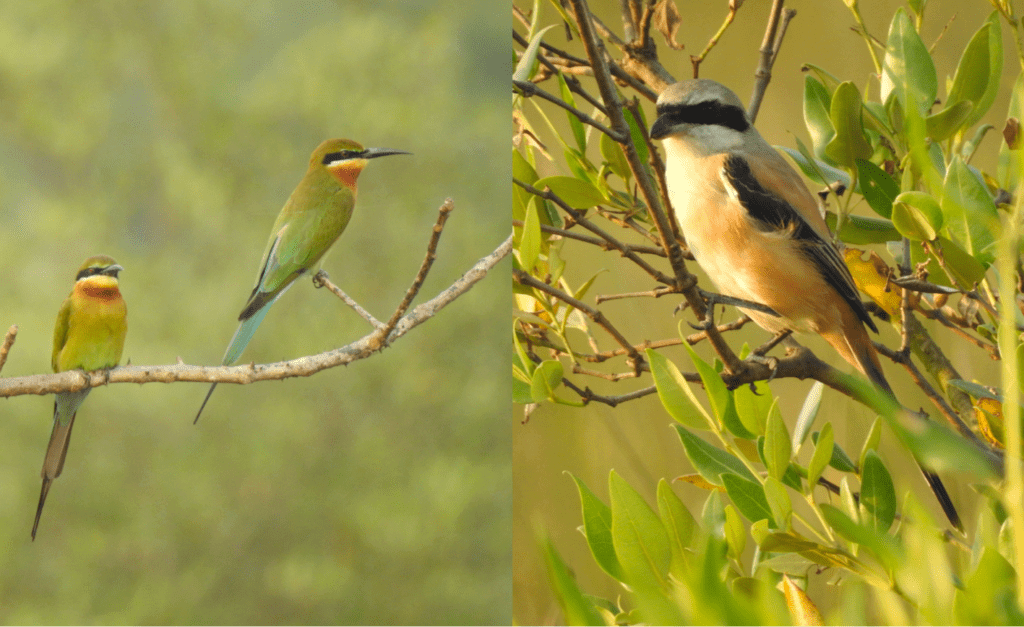
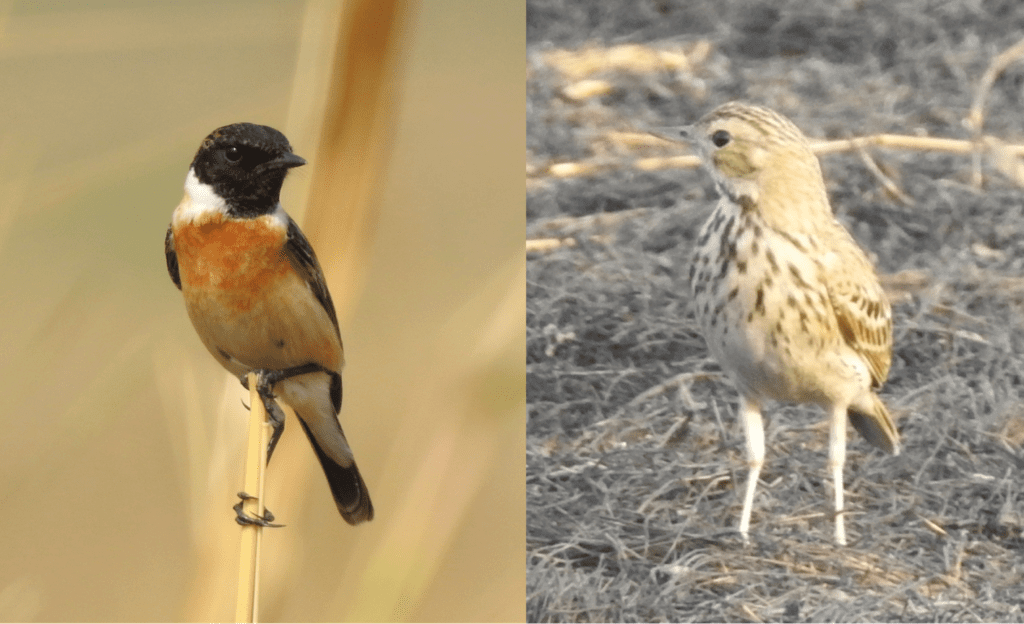
Starling, Buntings, Rosefinch, Stonechat and Pipits migrate to Mumbai during the winter from Central and Northern Asia and Europe. Bee-Eater and Shrikes migrate within the country and are found along dry grassy/shrubby/rocky areas of the city.
L- Blue-tailed Bee-Eaters, R- Long-tailed Shrike, sighted at Kharghar, are local migrants within the country, although the latter one also migrates from higher latitudes.
L- Siberian Stonechat, R- Tree Pipit, sighted at Kharghar are grassland birds, migrating from Central and Northern Asia and Europe.
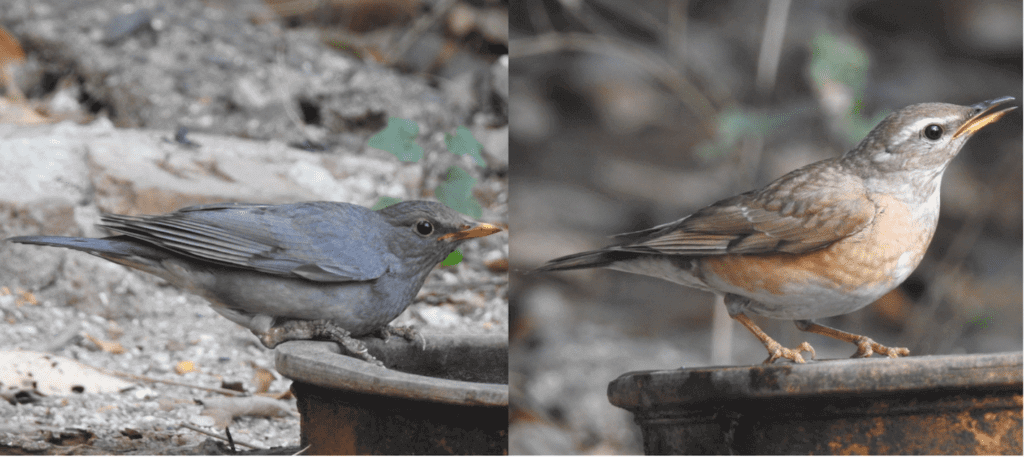
Others like Flycatchers and Thrushes, which migrate from Himalayas and higher latitudes, prefer the forests of the city.
L- Tickell’s Thrush, R- Eyebrowed Thrush, sighted at Belapur, are rare vagrants migrating from Himalayas. High diversity of Waders, Ducks, migrate from Central and Northern Asia and Europe, along with Egrets, Heron, Ibis, Spoonbill, Storks, Flamingos, which migrate within India and from higher latitudes, are found near water bodies and creeks of the city.
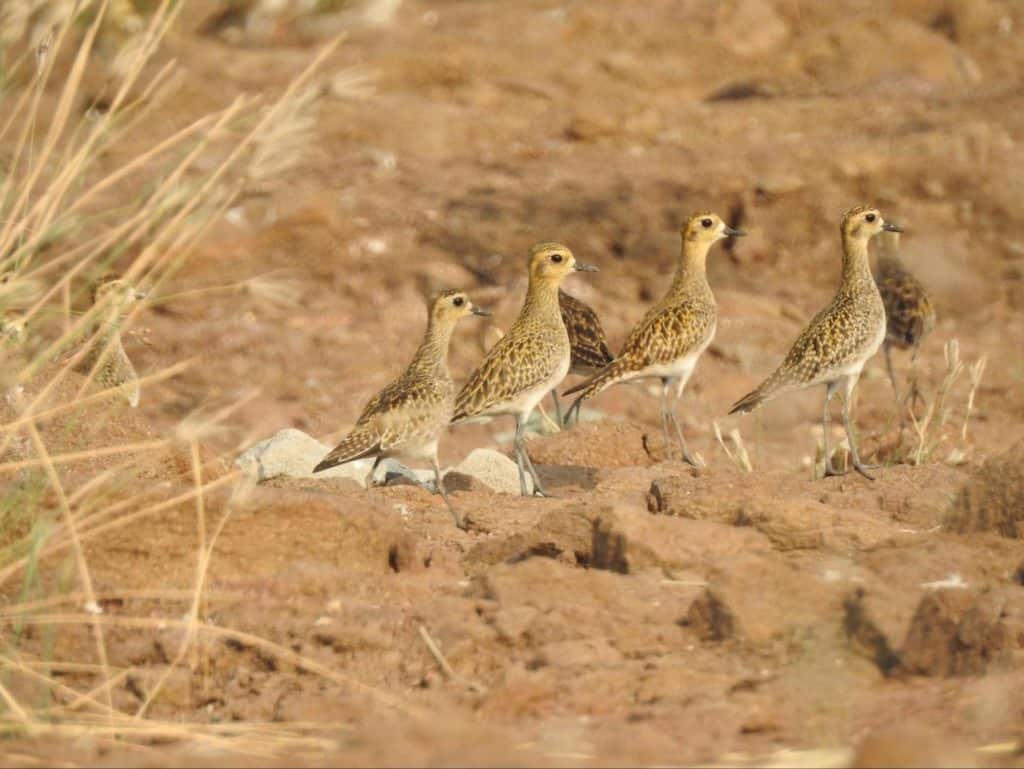
Pacific Golden Plovers, sighted at Kharghar, migrate from Arctic regions of Asia and Europe. They are waders found near the creek.
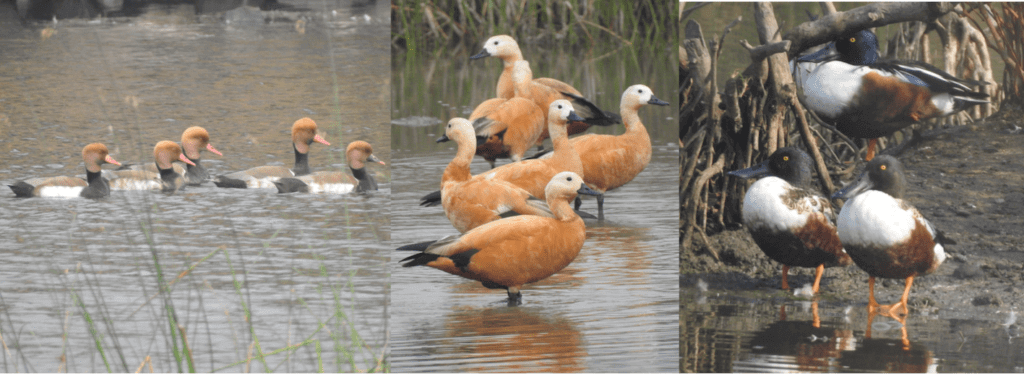
L- Red-crested Pochards, M- Ruddy Shelducks, R- Northern Shovelers, sighted at Uran and Seawoods are migratory ducks from Europe, Central and Northern Asia.
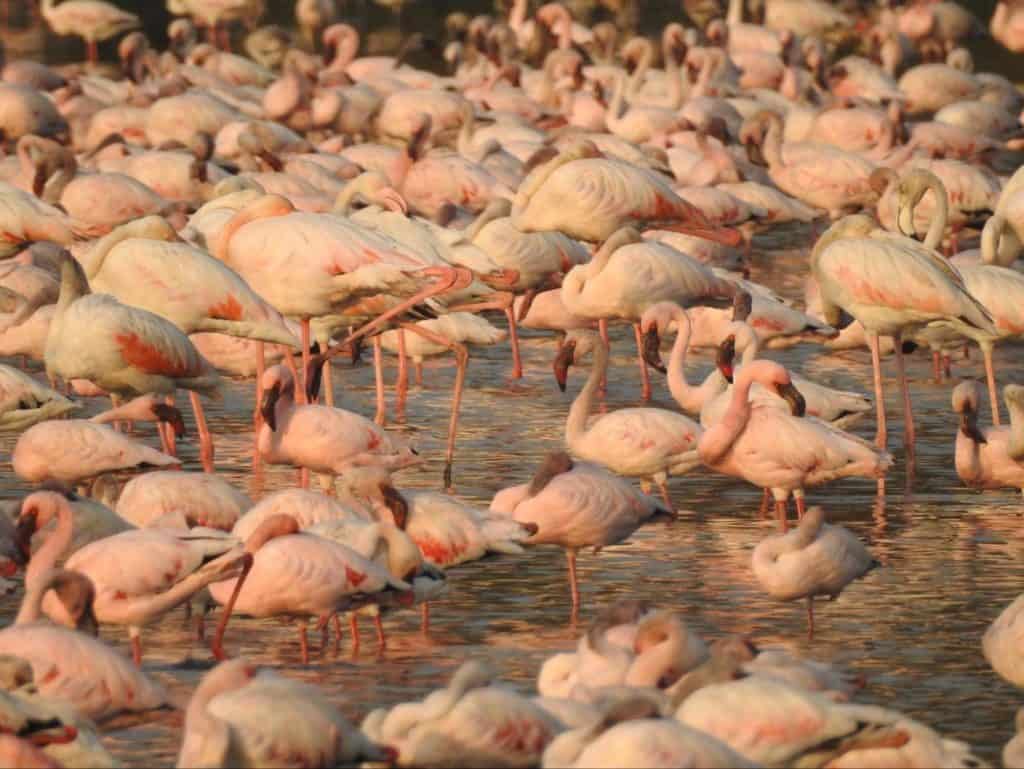
Lesser and Greater Flamingos, sighted in immense numbers at Seawoods during winter, migrate from Africa and Gujarat. They feed on blue-green algae, which gives them their pink colour.
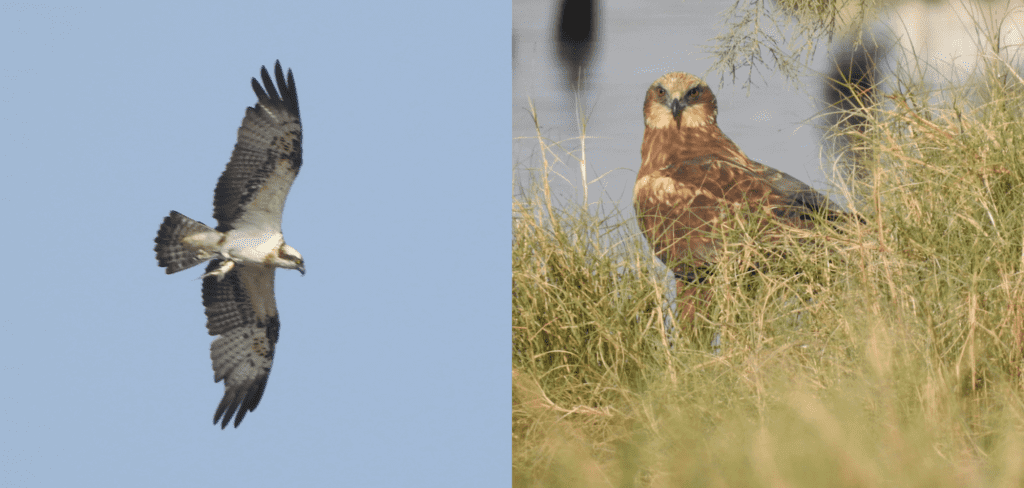
Birds of prey also migrate to the city, like Eagles and Buzzard, which are found near land areas, Osprey and Harrier, which are found near water, migrate from Central and Northern Asia and Europe.
L- Osprey, R- Western Marsh-Harrier, sighted at Kharghar, migrated from Central and Northern Asia and Europe. They are birds of prey found near water bodies and creeks.
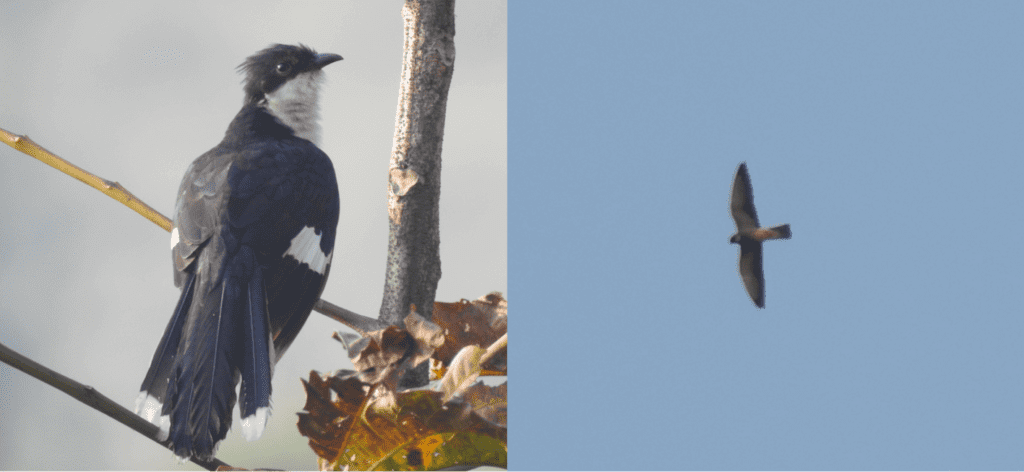
L- Pied Cuckoo, R- Amur Falcon, sighted at Kharghar.
Tarang Sarin, is a Geologist research scholar at IIT Bombay and currently lives in Kharghar. He is doing everything he can to build awareness about the importance of preserving the nature that we have around us
Citizens demand an immediate halt to Bengaluru's short tunnel project, citing ecological damage, flood risks and an absent EIA.
More than 1,000 trees to be cut. Close to 100 bird species and 400 plant species endangered. All this for a project that covers just about two kilometres and costs a whopping ₹1,140 crore. Residents and activists in Bengaluru have vehemently opposed the Karnataka government's Hebbal Short Tunnel project, launching a petition to halt construction immediately. Environmental activists and experts warn that the project threatens Bengaluru's cascading lake system and increases flooding risks. There is growing public concern that the tunnel will cut through one of North Bengaluru’s last major green-blue landscapes and cause lasting environmental damage. The petition, started…
As natural shorelines vanish and extensive restoration destroys habitats, city lakes see a sharp decline in special wetland bird species.
Since Bengaluru’s lakes were formed by damming water flowing down valleys, they are typically wedge-shaped, with a gentle slope and a deep basin towards the embankment. This promotes the growth of diverse vegetation and animals, each adapted to a particular water depth. The result is a natural zonation – reedbeds and shoreline vegetation at the edges, floating and submerged vegetation in the middle, and open water at the deepest end. During the Open City biodiversity datajam held in December 2025, our group examined the ecological trends around Bengaluru’s lakes. In an earlier article, we examined how migrant and resident waterbirds…
Nice article
Nice approach and steps to develop our Navi Mumbai…giving it more of natural values.
I really feel someone to lead this…and if we gain success, It would be really heaven of India.. the fourth metropolitan city of The India
Good Job all Team! I Wishing to all of you for your bright future.
Very nice & informative article with very good pictures of migratory birds in Navi Mumbai.