Citizen Matters in association with ‘Second to none’ (220) is organising a ‘Reuse and Recycle mela’ this weekend at BTM Layout. 220 is an online community focused on the concept of Reduce-Recycle-Reduce waste.
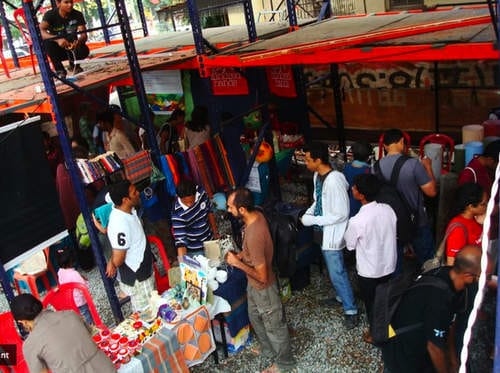
Flea market, last year. File pic
The flea market on Sunday, July 15th, will provide a platform to buy second hand and upcycled articles. Upcycling refers to converting useless or waste into valuable products. There will be a bit of everything from used books, electronic items, clothes and home decor knick knacks. ‘Don’t discard, reuse, don’t throw, recycle’ will be the buzz phrase this weekend.
11 am – 5 pm, Sunday, 15th July AICOBO Grounds, BTM 1st Stage, Next to Adyar Ananda Bhavan
220 member Shreeparvathi Tharavath is bringing old cassettes, CDs and unused shirts. Zehra Rafiq will be bringing candle holders, photo frames and lampshades made of refurbished teak and rosewood.
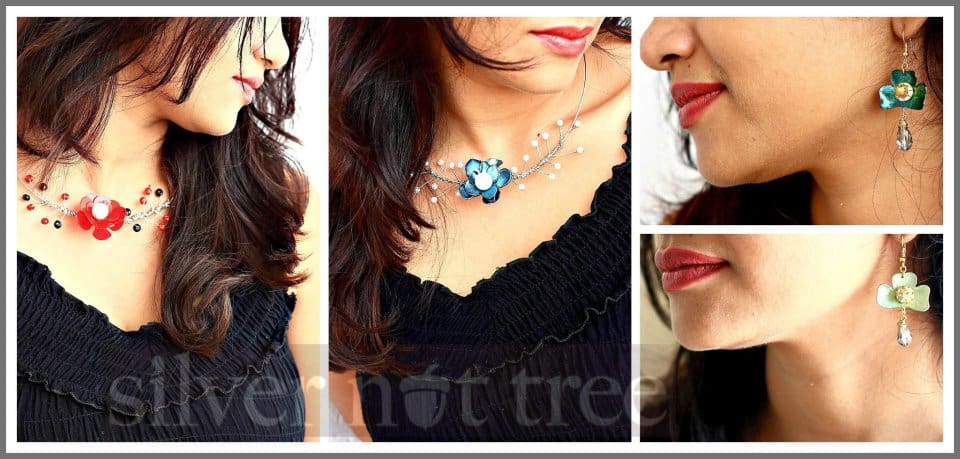
A sneak-peek to the goodies that Silver Nut Tree is bringing to the “Second To None” flea market. Pic courtesy: Silver Nut Tree
In addition to the used goods sections, that are a staple feature at all Second To None markets, this mela also features donation boxes, knowledge corners and food stalls.
NGOs like Toybank and Samarthanam will be present with their collection boxes to accept old clothes, books, toys etc. Toybank is a group of volunteers who collect old toys, giftwrap and present them to children who cannot afford to buy them, while Samarthanam supports people with disability.
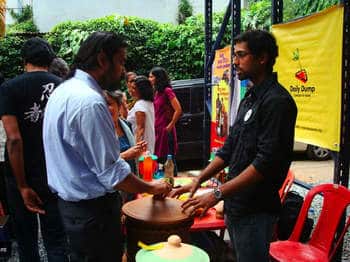
Daily Dump and Saahas (NGO) will talk about waste segregation, recycling and composting. File pic
Saahas, an NGO working on waste management will take in e-waste. Saahas volunteers along with Akshay Yadav, a member of the Solid Waste Management Round Table, will explain all about waste segregation and recycling.
The Gift Your Organ Foundation will share information and how-to of organ donation – the ultimate reuse concept! The NGO Let’s Live Together will bring pups for adoption.
You can also learn and share your ideas on living a sustainable and small eco-footprint life, at the Green Tips corner. The best original tips will get a gift voucher from Rentoys.in, an online toy rental portal. The Alternative, a social sector portal will present 25 best ideas on upcycling.
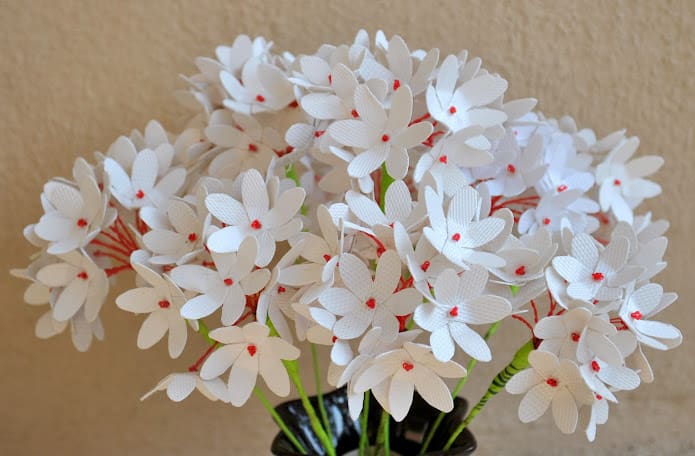
Flowers made out of plastic packing material will be available in the mela. Pic courtesy: Prayaas
“With an initiative like this, we want to encourage people to get into habit of recycling,” says Anupama Gummaraju, co-founder of ‘Second to none’.
The event is sponsored by Zopnow, an online hypermarket. Zopnow promises you a three hour home delivery on your orders. “We look forward to being a part of green lifestyle which Bangaloreans are adopting,” says B K Birla, founder of Zopnow.⊕