“Having a headache?” Take Anacin. “Having loose motions?” Take Norflox or Flagyll. I am sure all of us have witnessed this conversation sometime or other. People self prescribe antibiotics, and even steroids. TV and media advertising support this trend. Remember that old TV ad?
“Headache?”
“yes”
“Nose blocked ?”
“Oh yes”
“Cough?”
“Yes man yes”
“Kutch Lete Kyun nahin? (Why don’t you take something?)” And a jingle follows recommending a common medicine.
How many of us know that self medication can be dangerous, or perhaps how many of us really care? Do we know that Aspirin (in Anacin) can lead to life threatening bleeding from stomach? I have faced this emergency as a surgeon, and finally we had to remove a part of stomach to save patient’s life.
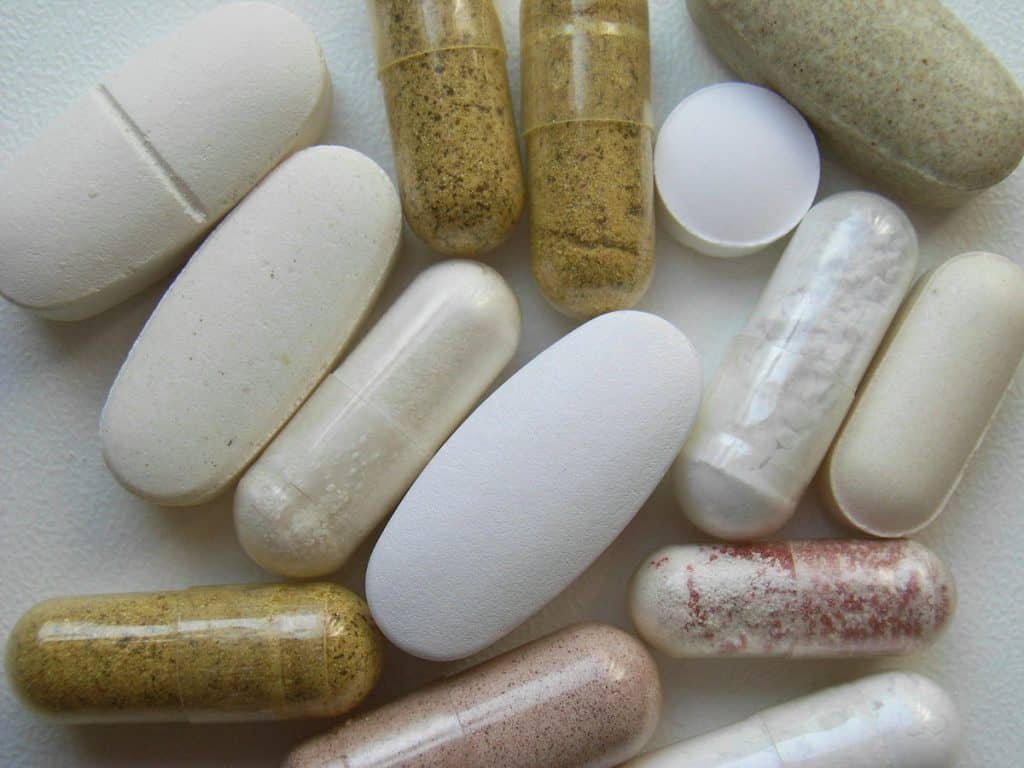
Pic courtesy: Wikimedia commons
Aspirin when given to children with viral illness can precipitate a potentially fatal condition called Reye’s syndrome. Do we know, that Flagyll, commonly taken as self treatment for loose motions, if taken along with alcohol can lead to very distressing symptoms? How many of us are aware that in infants less than a year all cough syrups are dangerous?
Yet, the self medication continues to be encouraged. The world is full of first aid boxes containing these drugs. This article is not against first aid. This is just to remind that first aid means taking medication before proper medical consultation is made available. It is not in lieu of medical consultation.
A research study found out that 19% of the people felt they had experienced similar illness and the doctor would give same medicine anyway. It also found out that self medication happened when there was no access to medical facilities. Worse, 70% of these drugs were recommended by Non Allopathic Doctors!
Dangers of self medication (Study by Greenhalgh T)
- Combination preparations containing ‘hidden’ classes of drug. Hidden classes refer to drugs which normally people may not use for self medication like steroids, but combinations of a simple skin ointment along with steroids are frequently available. Similarly combinations contain drugs like Nimuselide, which are banned.
- Antibiotics are widely and often inappropriately used.
- Potentially dangerous drugs taken for trivial or bizarre indications.
- Use of banned Drugs.
- Food supplements and tonics of dubious nutritional and pharmacological value.
References:
Self-medication and non-doctor prescription practices in Pokhara valley, Western Nepal: a questionnaire-based study : BMC Fam Pract. 2002; 3: 17, PR Shankar, P Partha, and N Shenoy
Drug prescription and self-medication in India: an exploratory survey: Greenhalgh T:SocSci Med. 1987.
I want to tell you my policy.As an engineer I solve electronic problems. Similar way anything happens to health I go to a doctor. In my house my wife( Molly ) take Paracetamol for everything say from headache to flue, loose motion, every possible deceases.We have to start a mass awareness program for to stop self medication.The trend started by medical shops( they make good margin ).
People act and practice what the pharma & medical industry has taught them for last 100 years: Take Drugs!
The concept of “Supress syntoms with synthetic chemical aka drugs”
This acts in the Benefit of the pharma & medical industry. When people start becoming AWARE and wake up, only then there’s a ray of hope.