Fed up with diet fads?

Most youngsters have the desire to lose a lot of weight, that too very fast! But how healthy is it? Follow balanced diet and be healthy.

Historically, human civilisations growth is punctuated with attention to weight and to diet. Diet fads like low fat diet, low carbohydrate diet, Duke diet, Couch Potato diet, HCG Diet, GM diet, banana breakfast diet, no breakfast diet, fruit diet, salad diet, tomato diet, etc. have evolved over time. In this maze, we have lost sight of what is known as balanced diet.

Peer pressure, celebrity endorsement and size-zero concept contributes to diet fads. Some also have the desire to lose a lot of weight, that too very fast!
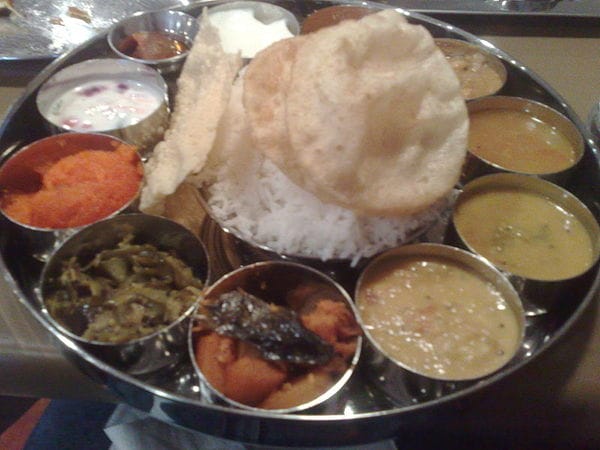
 

A balanced diet is a balanced proportion of different components are – carbohydrates, proteins and fats. In addition body requires certain vitamins, nutrients, and minerals to perform for different body functions. Body requires certain specific compounds like anti-oxidants, vitamins, fibres, and certain supplements.

To reduce weight, the options are to reduce total calorie intake, reduce specific components of food and burn up more calories. However this does not mean going hungry. Skipping breakfast, mindless snacking, a sedentary lifestyle and irregular sleeping habits can damage the body.

Early signs of adverse effects of diet fads are :-

  • Dizziness
  • Confusion
  • Fainting
  • Dehydration
  • Severe constipation or diarrhoea
  • Muscle cramps
  • Mood changes
  • Constant hunger            
  • Lethargy

Some tips to lose weight in balanced way :

  • Eat less but more frequently
  • Avoid second helping
  • Eat more of  fibre, vegetables, salads, curd   
  • Avoid ice creams, cakes, trans fats, refined carbohydrates. colas, fruit juices, junk food, sweets and processed food.        
  • Drink more water        
  • Regular exercises

The key to lose weight without diet fads lies in balanced diet and balanced lifestyle.

Leave a Reply

Your email address will not be published. Required fields are marked *

Similar Story

Explained: How Tele MANAS is shaping tele-mental healthcare in India

The Tele MANAS programme has supported over 28 lakh people across the country. Here's how it works and what it's achieved.

When a 30-year-old man from Karnataka felt overwhelmed by suicidal thoughts and a deep sense of hopelessness, he reached out to a government-run tele-counselling helpline. On the other end of the line was a trained counsellor from Tele MANAS, India’s national tele-mental health programme. The counsellor listened patiently, offered emotional support, and guided him to a nearby mental health hospital under the District Mental Health Programme (DMHP) for further care. In another case, a 17-year-old student, anxious about his upcoming exams, called the same helpline. He received practical advice, study tips, and daily motivation. Two years later, he called back…

Similar Story

,

When the Earth hurts, we hurt: Understanding eco-anxiety and eco-grief

In this video interview, experts discuss how climate change fuels eco-anxiety and explore how collective action can help us cope with and heal from its effects.

As the realities of climate change become increasingly evident, conversations around its psychological impact are more important than ever. In the first part of this series, we shared the experiences of individuals navigating eco/climate anxiety in their daily lives. In this second part, we speak with two experts, Cauviya and Samatha, to delve deeper into eco-anxiety and eco-grief and examine how environmental changes are influencing mental health across different social groups. Read more: Bengaluru’s street vendors are the first to be impacted by climate change: Lekha Adavi About the experts Cauviya Cauviya is an industrial/organisational psychologist who is trained in…