Eczema in children, is a condition typically characterised by skin lesions associated with itching, sometimes watery discharges, often complicated by infections, and noted for relapses.
The condition has shown a spurt in number of cases recently. In 1972, a Bihar study revealed prevalence of eczema to be 0.38% of all skin diseases. 38 % of them were reported to be Infantile AD (atopic Dermatitis), a medical term for eczema.
Two decades later another study showed the incidence of AD to be 28.46% of total paediatric skin diseases. The reasons for this spurt are not very clear. Some of the causes being studied, are changes in environmental pollutants, breastfeeding patterns, increased awareness, urbanisation, better and more scientific reporting, and better diagnostic modalities.
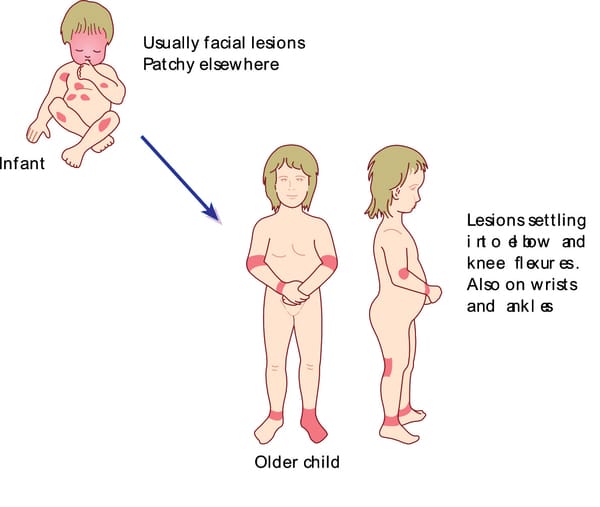
It is also known to be more prevalent in winters than summers. Male children are more likely to be affected than females, and Family history is known to play a part. The onset of disease is mainly between 3-5 months of age, and is likely to affect mainly face, elbows, knees and diaper rash in babies. In older children, areas affected include the fold behind the knees, inside the elbow and neck.
It is noted that apart from the babies, the disease causes a great amount of anxiety and sufferings for parents as well. Some of the facts that can help alleviate this anxiety are:
· Eczema is not contagious.
· It is most common in children and at least half of them will grow out of it.
· Good preventive Measures :
o Use of soft natural fabrics are a good preventive measure,
o Practice of keeping baby’s skin soft
o Use of moisturisers
o Using warm and not hot water for bath
o Avoiding known potential allergens like perfumes, fragrances, detergents, artificial jewellery etc.
o There are certain items of diet which may be suspected to cause allergy. However, diet restriction merely on suspicion may lead to nutritional imbalances, and should only be resorted to, on doctor’s advice.
o A Humidifier may be needed in winters when heating dries up atmosphere. Also needed in summers, if Air conditioning is used because it depletes the moisture content of air.
It goes without saying that meticulous attention to skin hygiene of babies can go a long way in preventing and alleviating the suffering of baby as well as that of parents.
⊕