Tug of war between BBMP and BWSSB

Pipelining work completed, but roads left undone in Koramangala I Block. Why should people face the consequences, asks Deepak Vijayvergiy.

The pipelining work which started in the month of February is finally complete, but now we are deprived of good roads, why are we at the receiving end? why is the concerned authority not doing anything about the dug up roads?
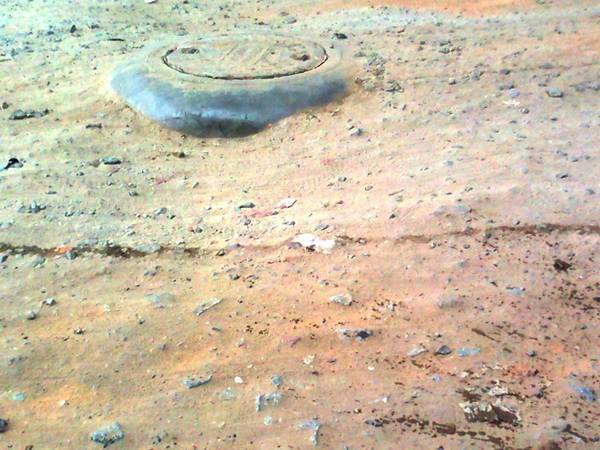
I have contacted Bangalore Traffic Police on their FB page – Bangalore Traffic Police
They suggested that I contact BBMP control room 080-22660000.

I contacted BBMP control room and got the complaint filed. Later I learnt that the issue does not come under Koramangala ward and I was asked to contact Ejipura ward. The concerned authority explained to me that the pipeline work is complete and that they (BBMP) have written a letter to BWSSB AEE to deposit the estimated amount in their account for the road refurbishment. I contacted BWSSB AEE and found out that they are not clear about anything and there is no proper planning whatsoever.

People who stay in ST bed and Nirguna Mandir Layout are facing grave problems because of the bad stretch. I hope BBMP and BWSSB resolve their internal issues soon and start the reconstruction work.


RELATED
RELATED

Related Articles

BWSSB work in Koramangala 1st Block

Comments:

  1. Divya Harave says:

    In all the departments in Bangalore – BWSSB is the worst – it literally stinks. Rest of them (like BESCOM, BTP etc) have shown some initiative to help citizens – and it has worked too. But this one – I have no words for it. BDA closely follows with it’s dubious fly-overs.

  2. Krishnaraj says:

    I do agree with Divya Harave. Wherever BWSSB started their digging work, did not see them completed in time and repaired the roads they dug-up. For instance, its been more than 2 years BWSSB started laying down new pipes for approximately 2 km stretch in EGL campus and Chalaghatta road and still the work is underway in snail pace. Same way one would see the sate of service road near Dombloor flyover, near hosmat hospital.

Leave a Reply

Your email address will not be published. Required fields are marked *

Similar Story

A four-hour commute: The daily transport struggles of women from Chennai’s resettlement areas

Watch this video to understand how absence of last-mile connectivity and unreliable public transport in Chennai is failing those who need it the most.

Chennai has long had a tradition of public transport usage, with commuters having the choice of the suburban railway network, Metropolitan Transport Corporation (MTC) buses operating in the city and the Metro Rail for their daily transit. Despite the government introducing new services recently, especially electric buses, private vehicles numbers have soared and bus ridership has gone down considerably. Last mile connectivity issues, poor coverage in certain areas and the inability of the government to encourage residents to use public transport are major impediments. In fact, private vehicles make up 65 per cent of all motorised transport in the Chennai…

Similar Story

The infrastructure of waiting: How Bengaluru’s gridlock steals our right to time

Bengaluru needs accessible infrastructure that makes life easier for everyone, not tunnels and corridors built for a privileged few.

Selomi's text arrived at 7 am. "Let's leave by 8.30. The traffic will be brutal otherwise." We both live about 10 kilometres from the government office we had been going to every day for the last two weeks. The nearest metro station is four kilometres from our homes, which means forty minutes to reach it, twenty on the metro, and twenty-five on foot from Vidhana Soudha to the office. An hour and twenty minutes each way, assuming nothing goes wrong. In Bengaluru, something always does. By the end of the second week, we had the routine down. Coffee in a…