Help your doctor understand your problem

You get only a limited amount of time with your doctor. So you need to make the best of it. Here's how.

Doctors have a busy schedule, so if you proactively provide them with information about your health, rather than have them fish it out of you, so much the better. Here are some tips:
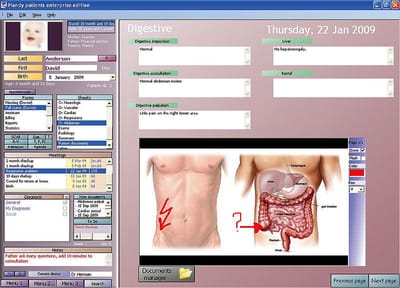
Electronic medical record.
Pic: Wikimedia commons

Be specific about what brings you to doctor. Explain the symptoms, mention duration of symptoms, any precipitating factor that you think has brought it up, if chronic then for how long it has been persisting. A few examples…

Pain in the abdomen: site of pain, whether acute or chronic, whether it shifts from where it started from, or radiates to another region, whether aggravated by or relieved by meals / vomiting/ change of posture, or pressure, whether first episode, or have there been previous episodes.

Fever: Whether it is continuous, or follows any particular pattern. Does the fever comes only in evening, is it high grade or low grade. Are any of the glands enlarged, is there any history of infection, is it associated with any rashes, is it recurrent?

Ensure you share past history of any disease, allergies or reaction to any drugs. Do not forget to inform about family history of diabetes /hypertension/ heart disease/cancers, any surgeries undergone, or history of sudden death especially amongst siblings or parents.

What goes into your medical record?

While it is best to maintain a file of all the documents, it helps if you have a document which summarises your medical history, and reports of investigations in a chronological order. You need to update it following every medical consultation.

Those who are tech savvy should save their medical records digitally. Electronic Medical records (EMR) are also a way of maintaining medical records. These are usually password protected, and when required printouts can be taken.

Leave a Reply

Your email address will not be published. Required fields are marked *

Similar Story

Reproductive health missing in Heat Action Plans, says climate expert Vidhya Venugopal

In an interview, Professor Vidhya calls for heat policies that address overlapping risks shaped by gender, caste and disability.

Across India, temperatures are soaring, and the impact is evident, from 300 suspected heat-related illness cases reported in Andhra Pradesh to 200 in Maharashtra, say news reports. Heat is unequally felt, with informal workers bearing the brunt of income loss and illness during the blazing hours. Another overlooked impact is heatwaves’ toll on menstrual and reproductive health, where access to washrooms and clean water exacerbates summers for women in low-income settlements, experts say.  Extreme heat exposure overlaps closely with marginalisation, says Vidhya Venugopal, Professor of Climate Change, Occupational and Environmental Health at Sri Ramachandra Institute of Higher Education and Research…

Similar Story

No breaks, no dignity: How heat affects menstrual health of Chennai’s women workers

As cities heat up, women in informal work face heightened discomfort during periods. Menstrual Hygiene Day (May 28) calls for urgent change.

At 8 am every day, M Subashini hops onto her two-wheeler and braces herself for the incessant Zomato order notifications on her phone, and the blistering May heat. Armed with a water bottle and gloves, the gig worker says "Veyil thaangamudila (can't bear the sun). But we took this job to be independent, and earn — so we can't stop, for rain or heat.” Shuttling across Ambattur's roads, the 38-year-old races between restaurants and residences, dropping off food packages under the scorching sun. An order within five kilometres usually earns her ₹20–50. “Men can do longer distances, but I can’t.…