Asthma is a respiratory allergy characterised by difficulty in breathing, and is associated with wheezing. It is a Greek word meaning breathless, or breathing with mouth open. Genetic factors, urbanisation, pollution, stress, and tobacco smoke are some of the important factors to determine the severity of asthma.
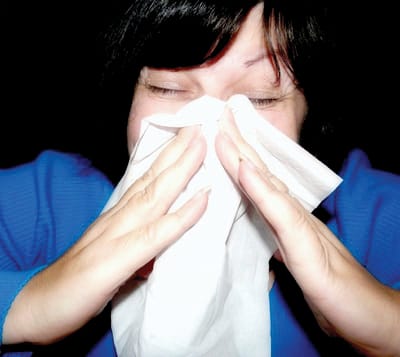
Pic: Wikimedia commons
A study based on 20,000 patients revealed that percentage of asthma in children grew from 9% in 1979 to 29.9% in 1999 in Bangalore. Seasonal variations, viral upper respiratory tract infection, food items like grapes, guavas, bananas, ice creams, tomatoes, trigger an asthmatic episode.
The effect of pollution can be seen by the fact that prevalence of asthma in traffic cops in Bangalore was 26.12% compared to 14.09% in non traffic police personnel, indicating an 85% higher risk of developing asthma.
A good reason for traffic cops to catch pollution-causing vehicles with much more zeal!
There are other types of allergies too. Allergy is an exaggerated response of our immune system to an otherwise harmless substance, sometimes fatal. Sudden, violent bouts of sneezing is a common example.
Allergy can be caused to any substance you come in contact with, something you inhale, eat, or drink. The substance which triggers allergy is called an allergen. Common manifestation are sneezing, rashes with intense itching, also known as urticaria or hives. However, when the response affects the respiratory system, it can cause intense swelling of larynx or voice box in common parlance, and a person may die.
Immediate management is important, possibly through medicines known as anti-allergic drugs.
Allergic response is increased manifold with each exposure to an allergen. For example, a wasp sting first time may not be severe, but second time may be fatal. Even some drugs can cause allergy. A drug which may have caused a simple itching, as an allergic reaction, first time, can cause a much stronger allergic response next time even leading to death. Similarly, vegetations, mites and hay can cause common allergies.
The message is "do not take any allergy lightly. Keep your doctor informed".
⊕