If you have a penchant for embroidered fabric in pastel colours, then Hakoba is the place. It offers fabrics with beautiful embroidery in subtle colours. Hakoba has its presence overseas as well. Our Bengaluru houses an exclusive showroom of Hakoba at Jayanagar, Gandhi Bazaar and Commercial street. The Jayanagar store sells sarees, salwar kameez, dupatta sets to embroidered fashion fabrics. It also offers Kurtas and party wear shirt for men.
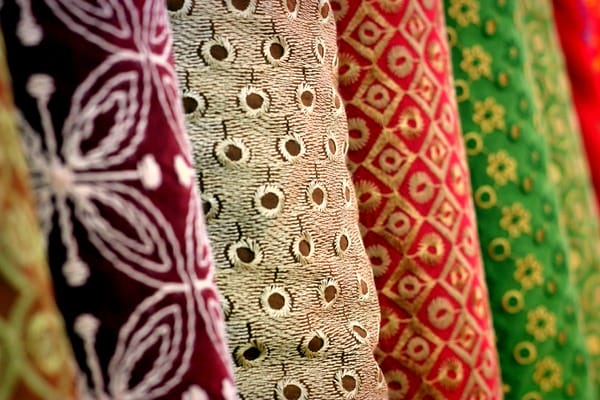
Embroidered fabric from the royal times. Pic: Nagashree Gururaj
A privilege once reserved for kings and queens, embroidery is an ancient art. Centuries ago, embroidery added grace and refinement to royal finery. One of the earliest examples of embroidery is a 3000 years old fragment of Danish white craft (white stitches on white fabric). So prized was exquisite embroidery, aristocracy in England, reserved a room in their homes for young ladies of the family to learn embroidery. Ancient India was no different. Nawabs and maharajas held monopoly over fine embroidery. Until, in 1953, India witnessed the emergence of hakoba. And fine embroidery became attainable to all those people who could but dream about it till then.
Hakoba has revolutionised embroidery in India. In the recent past, Pioneer Embroideries Ltd took over Hakoba. Not only has the company impregnated a fresh vision into this legendary brand, but also it has finally evolved from pastels and old world charm into a statement of international contemporary fashion. Hakoba is synonymous with intricate embroidery, dainty craftsmanship and impeccable detailing. Hakoba has its very own design team and has collaborated with the renowned fashion designer Neeta Lulla. Taking forward Hakoba’s roadmap of becoming global, it has roped in film stars Hema Malini and her daughter Esha deol as brand ambassadors.
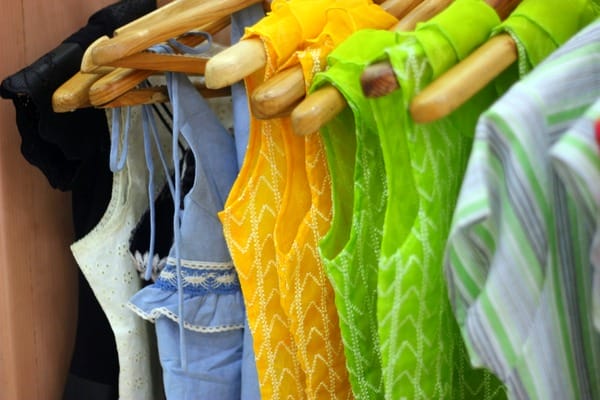
Hakoba Kurtas are a huge draw. Pic: Nagashree Gururaj
“We have over 45 showrooms all over India in 26 cities; customers come to us for the exquisite and unique designs we offer”, says Senthil P, manager of the Jayanagar showroom. Hakoba has its Head Office at Mumbai and the manufacturing unit at Gurgaon. “We get the fabric only from Mumbai, as we are very particular about the quality and the prices are not too exorbitant”, he said. “The price range for tops is from 195 rupees to 645 rupees, and Salwar kameez sets range from 195 rupees to 595 rupees per meter,” added Senthil.
Hakoba is one of the hot favourites for youngsters for its classy yet peppy look. Priyanka R, a student, says she visits Hakoba for its variety and quality. “I am a regular customer here; there is always a sale going on, I just love the variety of designs and the colours, it makes me look beautiful”, she beams.
Age is not a drawback to visit Hakoba, anybody and everybody can shop here. “I enjoy shopping at Hakoba for its reasonable price and durability. The variety here is just unimaginable,” states Chetana Nagaraj, a housewife.
⊕