India is in the midst of a 21-day lockdown that started today. In his televised address to the nation, Modi exhorted the nation to cooperate with the 21-day lockdown, violation of which could “set us back by 21 years,” in the Prime Minister’s words. He warned of the dire consequences faced by other nations as a result of ignoring mandates of social distancing and urged the country to stay indoors to avoid a similar fate.
However, the last time that the PM asked all Indians to stay at home, on March 22nd for a day, the results had been mixed. Perhaps because he had then also called upon the people to show their respect towards workers in the first line of defence against Covid-19 by clapping or clanking utensils from their balconies or terraces. This led to a lot of misinformation and fake news being generated, mainly via Whatsapp and as a result, a few citizens of the city went ahead to celebrate as if the virus had been defeated permanently.
Many citizens let their guard down and went overboard with their celebrations which eventually defeated the purpose of the ‘janata curfew’ which emphasised social distancing. Although, for most parts during the day the curfew was adhered to, the crowd started gathering or breaking loose at around 5 pm when the solidarity show began.
Chennai’s Kamarajar Promanade had a traffic movement despite the curfew
Meanwhile, Chief Minister Edappadi K Palaniswami has issued orders imposing Sec 144 across TN effective 24 March, 6.pm till 31 March.
This time, we must make sure that the 21-day lockdown is indeed strictly adhered to. The state and city governments have taken several measures to beat the disease and as citizens we must co-operate.
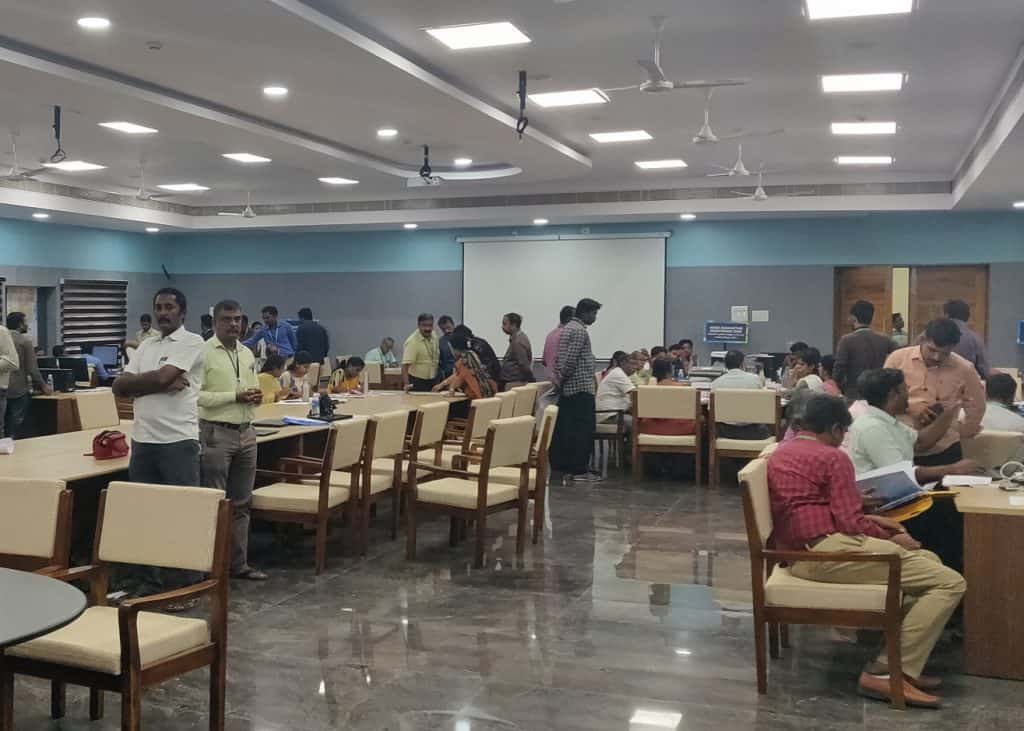
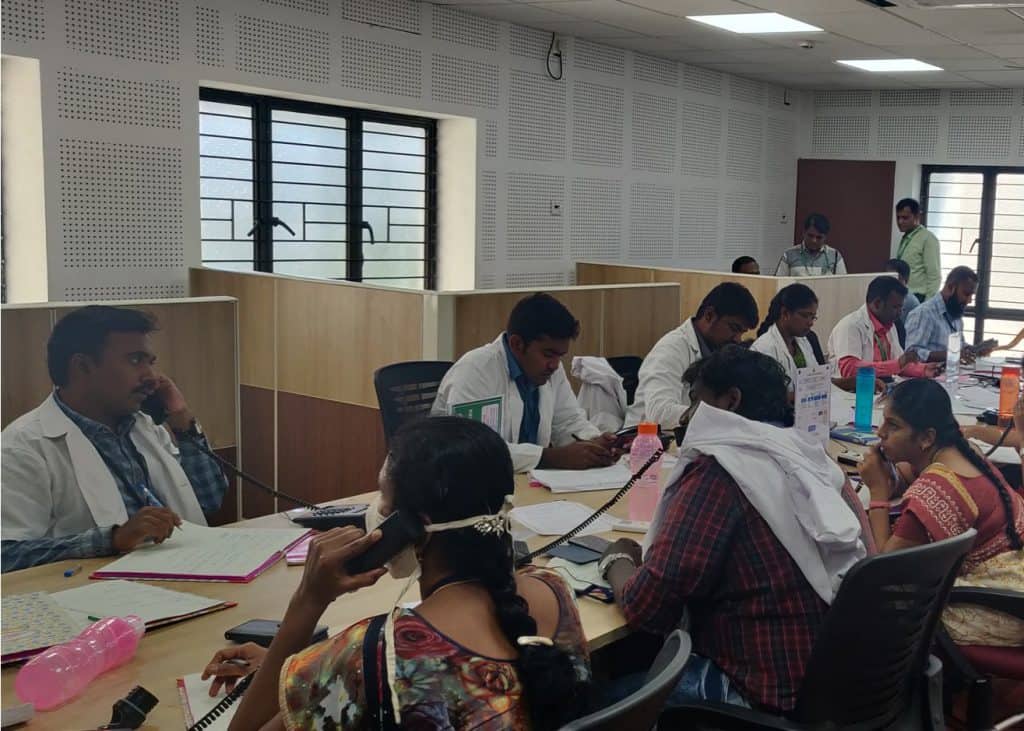
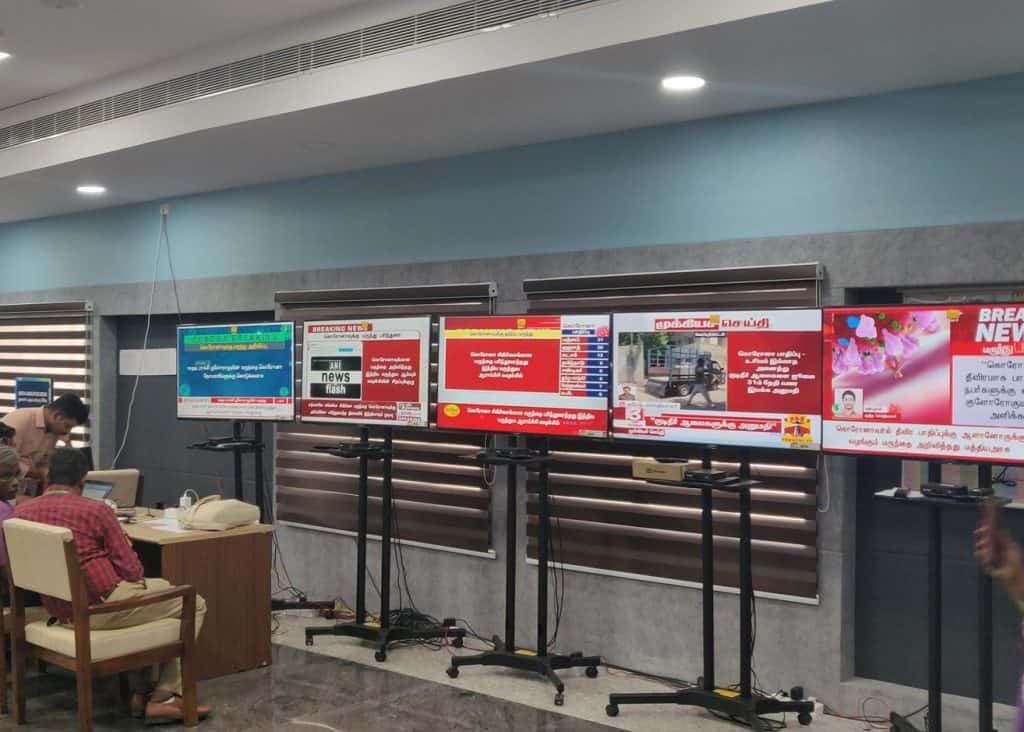
The State Government has setup a 150 personnel Control room to track the Covid Pandemic

TN State Control Room. Image Source: Twitter Emergency Operations. Image Source: Twitter 150 plus health workers manning the operations. Image Source: Twitter 
Personnel Tracking Breaking News. Image Source: Twitter
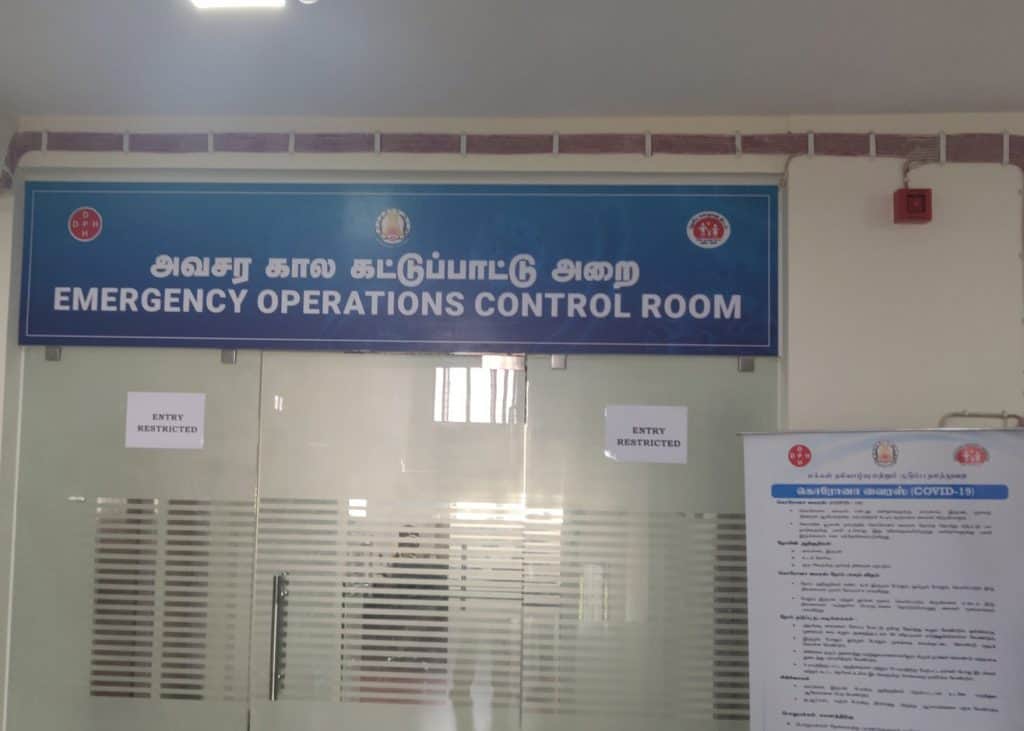
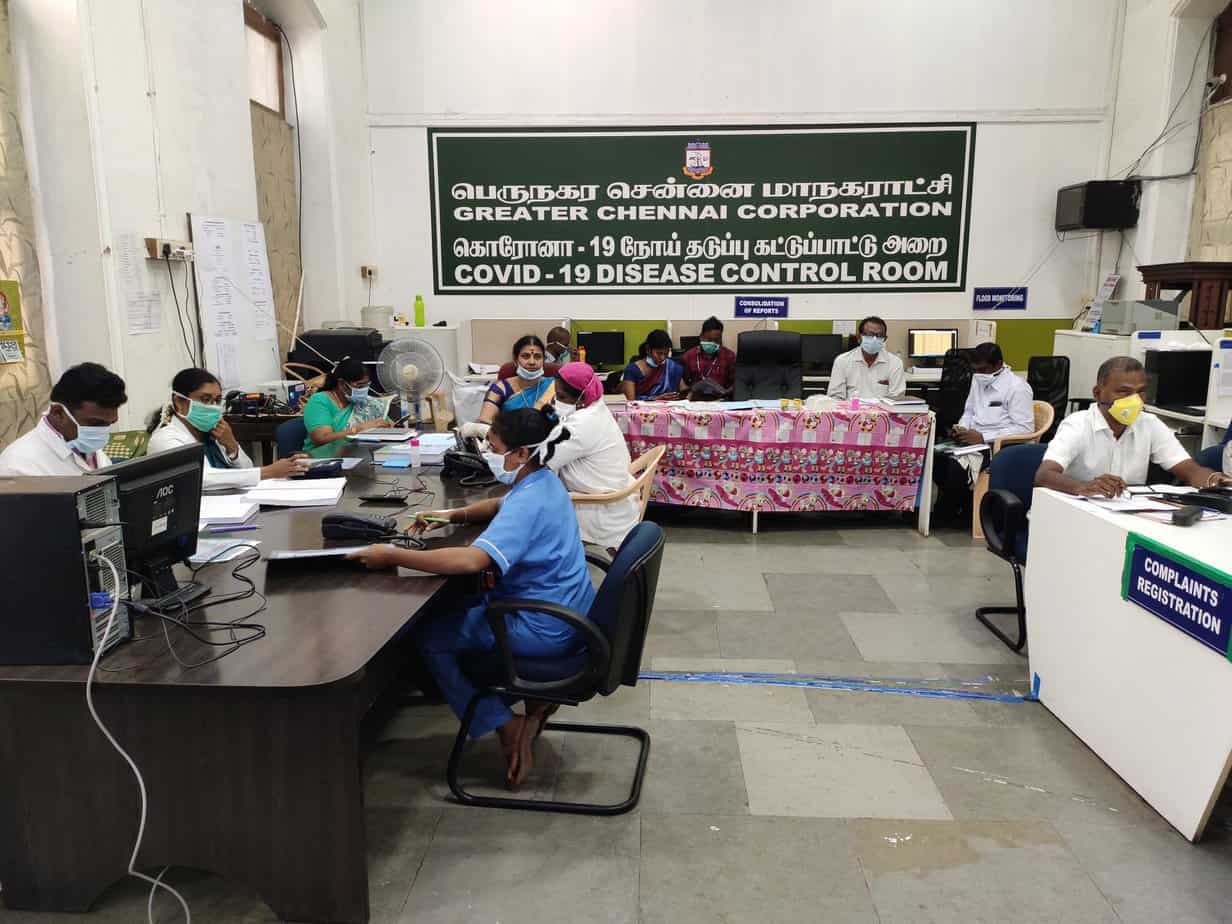
Last week, the Chennai Corporation made multiple efforts to sanitise the city before and during the curfew. The Chennai Corporation is also setting up a control room to help and manage the city during this pandemic.
Dr Alby John Varghese, Regional Deputy Commissioner (South) of Chennai Corporation had shared some of the sanitisation work carried out by the Corporation
Disinfection in progress at Ranganathan street in T.nagar to prevent #CoronavirusOutbreak #Chennai #StaySafeStayHome pic.twitter.com/tyWOh2Lsvu
— Purushottam Reddy (@puruam) March 18, 2020
In order to facilitate social distancing, Chennai Corporation has proposed pasting of stickers outside the houses of people under home quarantine, which will also alert other visitors.
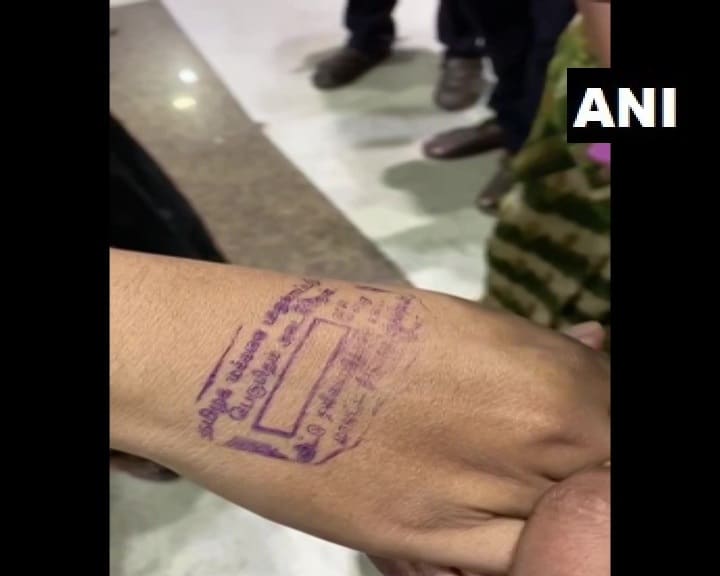
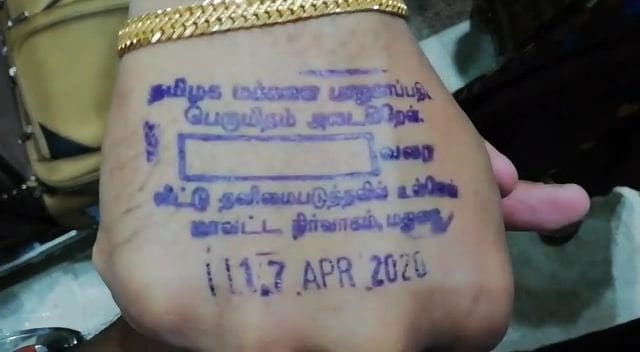
Following in the footsteps of Maharashtra and Karnataka, Tamil Nadu has also started stamping quarantined citizens on the back of their palm.

Quarantine Stamp on Indian Passenger who arrived in Madurai 
Quarantine Stamp. Source: Twitter