“Why did you pursue a master’s degree in Chemistry, if you eventually wanted to become a journalist?” This is a constant inquiry when my educational background comes up in conversations. My response is to share the story of my career journey, independence and personal freedom.
I hail from Pune where I was born and raised within a close-knit, supportive family. From a young age, I enjoyed the freedom to express myself and explore diverse ideas. Driven by curiosity and self-confidence, I always knew I could achieve more in life.
However, throughout my school years, I didn’t have a clear career goal or path. In school, I had chosen the ‘science’ stream, thinking that it would provide flexibility to switch to other courses like arts or commerce if I wanted to, but it was not vice versa.
I chose science, but despite this, I did not want to take up medicine or engineering as is the usual norm. If I wasn’t passionate about it, then I did not want to stress myself over it. So, I eventually opted for a BSc with major in Chemistry. I followed it with a master’s degree because “you won’t get a good job without a master’s degree,” said peer pressure.
I completed my master’s degree, and entered the corporate world as a subject matter expert in chemistry, working the conventional 9-6 routine with a science journal. A month into this role, I had an epiphany. The prospect of spending my entire life in this manner, followed by marriage and family, didn’t resonate with my aspirations. I yearned for something more.
As I explored other fields, I found that I was intrigued by journalism’s power to convey stories through words. I realised it was a profession where I could be myself and bring about meaningful societal change.
Read more: Career Conundrum in 12th grade
Transitioning wasn’t easy. Leaving everything behind and shifting careers demanded courage and resolve. My first taste of true independence was the ability to contemplate and plan a transformative career decision, a privilege not accessible to everyone, especially women.
I embarked on a journey to Mumbai, an unfamiliar city, lived in a hostel, completed a journalism course, and thus started a new chapter in my life. I entered the world of newspaper reporting, covering diverse topics like civic issues, environment, climate, transport, and even crime.
Feeling empowered
This newfound freedom empowered me, introducing me to people and places beyond my wildest dreams. Following a year of breaking daily news stories, I now contribute to a long-form news feature website. This platform affords me the time and resources to delve into the intricate stories of Mumbai.
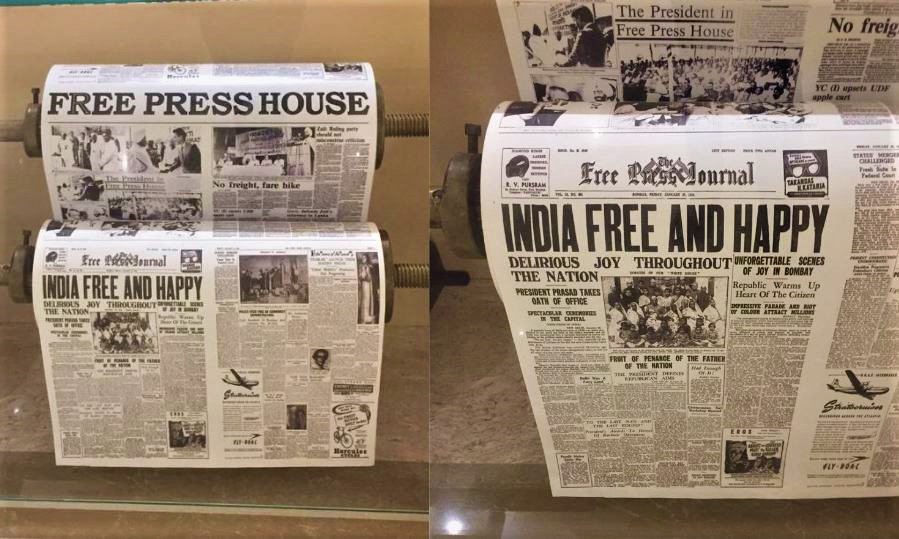
For me, a deep connection exists with the underprivileged, persecuted, weak, underdogs, and bullied individuals. As a journalist, I find fulfillment in raising the voices of the marginalised, and granting them a platform to share their stories. Moreover, my inclination for community, environment and other forms of stories which are less-discussed in the mainstream media but need to be spoken about, keeps increasing day by day. This pursuit brings me joy and a sense of personal liberty.
The path of self-discovery and passion is a life-long journey that will eventually see more changes in the future. However, the independence of pursuing what I love, supported by my family, allowed me to embrace it and make a viable living from it.
For me, independence involves envisioning a choice, having the necessary environment to realise it, and living it every single day.