Some years back, a couple of low intensity bombs ripped through the Tirumani railway station near Chengalpet, causing substantial damage to the station master’s room. The authorities came to know that another one was ticking somewhere in the vicinity and called in the Railway Protection Force (RPF) and Bomb Disposal Squad to handle the situation.
Within minutes, Brooks, a male Labrador, jumped into action. The station was evacuated. Brooks sniffed around the station frantically before sitting down unexpectedly. It was a hint for his master A R R Ravi, an RPF official. Brooks had located the third bomb and it was defused in a fraction of seconds.
It has been two decades since then, yet Ravi, now a retired RPF inspector, recalls the incident with much pride and fondness. Brooks belonged to the dog kennel maintained by the Railway Protection Force (RPF), Southern Railways.
In another incident, overhead cables near the Avadi Railway station had been stolen. It took less than half an hour for Charlie, a three-year-old Doberman to find it. “Charlie sniffed the copper of the existing cables and took us to the bushes where they (the stolen cables) were found,” says M Sakhtivel, head constable, Southern Railway RPF.
From locating hidden explosives to solving cases of murder and robbery, the 14-member dog squad has hundreds of heroic tales to take pride in. Chennai’s 30-year-old dog squad is one of the most famous in the country and has won several laurels for the department on many occasions.
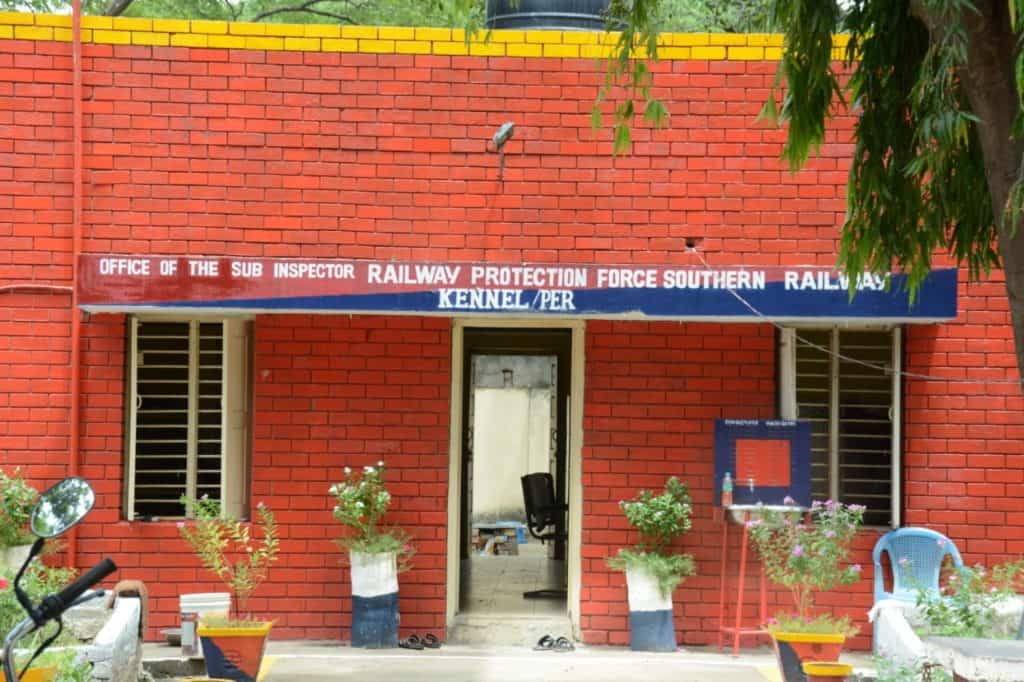
What do their days look like now?
The three dog kennels located at Perambur, Tambaram and ICF are inhabited by 14 dogs of three breeds — Doberman, Labrador and Belgian Malinois. While Labrador and Belgian Malinois are used as snifferdogs to locate bombs and drugs, Doberman are tracker dogs, shrewd at cracking robbery and murder cases.
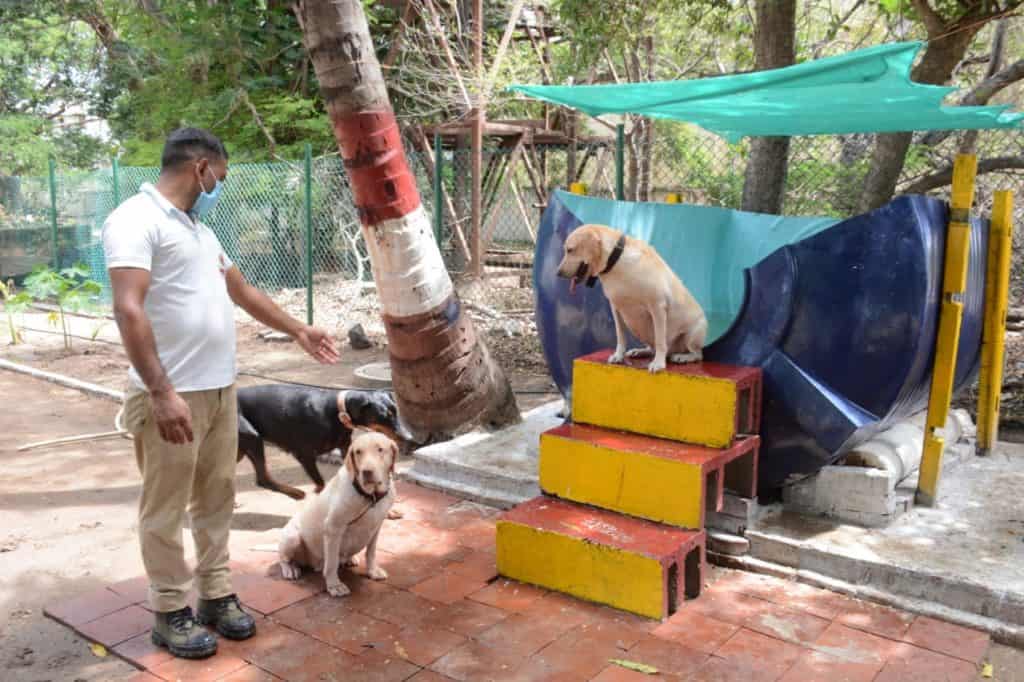
Their days are packed with back-to-back training. “Every dog gets a sponge bath in the morning. They are taught to jump, heel walk and identify explosive materials,” says Sakhtivel.
Here are a few captures of their regular training and recreation:
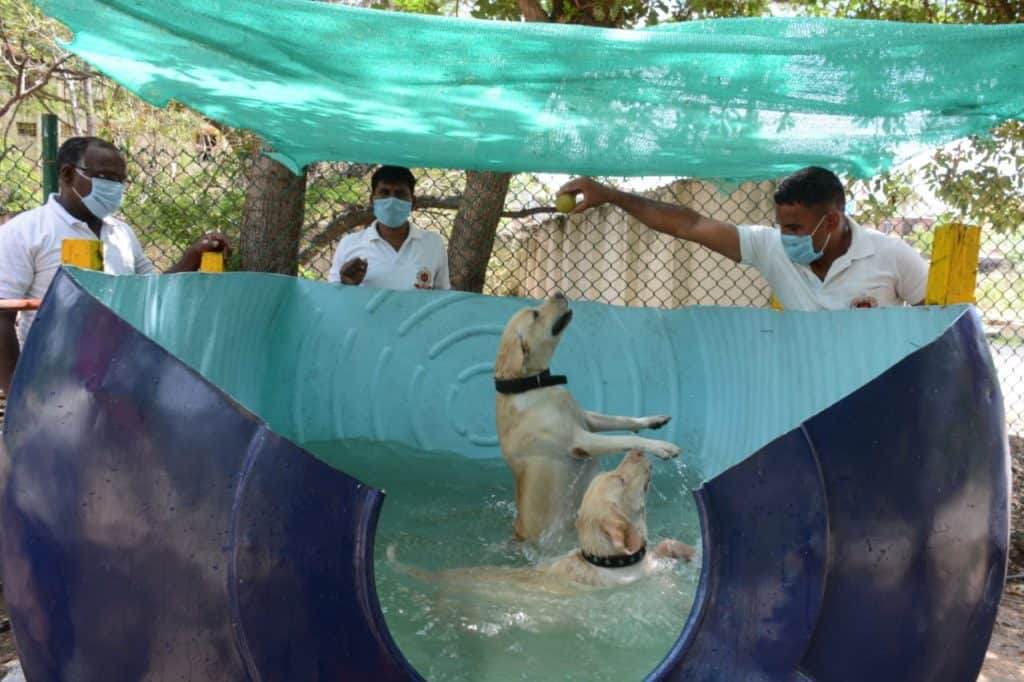
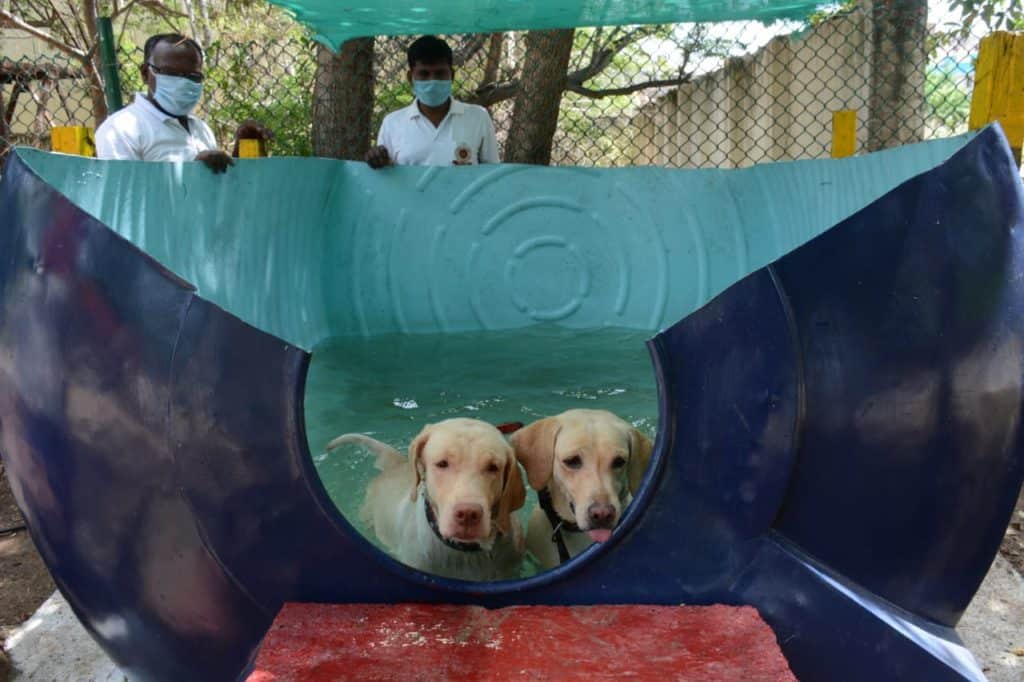
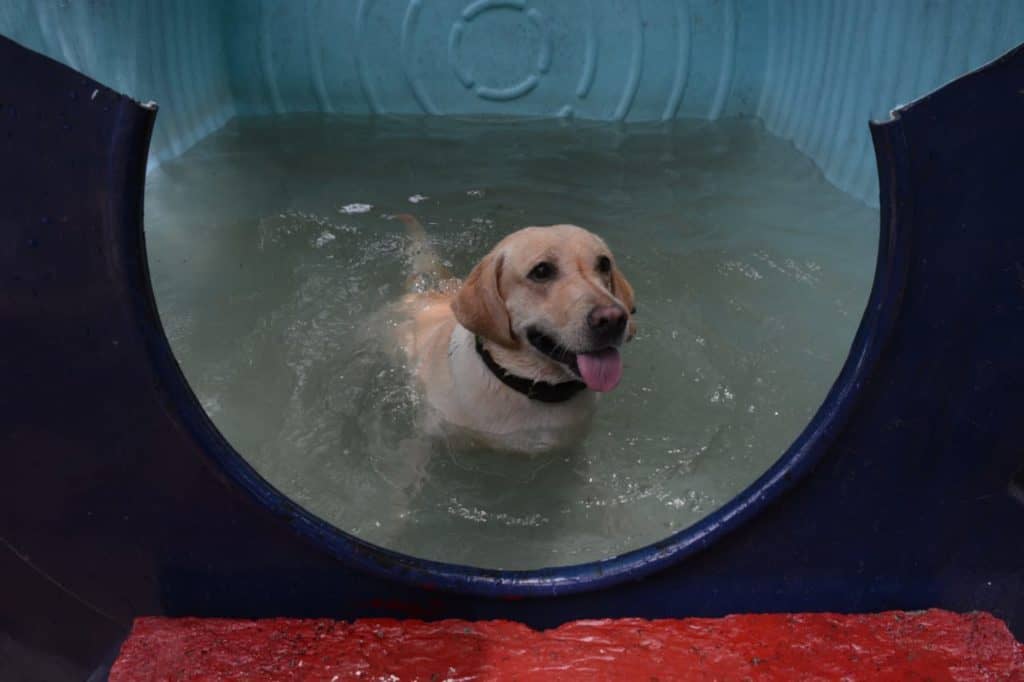
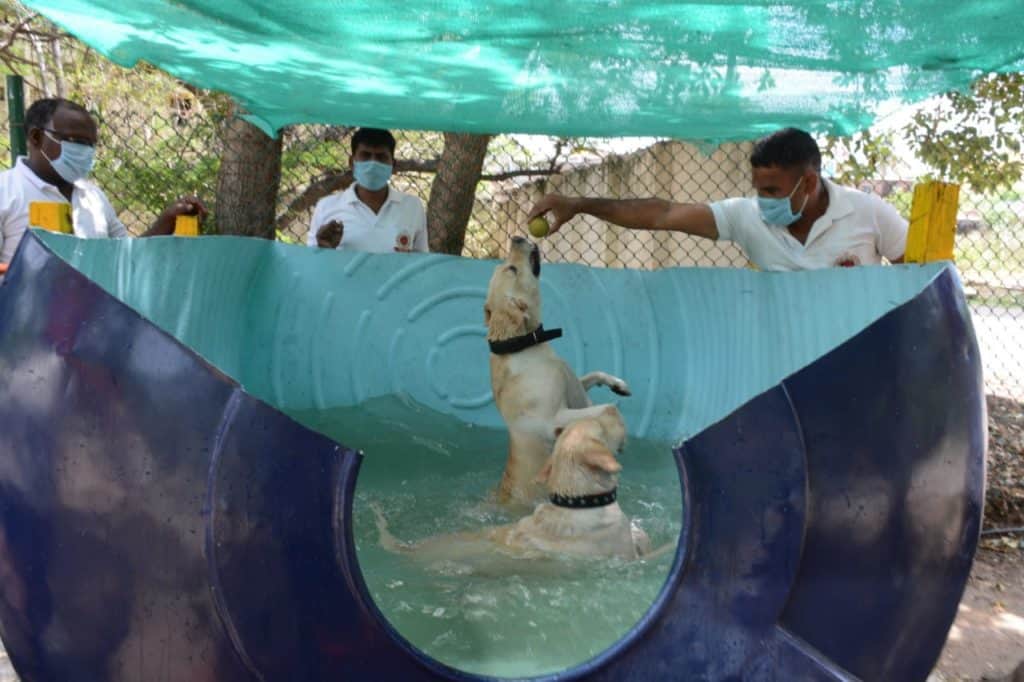
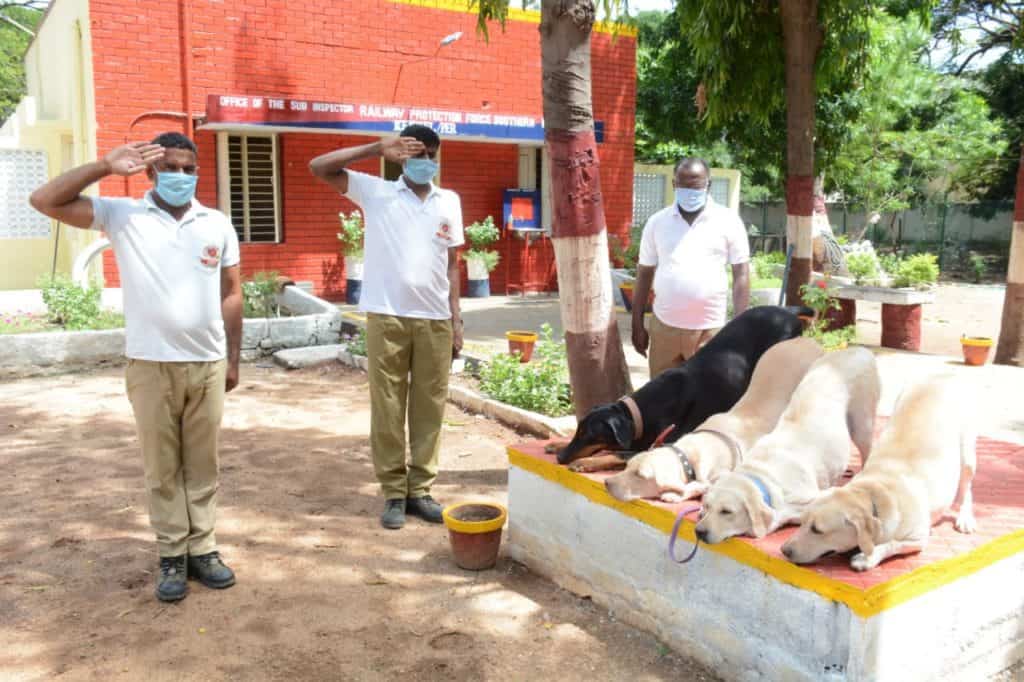
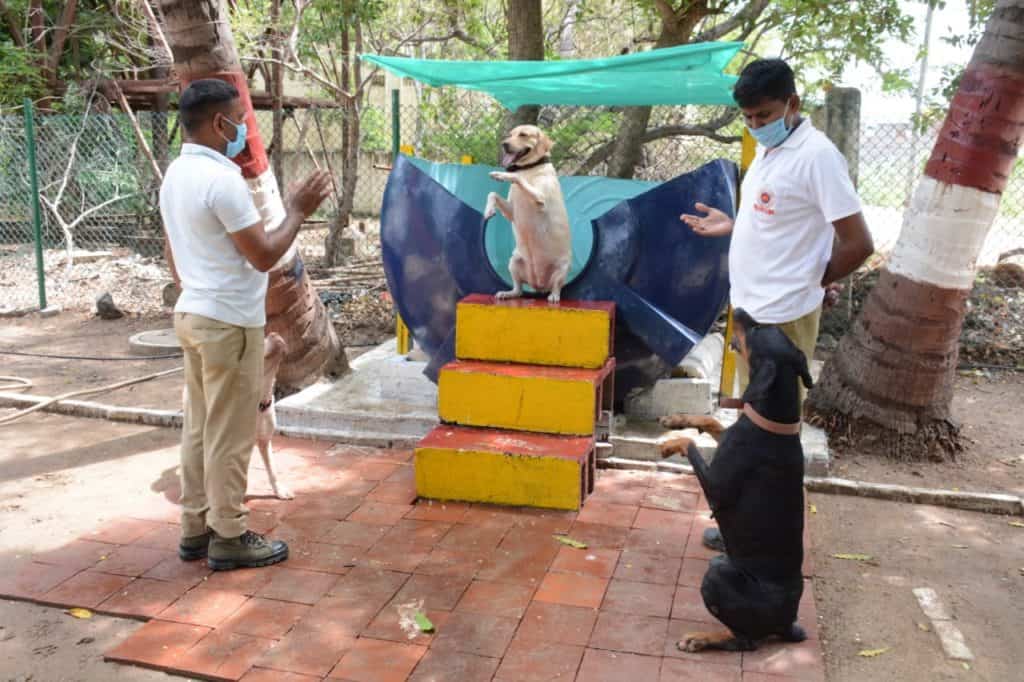
The four-legged members of the department have been jobless since the start of the lockdown in March. However, to keep them busy, the RPF officials have escalated their training by including activities such as swimming and hunting.
“We are taking up only emergency cases. And, as the railways are not operational at present, there is not much of work. A few hours of intense training makes the canines joyful,” adds Sakthivel.
“We monitor their temperatures every day. It is important to not skip their activities as it will affect the performance of the squad,” explains Sakthivel.
It is this discipline and practice that has made the canine squad exemplary.