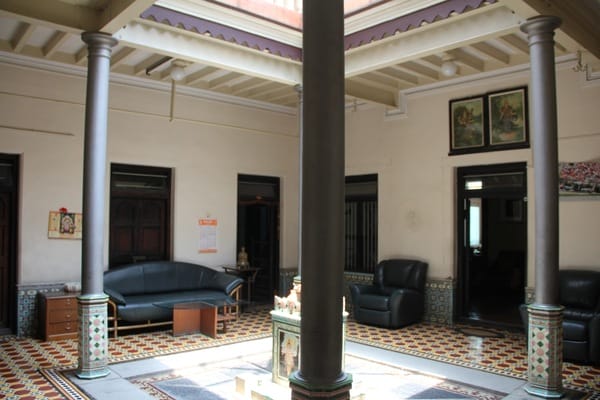
Srinivasa Mahal, Winner – Private (Residential) category
Commemorating World Heritage Day, INTACH Bengaluru announced the winners of the city’s first Heritage Awards. The winners were selected from amongst 50 nominations that were received from the public in two categories, government-owned and private buildings. The selection was made by an eminent jury comprising former UNESCO Ambassador Chiranjivi Singh, senior archaeologist Dr SVP Halakatti and the young and accomplished architect Anup Naik.
Based on the diversity of entries, it was decided to give awards to buildings in three categories: Public, Residential (Private) and Institutional (Private). Some of the parameters the jury considered were the maintenance, architectural integrity and value, value to the cityscape and so on. The selection was difficult and in some categories, the jury was compelled to give more than one prize.
Winners in the Public category
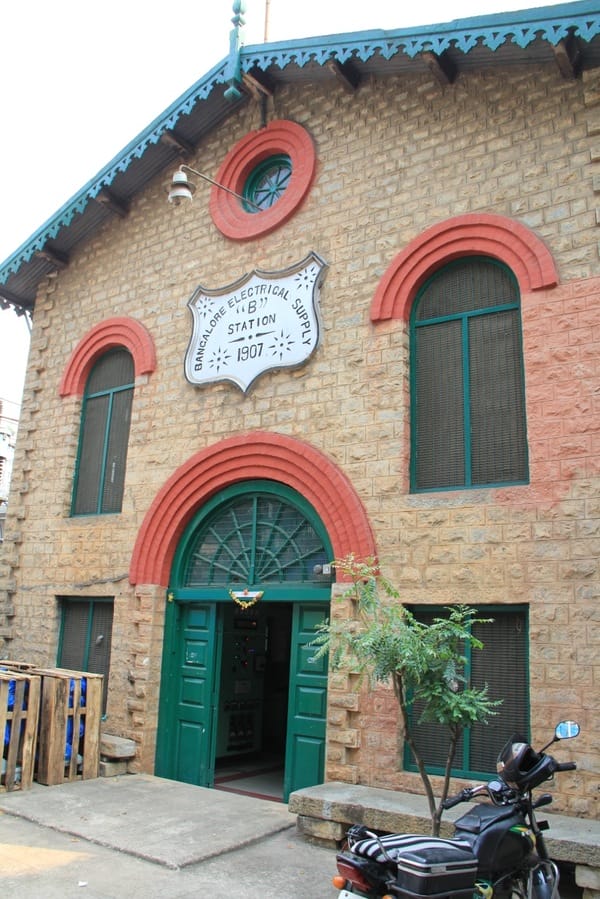
‘B’ station, Winner – Public category
‘B’ Station: For its historical value and its link with a major city event (electrification of the city), its functional continuity and its architectural integrity.
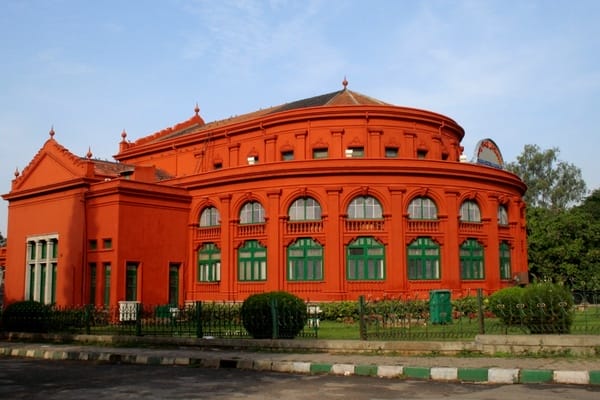
Seshadri Iyer Memorial Hall, Winner – Public category
Seshadri Iyer Memorial Hall, housing the State Central Library: For its architectural integrity, historical setting, and as an example of a colonial style of architecture with many elements of a local Mysore style of architecture.
The jury felt that Tipu Sultan’s Fort and Palace stood unique in their own separate category and were best considered as one complex. Accordingly, they decided to give a Special Award to the Fort and Palace complex, for being among the surviving historic monuments of Bangalore, for being well maintained in their surroundings and also for the distinctive wooden architecture of the palace.
Winners in the Residential (Private) category
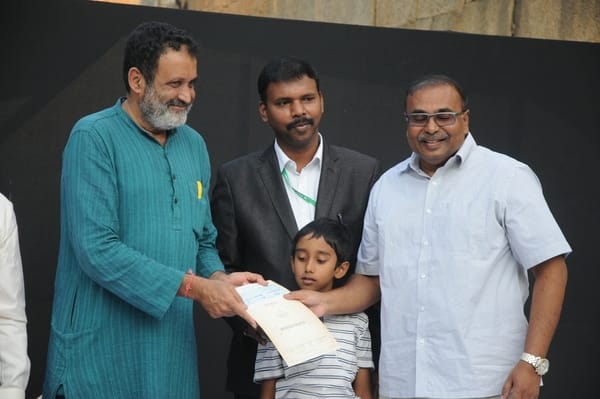
SVS Gupta and his son receive the award for the Private (Residential) category
Srinivas Mahal, Vasavi Temple Road, Basavanagudi, owned by SVS Gupta: For being a living example of a synthesis of various styles of architecture, for its maintenance, for its high quality of craftsmanship, and for how the owner has maintained its architectural intent.
Perfect Peace, Inner Circle, Whitefield, owned by Paul D’Souza: For maintaining the architectural intent, for its maintenance, and for being a good example of colonial architecture in Whitefield.
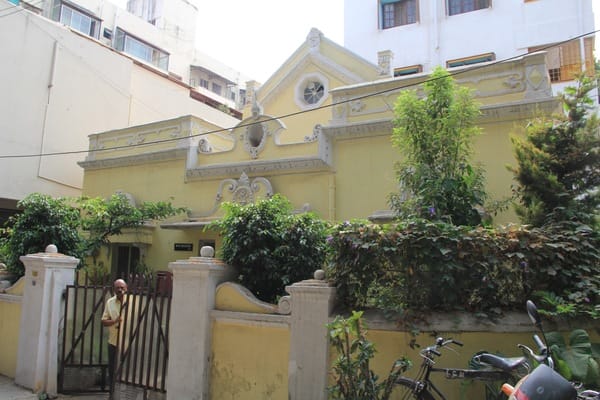
Special Mention Award to Umapathi Dharmalingam for his bungalow on Kenchappa Road, Fraser Town
A Special Mention Award is given to a bungalow on Kenchappa Road, Fraser Town, owned by Umpathi Dharmalingam, for being an example of architecture characteristic of a part of the cantonment, for maintaining the original elements of the house and for resisting the pressure to change, despite change all around!
Winner in the Residential (Institutional) category
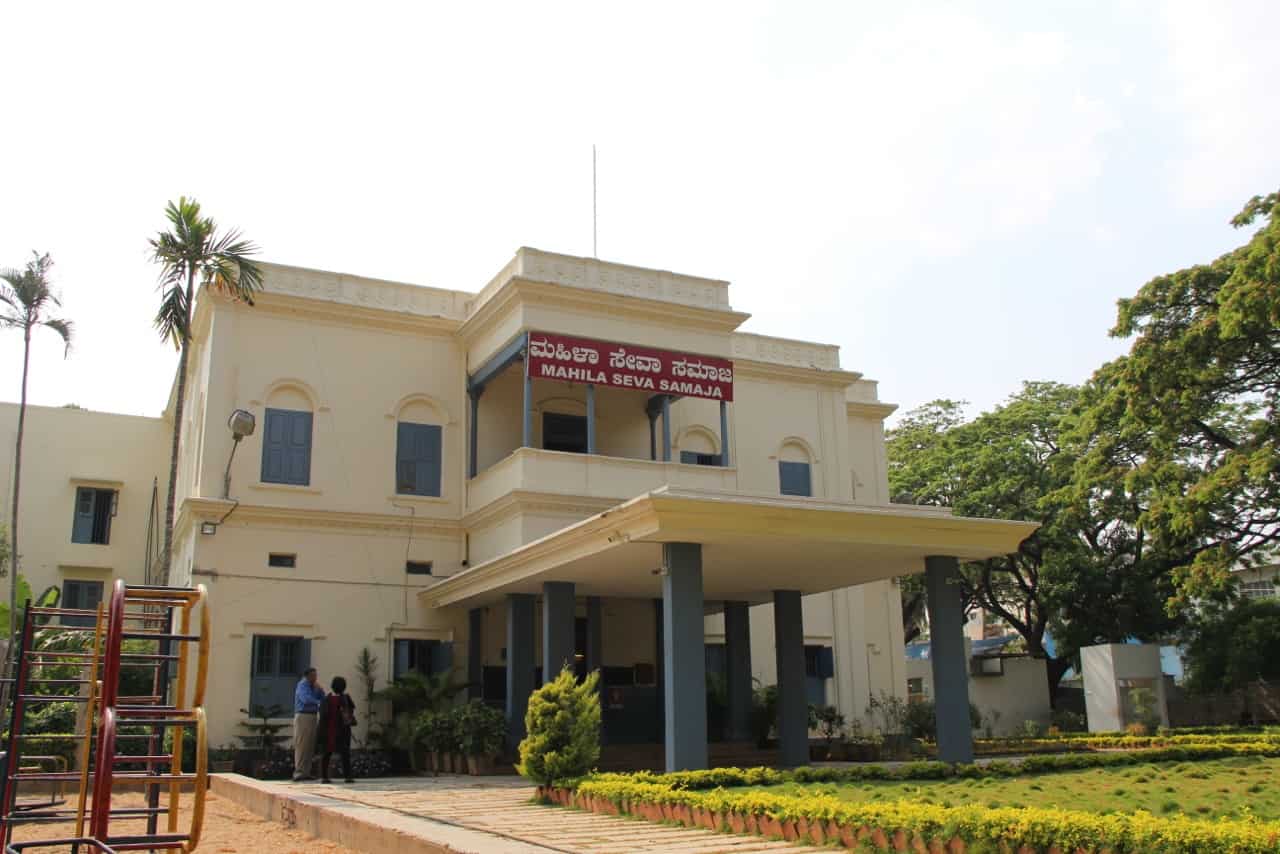
Mahila Sewa Samaja, Winner – Private (institutional) category
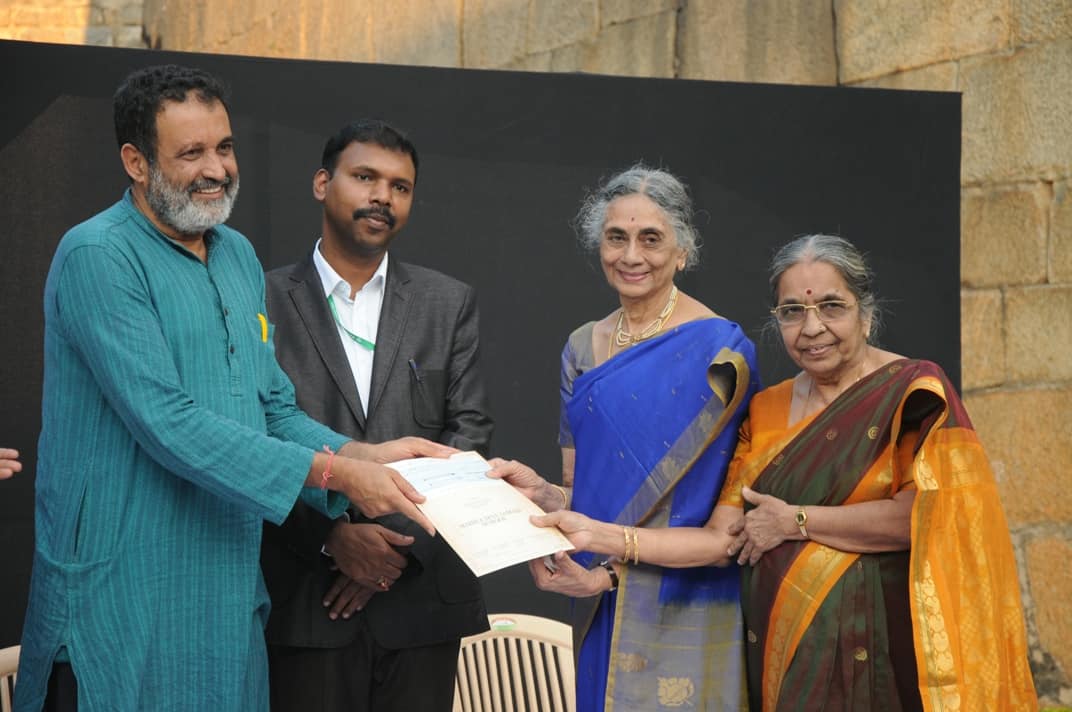
Vice President and President of the Mahila Sewa Samaja receving the award for Private (institutional) category
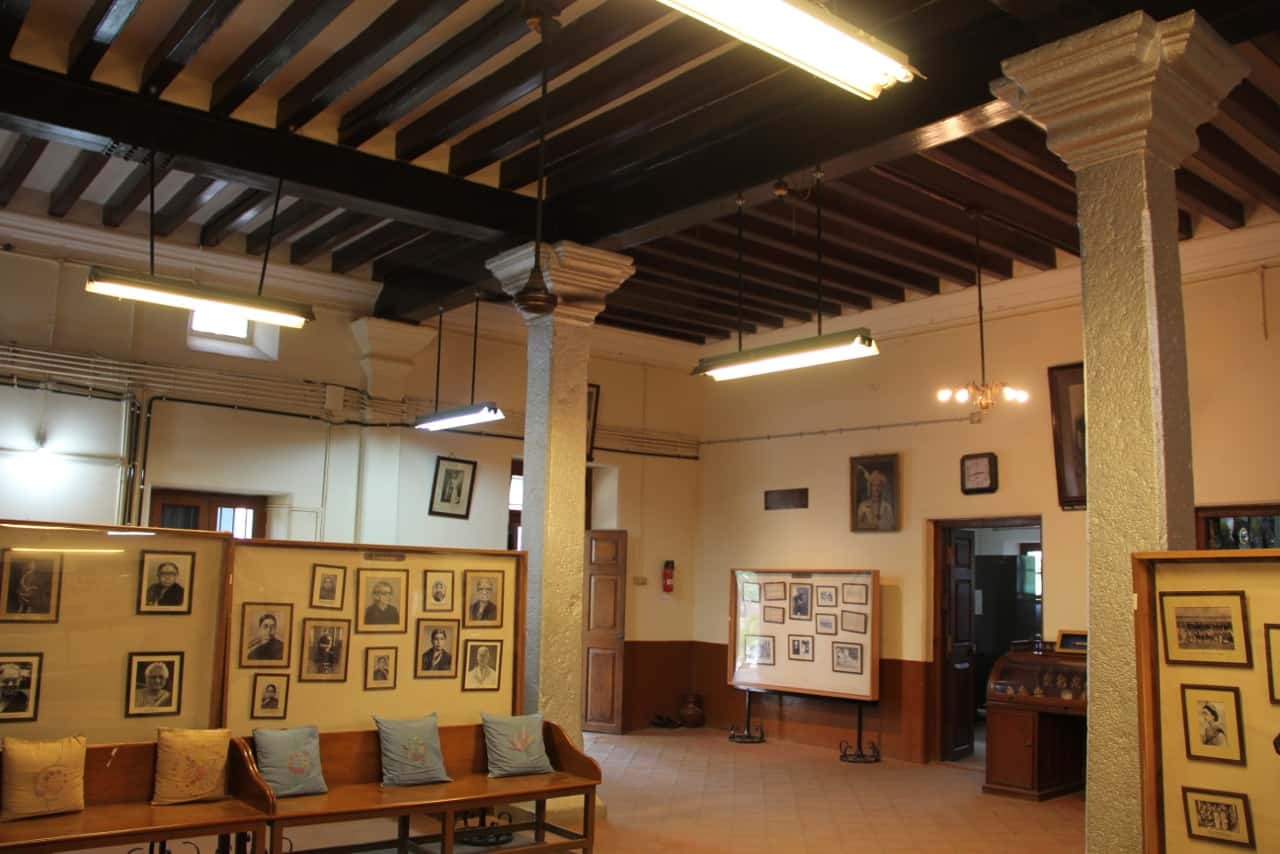
Mahila Sewa Samaja, Winner – Private (institutional) category
$(document).ready(function(){ $(‘.carousel .carousel-inner .item’).first().attr(‘class’, ‘active item’);});
The winner in the Institutional (Private) category is the Mahila Seva Samaj building, for maintaining its continuity into the present, for its architecture which symbolises a particular time period and use, and for its powerful associative value.
The INTACH Heritage Awards 2015 were partly sponsored by Good Earth Eco Futures Private Limited.