Picture this. You could sell your paper waste for the highest market rate; contact local scrap dealers and sell your discarded plastic containers, unused bags and slippers and even buy compost at dirt cheap rates. All online.
Waste management and recycling in the city just got easier with the launch of India’s first web portal-cum-mobile application for waste trading, called Madras Waste Exchange . On December 3 2019, Greater Chennai Corporation (GCC) Commissioner, G Prakash inaugurated the website that is developed under the Smart City Mission.
Three weeks after the launch, Citizen Matters Chennai spoke to Azhagu Pandiaraja M P, Research Fellow, Smart City Mission, who along with two others created the Madras Waste Exchange. His team is working on creating high-impact solutions for urban challenges.
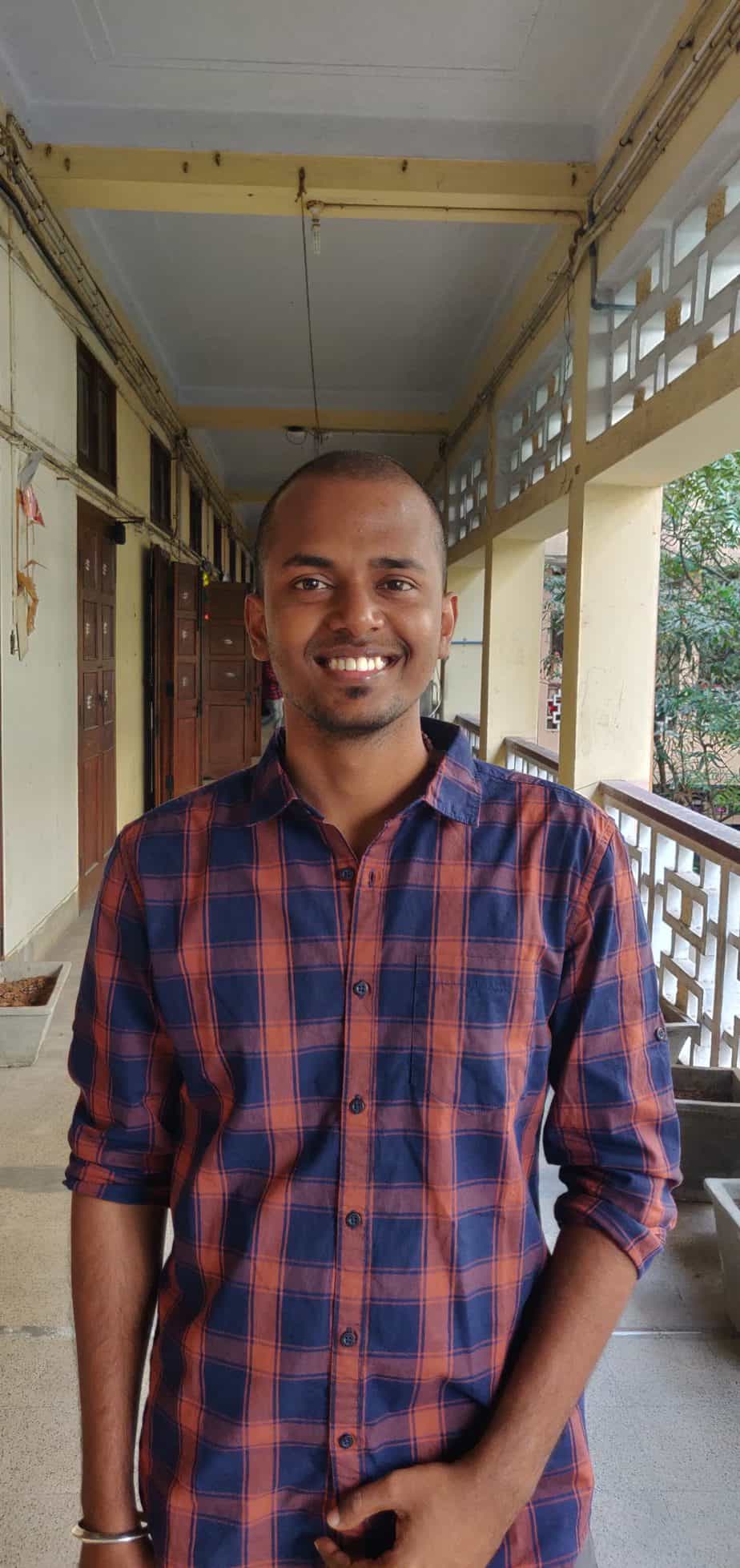
Azhagu Pandiaraja M P, Research Fellow, Smart City Mission
What is Madras Waste Exchange all about?
Chennai generates around 5000 metric tonnes of waste everyday. While the efforts to compost wet waste has met with some degree of success, recycling and reusing dry waste is a big challenge, mainly due to the lack of information. Dry waste such as bags, slippers and cloth items hold less value. Recyclers show interest only if the volume is huge. By registering on the website, recyclers can know about the availability and volume of dry waste by the click of a button.
How do recyclers usually do business?
Resource Recovery Centres (where waste is segregated by GCC) and bulk waste generators (such as apartments, hotels and educational institutions) are the highest generators of dry waste. Recyclers call the recovery centres to check if the volume of dry waste works out for them. It is a Herculean task, because the recyclers have to seek permission to access the centres and get information about quantum of waste available. The arduousness of the process has stopped many from venturing into the recycling business.
What are the key features of Madras Waste Exchange?
Citizens can buy manure directly from GCC’s Micro Composting Centres (MCC). Buyers can bid for the dry waste online. The website works both ways: it connects GCC and recyclers on one hand, and citizens and recyclers on the other. We have also geo-tagged the Resource Recovery Centres (RRC), making it easy for recyclers to know about the quantity and type of waste.
We are planning to bring in all scrap dealers on the platform, so that they can learn about the availability of dry waste online. The website is now accessible to both buyers and sellers, whereas only buyers can use the mobile application.
Why not add sellers in the mobile application, too?
Yes, it can be done. It is a pilot project that will be improved, based on the feedback.
|
Check out how dry waste is sold on the Madras Waste Exchange Sellers have to register on the exchange by providing their location, after which a One Time Password (OTP) will be generated. Once logged in, they put up the amount of dry waste available, which can be viewed by the buyers. Interested buyers would bid for the waste. Sellers have the option to accept or deny the bid. Check out the video below: https://youtu.be/9K_PrjBpPtE
|
How has the response been so far?
It is fascinating. Around 800 buyers and 300 sellers have registered in the past three weeks. GCC has geo-tagged 220 RRCs and MCCs in Chennai. It will take three to four months to stabilise. Trash is a growing field; a lot of entrepreneurs are showing interest after we enabled this ecosystem for a trash-based economy. For example, we are receiving a lot of enquiries on flower waste.
Are temples registered on Madras Waste Exchange?
Not yet. But educational institutions are showing interest. One school has registered when I saw last, a week ago.
Are there any plans to expand the initiative?
Yes. There is a plan to expand it to the state level, with dedicated call centres for all stakeholders. We would also be launching the Tamil version soon.
What is that one pertinent feature of Madras Waste Exchange that you feel will make it a success?
Extended Producer Responsibility is mandatory under Solid Waste Management Rules, 2016. However, it is often not implemented due to the lack of information. Madras Waste Exchange will be a reliable platform for manufacturers to follow the rule.
Did you face any challenges while setting up the exchange?
Finding teams open to volunteering was difficult. I would like to thank Thought works, Tech for Cities, Sudharsha, Mr Cooper and many freelancers who made Madras Waste Exchange a reality.
How do you plan on publicising it?
The platform requires GCC’s support till it is mature enough to run on its own. The civic body has planned meetings with Resident Welfare Associations, scrap dealers and Recyclers to create awareness.
I have downloaded the app. But I can only see buying option. How to join as a seller.